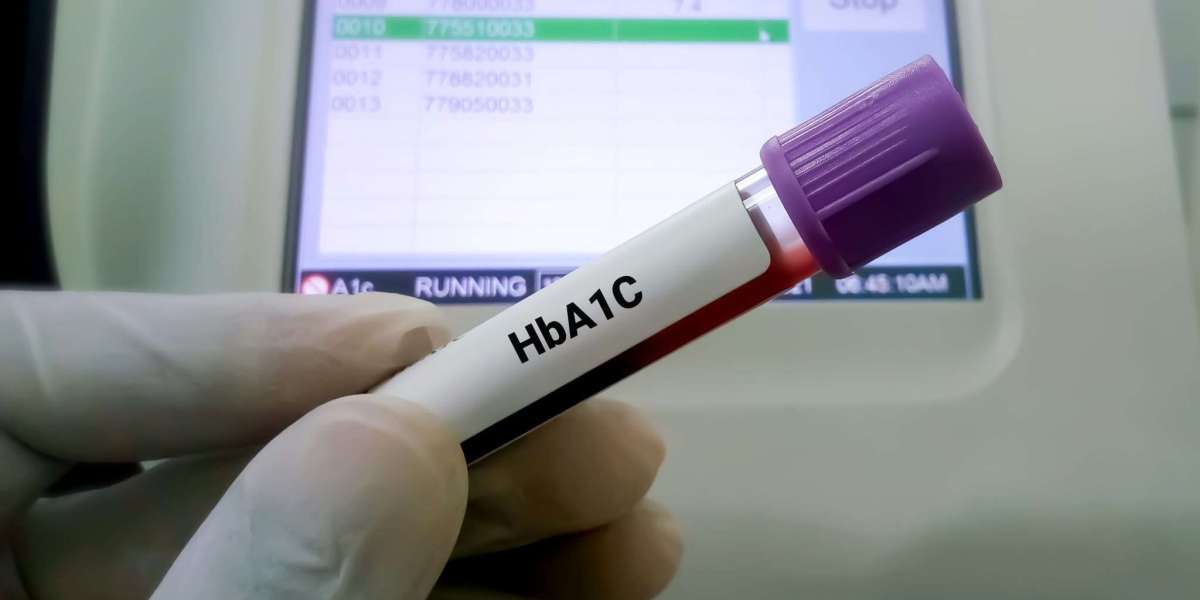

The hemoglobin electrophoresis test is a reliable and widely used laboratory method for detecting many abnormal hemoglobin types and investigating inherited blood disorders. It can help identify conditions such as sickle cell disease, sickle cell trait, beta thalassemia, and certain other hemoglobin variants.
However, no single hemoglobin test detects every blood disorder with complete accuracy. The reliability of the result depends on the condition being investigated, the laboratory technique, the quality of the sample, and the patient's medical history.
For example, Hemoglobin Electrophoresis Test in Dubai can identify many common abnormal hemoglobin patterns, but some forms of alpha thalassemia may not be visible through routine hemoglobin analysis. Recent blood transfusions can also affect the results.
Understanding what the test can and cannot detect is essential before using the report to make decisions about diagnosis, treatment, or family planning.
What Makes Hemoglobin Electrophoresis an Important Diagnostic Test?
Hemoglobin is the oxygen-carrying protein inside red blood cells. Most healthy adults have predominantly hemoglobin A (HbA), along with smaller amounts of other normal hemoglobin types.
Inherited changes in the genes responsible for hemoglobin production can cause abnormal hemoglobin variants or affect the amount of hemoglobin produced.
Hemoglobin electrophoresis separates different hemoglobin types so a laboratory can identify and measure them. Depending on the method, the report may include:
HbA: The main hemoglobin type in most healthy adults.
HbA2: A minor adult hemoglobin fraction that can be increased in beta thalassemia trait.
HbF: Fetal hemoglobin, which normally decreases after birth.
HbS: The variant associated with sickle cell trait and sickle cell disease.
HbC and HbE: Other inherited hemoglobin variants.
The pattern and relative percentages of these fractions help healthcare professionals investigate hemoglobin disorders and determine whether further testing is needed.
Accuracy Depends on the Condition Being Investigated:
A useful way to evaluate this test is to consider which disorders it can identify and where additional investigations may be necessary.
| Blood disorder or finding | What hemoglobin analysis can reveal | Important limitation |
|---|---|---|
| Sickle cell disease | Detects HbS and other hemoglobin fractions that help identify characteristic patterns | Some patterns require genetic or additional laboratory confirmation |
| Sickle cell trait | Usually identifies HbA and HbS in a characteristic pattern | Recent transfusion can affect the proportions |
| Beta thalassemia trait | May show increased HbA2 and sometimes increased HbF | Iron deficiency and borderline results can complicate interpretation |
| Alpha thalassemia trait | May sometimes identify certain associated findings | Common mild forms can have normal routine hemoglobin analysis |
| Hemoglobin C or E disorders | Can identify many cases by detecting the relevant variant | Some variants require a second method for confirmation |
| Increased fetal hemoglobin | Measures HbF levels using suitable laboratory methods | The cause of increased HbF cannot be determined from the percentage alone |
This distinction matters because a test may be highly useful for one condition but less informative for another.
The American College of Obstetricians and Gynecologists notes that hemoglobin electrophoresis cannot identify alpha thalassemia trait in all cases and that molecular genetic testing may be required.
Five Factors That Can Affect Test Accuracy:
Even when a laboratory uses an established method, several factors can influence the interpretation of hemoglobin electrophoresis results.
1. The Laboratory Testing Method
Traditional electrophoresis is not the only method used for hemoglobin analysis. Laboratories may also use:
High-performance liquid chromatography (HPLC)
Capillary electrophoresis
Isoelectric focusing
Other specialized hemoglobin identification techniques
Each method has advantages and limitations. HPLC and capillary electrophoresis can provide useful measurements of hemoglobin fractions, but some variants may produce overlapping patterns or require confirmation using another technique.
For this reason, laboratories may combine complementary methods to improve identification and reduce the possibility of misinterpretation.
2. Recent Blood Transfusions
A blood transfusion can introduce donor red blood cells containing different hemoglobin types.
As a result, a patient's hemoglobin analysis may show fractions that do not represent their usual inherited hemoglobin pattern. A transfusion can also mask an existing abnormality.
Always tell your healthcare professional and laboratory if you have received a recent blood transfusion. The appropriate timing for repeat testing depends on the clinical situation and laboratory advice.
3. Iron Deficiency
Iron deficiency can complicate the interpretation of suspected beta thalassemia trait.
In some individuals, iron deficiency may reduce HbA2 levels and make a typical beta thalassemia pattern less obvious. This is one reason doctors may request ferritin and other iron studies alongside a CBC and hemoglobin analysis.
The results should be interpreted together rather than treating one HbA2 value as a definitive diagnosis.
4. Age at the Time of Testing
Hemoglobin patterns change during early childhood.
HbF is the dominant hemoglobin before birth and gradually decreases after delivery as adult hemoglobin becomes more prominent. Therefore, results from a newborn or infant must be interpreted using age-appropriate reference information.
A pattern that is expected in a newborn may be unusual in an adult.
5. The Type of Hemoglobin Variant
Some hemoglobin variants are difficult to distinguish using a single laboratory technique. Different variants may produce similar migration patterns or overlapping peaks during analysis.
When a result is unclear, the laboratory may recommend another separation method, specialized testing, or genetic analysis.
When a Normal Result Does Not Tell the Whole Story?
A normal hemoglobin electrophoresis result is reassuring, but it does not rule out every inherited blood disorder.
One important example is alpha thalassemia trait. People with certain alpha-globin gene deletions may have small red blood cells and low MCV values while their routine hemoglobin analysis appears normal.
If a person has persistent microcytosis, a family history of thalassemia, or unexplained anemia despite a normal hemoglobin pattern, further investigation may be appropriate.
Depending on the findings, a doctor may recommend:
Complete blood count (CBC)
Mean corpuscular volume (MCV) and mean corpuscular hemoglobin (MCH)
Serum ferritin and iron studies
Peripheral blood smear
Alpha-globin or beta-globin genetic testing
Repeat hemoglobin analysis using a complementary method
How Doctors Check Whether an Abnormal Result Is Correct
An abnormal hemoglobin electrophoresis result is usually evaluated as part of a wider diagnostic process.
Step 1: Review the complete blood count. Hemoglobin, RBC count, MCV, and MCH can reveal patterns associated with anemia or thalassemia.
Step 2: Examine the hemoglobin fractions. The doctor reviews HbA, HbA2, HbF, and any abnormal variants, considering the laboratory's reference intervals.
Step 3: Check iron status. Ferritin and other iron studies can help identify iron deficiency that may complicate interpretation.
Step 4: Consider personal and family history. Symptoms, previous diagnoses, transfusions, and inherited conditions in the family provide important context.
Step 5: Arrange confirmatory testing if needed. A second laboratory method or molecular genetic test may help establish the exact condition.
This approach reduces the risk of making a diagnosis based on a single percentage or an incomplete laboratory report.
Is Hemoglobin Electrophoresis Accurate Enough for Pregnancy Screening?
Hemoglobin analysis is an important part of screening for inherited blood disorders before or during pregnancy.
Identifying whether either parent carries a hemoglobin variant can help determine whether a baby may be at risk of inheriting a significant hemoglobin disorder.
However, a screening result should not be treated as a complete genetic assessment in every situation. If one parent is found to carry a clinically important variant, testing the other parent may be recommended.
When both partners carry relevant inherited changes, genetic counselling can explain the possible risks to their children and discuss available options.
Questions Patients Commonly Ask About Test Reliability:
Can hemoglobin electrophoresis give a false-negative result?
Yes. Some conditions, particularly common mild forms of alpha thalassemia, may not be detected by routine hemoglobin analysis. Recent transfusions and certain testing limitations can also affect results.
Can the test confirm sickle cell disease?
It can provide strong diagnostic evidence by identifying HbS and measuring other hemoglobin fractions. However, some patterns require additional laboratory or genetic testing to distinguish between different sickle cell genotypes.
Is HPLC more accurate than traditional electrophoresis?
Neither method is universally superior for every situation. HPLC provides quantitative measurements and useful separation of many hemoglobin fractions, while electrophoretic methods can help distinguish variants that may overlap with other techniques. Using complementary methods can improve confidence in the identification.
Does a normal result mean I cannot have thalassemia?
No. Some forms of alpha thalassemia may not produce an abnormal routine hemoglobin pattern. Persistent microcytosis or a relevant family history may justify further testing.
Should I repeat the test after a blood transfusion?
Possibly, but the timing should be decided by your healthcare professional and laboratory. Donor red blood cells can influence the result, so the transfusion history must be considered before interpreting the report.
Final Verdict: A Reliable Test, but Not a Complete Diagnosis on Its Own
Hemoglobin electrophoresis Lab tests is an important and generally reliable tool for detecting many abnormal hemoglobin variants and investigating inherited blood disorders. It is especially useful when evaluating conditions such as sickle cell disease, sickle cell trait, and beta thalassemia.
However, its accuracy depends on the condition, laboratory method, sample history, and interpretation of the complete clinical picture. Some disorders require additional blood tests or genetic analysis, even when the initial hemoglobin electrophoresis result appears normal.
If your report shows an abnormal result, or if your symptoms and CBC findings do not match a normal hemoglobin pattern, discuss further evaluation with your healthcare professional.