
Leadership in today's business environment requires more than experience, professional expertise, and the ability to make quick decisions. As organizations become increasingly interconnected, executives must understand the broader systems influencing their decisions, including governance structures, economic relationships, institutional responsibilities, and long-term strategic objectives.
For senior leaders, wealth advisors, entrepreneurs, and philanthropic organizations, understanding these interconnected elements can make a meaningful difference in how they approach complex challenges.
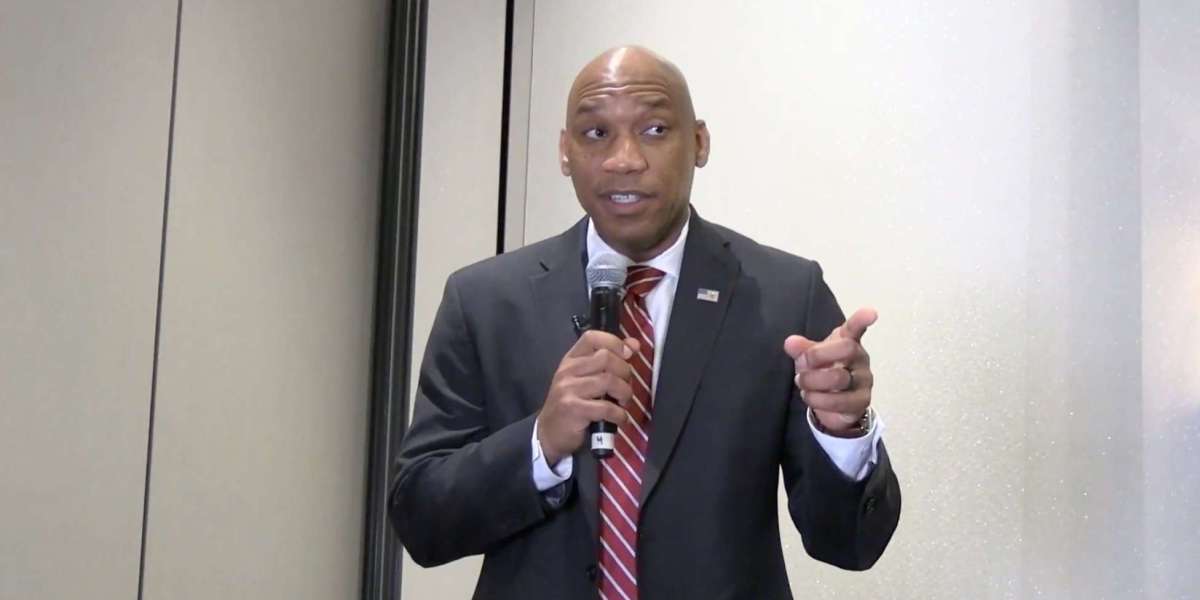
This is where Antomius Wise brings a distinctive perspective to executive education. As an institutional systems speaker, former NFL athlete, former U.S. Secret Service Special Agent, MBA graduate, and founder of WPSM.org, he focuses on helping decision-makers understand the structures behind leadership, economic influence, and institutional success.
His approach goes beyond conventional motivational speaking. It emphasizes the importance of developing structural awareness, asking better questions, and understanding how organizational systems influence long-term outcomes.
Why Modern Leaders Need a Different Approach to Executive Education
Traditional executive education often concentrates on management strategies, leadership development, communication, and organizational efficiency. While these subjects remain essential, today's institutional challenges frequently require a broader perspective.
An organization may have experienced leadership and strong financial resources but still encounter difficulties because of unclear governance, conflicting incentives, or poorly understood institutional responsibilities.
These challenges are not always visible during routine business operations. They can develop gradually through organizational decisions, relationships, and structural arrangements.
Antomius Wise emphasizes the importance of identifying these underlying factors before attempting to solve individual problems.
His educational philosophy encourages executives to examine how systems function, where decision-making authority resides, and how incentives influence organizational behavior.
This approach helps leaders move beyond surface-level observations and consider the architecture that supports their institutions.
The Value of Private Executive Briefings
Not every important leadership conversation belongs on a conference stage.
While public keynotes and industry events provide valuable opportunities to share ideas, certain institutional topics require a more focused environment. Governance, strategic philanthropy, family legacy education, and economic structures can involve sensitive considerations that benefit from smaller, more specialized discussions.
Antomius Wise addresses this need through private executive briefings designed for leadership teams, wealth-advisor networks, philanthropic organizations, and institutional decision-makers.
These sessions are structured conversations rather than standard presentations. Their purpose is to introduce relevant frameworks, encourage deeper thinking, and help participants understand complex subjects in the context of their professional environments.
Depending on the audience, discussions may explore:
Governance discipline and institutional accountability.
Strategic philanthropy and economic impact.
Incentive alignment and organizational structures.
Institutional thinking and decision-making.
Family legacy education and long-term planning.
The relationship between capital, mission, and sustainable impact.
Each engagement is adapted to the seniority, industry, and specific interests of the participants.
This creates an educational environment where leaders can examine important questions without the distractions often associated with larger public events.
An Advisor-Aligned Approach to Institutional Education
One important aspect of Antomius Wise's approach is the emphasis on complementing existing professional relationships.
Wealth advisors, tax professionals, attorneys, investment specialists, and fiduciary teams already play important roles in helping individuals and organizations navigate complex decisions.
Executive education should strengthen these relationships rather than create unnecessary competition or confusion.
For this reason, Antomius positions his private briefings as educational engagements rather than product presentations or sales opportunities.
The objective is to help participants develop a stronger understanding of governance, economic systems, charitable structures, and institutional considerations so they can engage more effectively with their existing professional advisors.
For wealth-management firms, trust networks, and family offices, this distinction is particularly relevant. Educational conversations can introduce broader perspectives while allowing established advisory professionals to continue serving their clients within their respective areas of expertise.
Strategic Philanthropy Requires More Than Good Intentions
Philanthropy has the potential to create meaningful economic and community impact. However, achieving sustainable results involves more than identifying worthy causes and making charitable contributions.
Effective strategic philanthropy also requires thoughtful consideration of governance, organizational structure, mission alignment, and long-term objectives.
Donors and philanthropic leaders must understand how resources are allocated, how organizations operate, and whether their initiatives are supported by structures capable of sustaining their intended impact.
Antomius Wise brings institutional thinking into these conversations by examining the relationship between charitable intent and the systems that support lasting outcomes.
His educational work explores how philanthropic initiatives can be understood through broader economic and governance frameworks.
This perspective is valuable for high-capacity donors, foundation leaders, civic entrepreneurs, and organizations seeking to connect their resources with meaningful long-term objectives.
Rather than approaching philanthropy exclusively as an act of giving, the discussion becomes one of institutional responsibility, strategic alignment, and sustainable impact.
From Professional Athletics to Institutional Leadership
Antomius Wise's perspective is also shaped by a professional journey that spans several demanding environments.
As a former NFL athlete, he experienced the importance of preparation, discipline, teamwork, and performance within a highly competitive institutional environment.
His subsequent decade in federal service as a former U.S. Secret Service Special Agent provided exposure to institutional authority, governance, compliance, and accountability.
These experiences offered different perspectives on how organizations operate, how responsibilities are distributed, and how structured decision-making influences outcomes.
His MBA added formal academic frameworks for understanding organizational structures, capital systems, and strategic decision architecture.
Together, these experiences inform his current work as an executive education strategist and founder of WPSM.org.
Rather than treating leadership as an isolated personal quality, his work examines the institutional environments in which leaders operate and the systems that influence their decisions.
Who Can Benefit From This Educational Approach?
Antomius Wise's work is designed for professional environments where leadership decisions, institutional structures, and long-term responsibilities intersect.
Executive Leadership Teams: Senior executives can explore governance, accountability, incentive structures, and the institutional factors influencing organizational performance.
Wealth Advisors and Trust Networks: Advisory professionals can introduce broader educational conversations around strategic philanthropy, family legacy, and institutional structures while maintaining their established fiduciary relationships.
Entrepreneurs and Founders: Business owners seeking to build lasting institutions can examine the importance of organizational design, leadership structures, and long-term decision-making.
Philanthropic Leaders and Donors: Individuals and organizations involved in charitable initiatives can explore how governance, mission alignment, and economic structures contribute to sustainable impact.
Universities and Professional Associations: Academic institutions and industry organizations can bring these perspectives into conferences, educational programs, and leadership discussions.
Across these audiences, the objective is consistent: helping decision-makers understand more than the immediate circumstances surrounding a challenge.
Building Better Decisions Through Structural Clarity
The quality of leadership decisions depends partly on the information available to decision-makers and partly on their ability to understand the systems surrounding those decisions.
When executives recognize how governance, incentives, authority, and economic structures interact, they can approach institutional challenges with greater awareness.
This is the central idea behind Antomius Wise's executive education and private briefing work.
Through institutional keynotes, specialized educational programs, and private executive conversations, he encourages leaders to reconsider familiar assumptions and examine the structures influencing their organizations and long-term objectives.
His message is particularly relevant in an environment where professional success increasingly depends on understanding relationships between leadership, capital, governance, and institutional responsibility.
Ultimately, effective leadership is not simply about making decisions. It is also about understanding the environment in which those decisions operate.
By helping leaders make these invisible structures more visible, Antomius Wise contributes a distinctive perspective to conversations about executive education, institutional leadership, and strategic philanthropy.