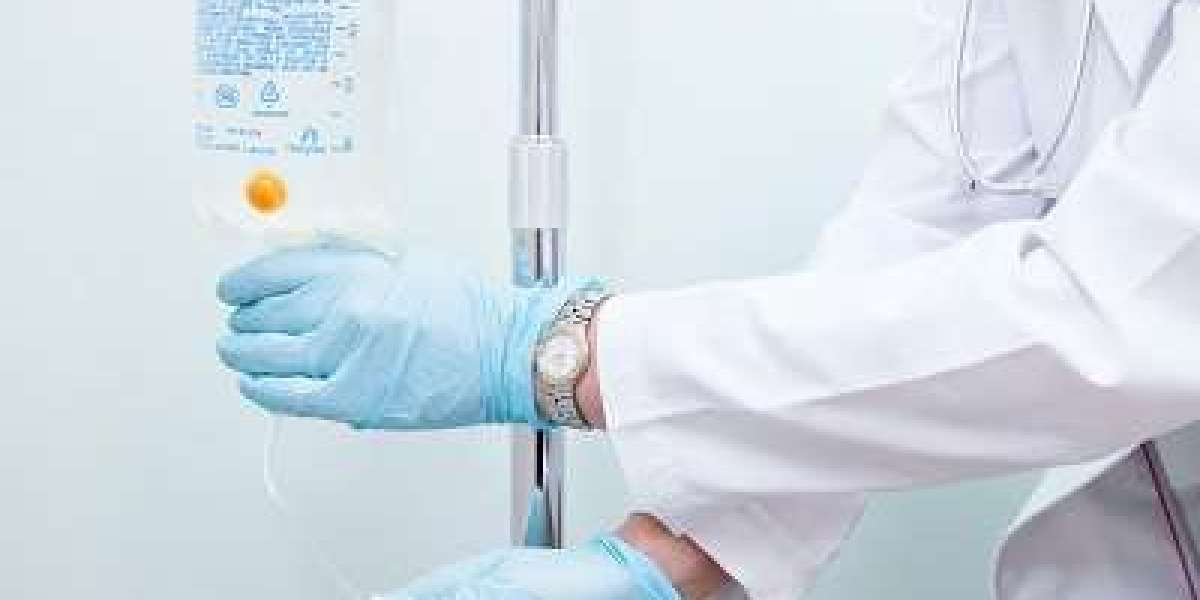

Modern lifestyles often leave people with limited time to focus on their health and wellness. Busy work schedules, family responsibilities, travel, and everyday commitments can make visiting a healthcare facility difficult. As a result, mobile healthcare services have become increasingly popular, offering certain treatments and medical support in the comfort of a person's home, hotel, or preferred location. Mobile IV drip services are one example of this growing trend.
For individuals researching IV Drip in Oman, mobile IV therapy may seem like an attractive option because it combines convenience with access to intravenous hydration and selected nutrients. Instead of travelling to a healthcare facility, eligible individuals may be able to arrange a supervised session at a location that suits their needs. However, convenience is only one part of the decision. Safety, medical suitability, professional supervision, and the actual benefits of treatment are equally important when determining whether mobile IV drip services are worth considering.
1. What Are Mobile IV Drip Services?
Mobile IV drip services involve administering intravenous fluids, vitamins, minerals, or other prescribed ingredients at a location outside a traditional healthcare facility. Depending on the service and local regulations, a qualified healthcare professional may visit an individual's home, hotel, or another suitable setting to provide the treatment.
An IV drip works by delivering fluids and selected substances directly into a vein through a small intravenous catheter. This method allows substances to enter the bloodstream without passing through the digestive system.
Mobile IV services may offer different formulations depending on their intended purpose. These can include:
Hydration solutions: Used to replace fluids when medically indicated.
Vitamin formulations: May contain selected vitamins such as vitamin C and B-complex nutrients.
Electrolyte solutions: Used to address certain fluid and electrolyte requirements.
Medically prescribed nutrient support: Designed for individuals with specific nutritional or medical needs.
Not every mobile IV service offers the same treatments, and not every individual is an appropriate candidate.
It is also important to understand that IV therapy is not automatically more beneficial than drinking water, maintaining a balanced diet, or taking appropriate oral supplements. For most healthy individuals, normal dietary intake and oral hydration are sufficient.
2. Why Are Mobile IV Drip Services Becoming Popular?
Convenience is one of the biggest reasons people consider mobile IV therapy. Traditional appointments may involve travelling, waiting, and adjusting personal schedules. Mobile services aim to reduce these challenges by bringing selected treatments to the individual.
Several factors contribute to the growing interest in mobile IV services.
Convenience and Time-Saving
People with demanding schedules may appreciate the possibility of receiving an eligible treatment without travelling to a healthcare facility. This can be particularly appealing to professionals, frequent travellers, and individuals with limited mobility.
However, a convenient appointment should never replace proper medical assessment or emergency care.
Comfort of a Familiar Environment
Some individuals feel more comfortable receiving non-emergency treatment in familiar surroundings. A home environment may help reduce the stress associated with travelling and waiting for appointments.
Nevertheless, the treatment area must be clean, suitable, and equipped for safe intravenous administration.
Flexible Scheduling
Depending on availability and local service arrangements, mobile IV appointments may offer greater scheduling flexibility. This can make it easier for people to coordinate treatment around work, family responsibilities, or travel plans.
Personalized Attention
A properly managed mobile service should include an assessment of the individual's medical history, current symptoms, medications, allergies, and treatment requirements.
Personalized care is important because different people have different hydration and nutritional needs. A suitable IV formulation for one individual may not be appropriate for another.
3. What Are the Main Benefits of Mobile IV Therapy?
Mobile IV therapy can provide practical advantages when the treatment is medically appropriate and administered under suitable professional supervision.
Access to Intravenous Hydration
One of the established medical uses of IV fluids is managing dehydration when intravenous replacement is necessary. This may be relevant in certain situations involving vomiting, diarrhea, or an inability to maintain adequate oral fluid intake.
However, mild dehydration can often be managed through drinking water or appropriate oral rehydration solutions. IV fluids are not routinely necessary for everyday hydration.
Reduced Travel Requirements
For individuals who are medically stable and suitable for home-based treatment, mobile services may reduce the need to travel. This can be useful for people with mobility limitations or demanding schedules.
Individualized Treatment Options
Depending on the medical assessment, a mobile IV service may provide specific fluids or nutrients suited to an individual's needs. The selected formulation should have a clear purpose rather than being based solely on general wellness claims.
Greater Scheduling Flexibility
Some mobile services offer appointments at different times, making it easier for eligible individuals to arrange treatment around their routines.
Potential Comfort and Privacy
Receiving treatment in a familiar environment may provide additional comfort and privacy. However, this benefit depends on maintaining appropriate clinical standards and ensuring that the setting is suitable for the procedure.
Although these advantages can make mobile IV services appealing, they do not mean that mobile treatment is always better than receiving care in a medical facility.
4. Is Mobile IV Drip Therapy Safe?
Safety should be the primary consideration when evaluating any mobile IV drip service. Although intravenous administration is a common medical procedure, it involves inserting a catheter into a vein and delivering substances directly into the bloodstream.
Without appropriate assessment, sterile equipment, and professional supervision, complications may occur.
Potential Risks and Side Effects
Possible complications include:
Bruising or discomfort around the insertion site.
Vein irritation or inflammation.
Infection.
Bleeding.
Allergic reactions to administered ingredients.
Fluid overload.
Electrolyte imbalances.
Adverse reactions to excessive vitamin doses.
Certain individuals require additional precautions. For example, people with kidney disease or heart conditions may have difficulty managing additional fluid intake. Excessive intravenous fluids can create serious complications in these circumstances.
High-dose vitamin formulations also require careful consideration. Certain nutrients can cause adverse effects when administered in excessive quantities or when used by individuals with particular medical conditions.
What Makes a Mobile IV Service Safer?
Before selecting a mobile IV service, individuals should consider whether it follows appropriate clinical procedures.
Important safety considerations include:
Qualified Professionals: IV administration should be performed by appropriately licensed and trained healthcare professionals.
Medical Assessment: The individual's health history, allergies, medications, and symptoms should be reviewed before treatment.
Sterile Equipment: Single-use sterile needles, catheters, and appropriate medical supplies should be used.
Clear Ingredient Information: The individual should know which fluids, vitamins, and minerals will be administered.
Proper Monitoring: The healthcare professional should monitor the individual for potential reactions during treatment.
Emergency Preparedness: There should be a clear procedure for responding to complications and arranging urgent medical care when necessary.
A service that focuses only on convenience without addressing these requirements should be approached with caution.
5. Who Should Consider Mobile IV Drip Services?
Mobile IV therapy may be suitable for certain individuals who require medically indicated intravenous treatment and are stable enough to receive it outside a healthcare facility.
Potential candidates may include:
Individuals who require prescribed intravenous fluids.
People with specific nutritional requirements that justify intravenous administration.
Patients who have difficulty travelling but are medically suitable for home-based treatment.
Individuals receiving an established treatment plan that can safely be continued outside a hospital.
However, mobile IV therapy is not suitable for every health concern.
People experiencing severe dehydration, fainting, confusion, chest pain, difficulty breathing, severe weakness, or other serious symptoms should seek urgent medical attention rather than arranging a routine mobile IV appointment.
Individuals with kidney disease, heart failure, pregnancy, significant allergies, or other complex medical conditions should receive professional advice before considering treatment.
It is also important to recognize that general tiredness, headaches, and low energy do not automatically indicate a need for IV vitamins. These symptoms can have several causes, including poor sleep, nutritional deficiencies, stress, infections, and underlying medical conditions.
A proper assessment helps determine whether intravenous treatment is necessary or whether a simpler approach would be more appropriate.
6. How to Decide Whether Mobile IV Drip Services Are Worth It
Whether mobile IV therapy is worth considering depends on the individual's health requirements, lifestyle, and the quality of the service.
Convenience may be valuable, but it should never be the only reason for choosing an intravenous treatment.
Before arranging an appointment, individuals can consider several important questions.
Does the Treatment Have a Clear Medical Purpose?
The first consideration is whether there is a genuine reason for receiving IV fluids or nutrients. If an individual is adequately hydrated and has no identified nutritional deficiency, routine vitamin drips may provide little additional benefit.
Is the Service Professionally Supervised?
The provider should be able to explain who will administer the treatment, what qualifications they hold, and how patient safety is maintained.
Are the Ingredients Appropriate?
Individuals should understand the formulation, dosage, and intended purpose of the ingredients. They should also disclose all medications, allergies, and existing medical conditions.
Is the Location Suitable?
A mobile treatment environment should be clean, comfortable, and appropriate for administering intravenous therapy. The professional should have the necessary equipment and supplies to maintain hygiene and respond to potential complications.
Are There Better Alternatives?
For mild dehydration, drinking water and using oral rehydration solutions when appropriate may be sufficient. Nutritional deficiencies can often be managed through dietary changes or oral supplements, depending on the condition.
Ultimately, mobile IV drip services may be worth considering when they provide medically appropriate care without compromising safety. The convenience of home-based treatment is valuable only when the clinical standards remain consistent with safe healthcare practices.
Frequently Asked Questions About Mobile IV Drip Services
1. What is the difference between mobile IV therapy and traditional IV therapy?
The primary difference is the location of treatment. Traditional IV therapy is generally administered in a healthcare facility, while mobile IV therapy is provided at a suitable location such as a home or hotel. Both methods involve intravenous administration and require appropriate medical supervision, sterile equipment, and patient assessment.
2. Are mobile IV drip services suitable for everyone?
No. Suitability depends on an individual's health condition, medical history, medications, and treatment requirements. People with kidney disease, heart conditions, severe dehydration, or other significant medical concerns may require additional evaluation or facility-based care.
3. How long does a mobile IV drip session take?
The duration depends on the type and volume of fluid being administered, the prescribed infusion rate, and the individual's response. The healthcare professional should determine the appropriate administration time rather than rushing the procedure for convenience.
4. Can mobile IV therapy help with dehydration?
Yes, intravenous fluids can help manage dehydration when oral hydration is insufficient or unsuitable. However, mild dehydration can usually be managed through drinking water or appropriate oral rehydration solutions. Severe dehydration requires prompt medical evaluation.
5. Are vitamin-based mobile IV drips better than oral supplements?
Not necessarily. Oral supplements and a balanced diet are sufficient for most individuals. Intravenous vitamins may be appropriate in selected medical situations involving absorption problems or specific nutritional requirements. The best method depends on the individual's condition and professional recommendations.
6. What should someone check before booking a mobile IV drip service?
Individuals should confirm that the service uses qualified healthcare professionals, conducts medical assessments, follows sterile procedures, provides clear ingredient information, and has appropriate emergency arrangements. They should also understand the potential risks and whether the treatment is genuinely necessary.
Final Thoughts
Mobile IV drip services offer an alternative way to access certain intravenous treatments without travelling to a traditional healthcare facility. Their convenience, flexible scheduling, and familiar treatment environment may appeal to individuals with appropriate medical needs.
However, convenience should never take priority over safety. IV therapy is a medical procedure, not simply a wellness appointment, and it should only be provided when there is a suitable reason for treatment.
Individuals exploring IV Drip in Oman should pay attention to professional qualifications, medical assessment, treatment ingredients, hygiene standards, and appropriate monitoring. They should also remember that everyday hydration, balanced nutrition, adequate sleep, and healthy lifestyle habits remain essential for overall well-being.
When mobile IV therapy is medically appropriate and delivered under proper supervision, it may offer a practical treatment option. The best decision is always one that balances convenience with individual health requirements and responsible medical care.
Read More About IV Drip: https://loveandfitness.com/blogs/2087/4359/iv-drip-therapy-what-happens-inside-your-body