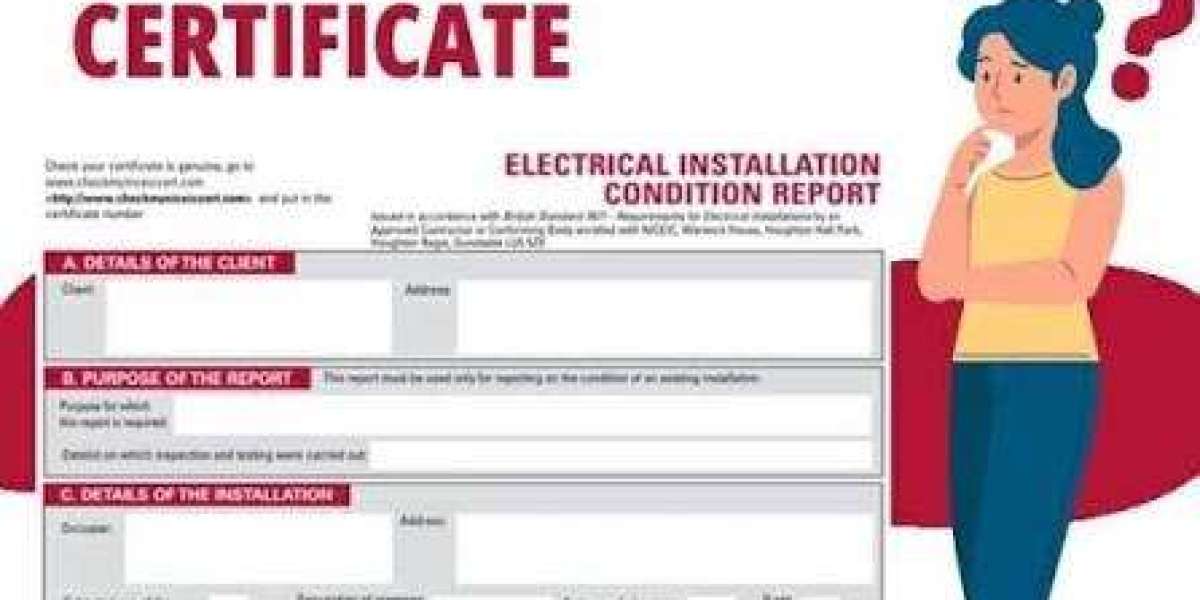

A domestic electrical installation certificate is an important document for homeowners who want to ensure that electrical work in their property meets the required safety standards. It provides a record of the work completed, the inspections carried out and the test results. Whether you are building a new home, replacing a consumer unit or adding new electrical circuits, understanding the certification requirements can help you protect your property.
A domestic electrical installation certificate confirms that qualifying electrical installation work has been designed, installed, inspected and tested in line with the relevant requirements of BS 7671, also known as the IET Wiring Regulations. It is issued by the responsible electrical professional after the work has been completed and the required checks have taken place.
However, receiving a certificate involves more than filling in a form. The installation must meet the relevant technical requirements, the correct tests must be completed and the supporting documents must be accurate. Homeowners also need to understand when an Electrical Installation Certificate (EIC) is required and when another document, such as an Electrical Installation Condition Report (EICR), is more suitable.
This guide explains the main requirements, who can issue the certificate, what information it contains and how homeowners can make sure their electrical work is properly documented.
What Is a Domestic Electrical Installation Certificate?
A Domestic Electrical Installation Certificate, often called an EIC, is a formal record issued after qualifying electrical installation work.
It confirms that the completed work has been designed, constructed, inspected and tested against the applicable requirements of BS 7671.
The certificate gives homeowners evidence of the electrical work carried out at their property. It also provides technical information that may help future electricians inspect, maintain or modify the installation.
An EIC is commonly issued after:
A new electrical installation in a home.
A complete house rewire.
The installation of new electrical circuits.
A consumer unit replacement.
Qualifying additions or alterations to an existing electrical system.
The certificate should include the relevant schedules of inspection and test results. These supporting documents are an important part of the record.
It is worth noting that an EIC does not guarantee that an installation will remain safe forever. Electrical systems can change, wear out or develop faults. The certificate records the condition and compliance of the work when it was completed.
Why Is a Domestic Electrical Installation Certificate Important?
Electrical systems supply power to lighting, sockets, heating, cooking equipment and other household appliances. Poor installation or unsuitable electrical components can create risks for people and property.
A domestic electrical installation certificate provides evidence that qualifying work has been checked against recognised technical requirements.
There are several reasons why homeowners should obtain and keep this document.
1. Evidence of Electrical Installation Compliance
The certificate records that the installation work has undergone the required inspection and testing.
This is important after major electrical projects, such as a complete rewire or consumer unit replacement.
It helps homeowners understand what work was completed and provides a record for future reference.
2. Support During Property Sales
Buyers may ask for electrical certificates when purchasing a property.
For example, if the seller has recently replaced the consumer unit or rewired the house, the buyer may want to see the relevant documentation.
Providing a complete EIC can help answer questions about the work and reduce uncertainty during the sale process.
Although the certificate does not replace a new inspection when one is needed, it is useful evidence of previous work.
3. Better Planning for Future Electrical Work
Homeowners often make changes to their properties over time.
They may extend a kitchen, install additional lighting, upgrade heating equipment or add new electrical circuits.
Previous certificates can help an electrician understand the installation's history. This information may support future design decisions and reduce the need to rely on incomplete records.
4. Useful Property and Insurance Records
Electrical documentation can be useful when dealing with property management and insurance enquiries.
An insurer may request information about electrical work when reviewing a claim or assessing a particular risk.
An EIC provides a record of the work completed, although it does not guarantee insurance cover or replace the terms of an insurance policy.
Domestic Electrical Installation Certificate Requirements Under BS 7671
BS 7671 is the British Standard for electrical installations. It is also known as the IET Wiring Regulations.
It sets out technical requirements for the design, construction, inspection and testing of electrical installations.
A domestic electrical installation certificate must relate to work that has been completed and assessed against the applicable requirements.
The main requirements involve several stages.
1. Suitable Electrical Installation Design
Electrical work should start with a suitable design.
The design must consider the property's electrical needs, expected loads, circuit arrangements and protective measures.
For example, a kitchen renovation may require dedicated circuits for certain appliances. The design should account for the equipment and the demands it places on the electrical system.
The electrician must also consider the existing installation when planning alterations or additions.
A suitable design helps ensure that the work meets the relevant technical requirements and is appropriate for the property.
2. Correct Installation Methods
The electrical installation must follow the design and use suitable materials and equipment.
This includes selecting appropriate cables, accessories, protective devices and other components.
The installation should also account for the property's layout and the conditions in which the equipment will operate.
For example, electrical equipment used in areas with moisture or other environmental risks must be suitable for those conditions.
The work must be carried out by people with the required competence and under appropriate supervision.
3. Inspection Before Certification
Inspection helps identify problems that may affect the safety or compliance of the completed work.
The responsible electrical professional checks relevant parts of the installation against the applicable requirements.
These checks may include the suitability of equipment, cable installation, protective devices, connections and other installation details.
The inspection schedule records the relevant checks and their outcomes.
4. Electrical Testing
Testing provides technical evidence about the installation.
The required tests depend on the nature and extent of the work. They may include:
Continuity of protective conductors.
Insulation resistance.
Polarity.
Earth fault loop impedance.
Verification of protective device operation.
Other relevant tests for the installation.
The test results must be recorded in the appropriate schedules.
Testing should be carried out using suitable instruments and by people competent to perform and interpret the results.
5. Complete and Accurate Certification
Once the work has been completed and the required inspection and testing have taken place, the responsible person can complete the EIC.
The certificate should identify the installation, describe the work and record the relevant design, construction and inspection responsibilities.
It should also include the supporting schedules.
An incomplete certificate may not provide the information needed to understand the work or confirm the results of the checks.
When Is a Domestic Electrical Installation Certificate Required?
Homeowners often ask whether every electrical job needs an EIC.
The answer depends on the type and extent of the work. Some projects require an Electrical Installation Certificate, while smaller alterations may be documented using a different certificate.
New Electrical Installations
A new electrical installation normally requires an EIC.
This may apply when a new home is built or when a completely new electrical system is installed.
The certificate records the design, construction, inspection and testing of the installation.
Complete House Rewiring
A complete rewire involves replacing much of the existing electrical system.
The work may include new cables, circuits, switches, sockets, lighting points and a consumer unit.
Once the installation is complete, an EIC should be provided with the relevant inspection and test schedules.
Homeowners should keep this documentation with their property records.
New Electrical Circuits
Installing a new circuit is another common reason for issuing an EIC.
For example, a homeowner may need a dedicated circuit for a new appliance or an extension.
The new circuit must be designed, installed, inspected and tested in line with the applicable requirements.
Consumer Unit Replacement
A consumer unit distributes electricity to different circuits throughout the property.
Replacing an existing unit involves significant electrical work. The installation must be assessed, tested and documented.
An EIC is generally required for this type of work.
The contractor should also check the condition of the existing installation and identify any issues that may need attention.
Electrical Additions and Alterations
Not every electrical alteration requires a full EIC.
For example, certain minor additions or alterations to an existing circuit may be documented using a Minor Electrical Installation Works Certificate (MEIWC).
More extensive work may require an EIC.
The correct certificate depends on the nature and extent of the work. A competent electrical professional should decide which document applies.
What Are the Part P Building Regulations Requirements?
Part P is part of the Building Regulations in England and Wales. It covers electrical safety in dwellings and aims to protect people from fire and electric shock.
Certain domestic electrical work must be notified to Building Control unless it is completed through an appropriate Competent Person Scheme.
For example, some work in special locations and certain new circuits may be notifiable.
An electrician registered with an approved scheme may be able to self-certify qualifying work and arrange the required notification.
However, homeowners should understand that an EIC and a Building Regulations compliance certificate are different documents.
An EIC records the electrical installation work and its inspection and test results. Building Regulations compliance documentation confirms that the relevant notification and compliance process has been addressed.
Therefore, homeowners should ask their electrician whether the project requires notification and how the relevant documentation will be provided.
Scotland and Northern Ireland have separate building standards and regulatory arrangements, so homeowners in those regions should check the rules that apply to their property.
What Information Must a Domestic Electrical Installation Certificate Include?
A complete EIC contains several sections. Each section records information about the property, the electrical work and the people responsible for completing it.
Homeowners should check that the certificate is complete and that the supporting schedules are included.
1. Property and Client Details
The certificate should identify the property where the electrical work was completed.
It normally includes:
Client or property owner's details.
Full installation address.
Date the work was completed.
Certificate reference or identification number.
Description of the electrical installation work.
These details help identify the project and link the certificate to the correct property.
2. Details of the Electrical Installation
The document records relevant information about the installation.
This may include the supply characteristics, earthing arrangements, protective devices and other technical details.
These records help another electrical professional understand the system during future work.
3. Design and Construction Information
The EIC records who was responsible for the design and construction of the electrical installation.
It also includes the relevant declarations and signatures.
Where different people or organisations carry out these duties, their responsibilities should be recorded clearly.
4. Schedule of Inspections
The inspection schedule records the checks carried out on the installation.
It provides evidence that the relevant parts of the work were inspected against the applicable requirements.
The completed schedule should form part of the certificate rather than being treated as an optional extra.
5. Schedule of Test Results
The test schedule contains the results of the electrical tests.
These results provide technical evidence about the installation and its protective measures.
They may also help future electricians understand the original condition of the circuits.
The IET's model EIC states that the certificate is only valid when accompanied by the required Schedule of Inspections and Schedule of Test Results.
electrical.theiet.org
Who Can Issue a Domestic Electrical Installation Certificate?
A domestic electrical installation certificate should be completed by the people responsible for the relevant electrical work, design, inspection and testing.
They must have the knowledge, training and practical skills needed for their responsibilities.
Being able to complete an electrical certificate requires more than basic knowledge of household wiring. Inspection and testing involve technical procedures and the ability to understand the results.
Check the Electrician's Competence
Before appointing a contractor, ask about their qualifications and experience.
They should understand the requirements of BS 7671 and have suitable experience with the type of installation you need.
For example, a complete house rewire may involve different design and testing requirements from a small domestic electrical alteration.
The contractor should also explain what the certificate will cover and which supporting documents you will receive.
Check Competent Person Scheme Registration
In England and Wales, certain registered electrical installers can self-certify qualifying work under an approved Competent Person Scheme.
Common industry schemes include NICEIC and NAPIT.
Registration can help homeowners identify contractors who are authorised to self-certify the relevant notifiable work.
However, scheme membership alone should not replace checks on experience, competence and the scope of the proposed project.
The IET explains that people carrying out electrical inspection and testing need suitable knowledge, experience and practical skills.
IET BS 7671 guidance+1
What Is the Difference Between an EIC, EICR and Minor Works Certificate?
Choosing the correct electrical document is an important part of meeting certification requirements.
An EIC, EICR and Minor Electrical Installation Works Certificate each serve a different purpose.
Electrical Installation Certificate (EIC)
An EIC records qualifying new electrical installation work.
It is generally used for:
A completely new electrical installation.
An addition or alteration that introduces a new circuit.
Replacement of a consumer unit or distribution board.
It includes the relevant inspection and testing schedules.
Electrical Installation Condition Report (EICR)
An EICR assesses the condition of an existing electrical installation.
It identifies defects, damage, deterioration and other concerns that may affect electrical safety.
Homeowners may arrange an EICR when purchasing an older property or when they want to understand the condition of their existing wiring.
It does not replace an EIC for new installation work.
Minor Electrical Installation Works Certificate
A Minor Electrical Installation Works Certificate is used for certain additions and alterations that do not introduce a new circuit.
Examples include adding a socket to an existing circuit, installing an additional lighting point or relocating a light switch.
The work must still be inspected and tested. The fact that a project is classed as minor does not remove the need for appropriate electrical checks.
The IET's model forms explain the intended use of each document and the distinction between new circuits and minor alterations.
electrical.theiet.org+2
What Are the Domestic Electrical Installation Certificate Requirements for Part P?
Part P is an important part of domestic electrical safety in England and Wales.
It forms part of the Building Regulations and aims to ensure that fixed electrical installations provide reasonable protection against fire and injury.
The requirements apply to electrical work in homes, including new installations, extensions and alterations.
However, not all electrical work follows the same notification process.
Which Electrical Work Is Notifiable?
In England, common examples of notifiable electrical work include:
Installing a new electrical circuit.
Replacing a consumer unit.
Certain electrical work in special locations, such as areas around baths and showers.
Installing certain new electrical supplies to other buildings within the property.
The exact requirements depend on the location and type of work.
Some work can be completed and self-certified by an installer registered with an appropriate Competent Person Scheme.
Where the installer cannot self-certify the work, the homeowner may need to use the relevant Building Control notification route.
Is an EIC Enough for Part P Compliance?
An EIC provides evidence of the electrical installation work and its inspection and test results.
However, it does not automatically replace the separate Building Regulations compliance process.
For notifiable work, homeowners should check that the required notification has been completed and that the relevant compliance documentation will be provided.
This distinction is important because an electrical certificate and a Building Regulations compliance certificate serve different purposes.
eca.co.uk+2
What Should Homeowners Do If They Do Not Receive an EIC?
If an electrician completes qualifying electrical installation work but does not provide the certificate, homeowners should contact the contractor and request the missing documentation.
Start by checking the original quotation or agreement. It may state which certificates and supporting documents the contractor agreed to provide.
Next, ask for a copy of the completed EIC, including its inspection and test schedules.
If the contractor cannot provide the documentation, the homeowner should seek advice from a competent electrical professional or the relevant certification scheme.
An EIC should not be created simply to fill a gap in the property's records. Any certification must accurately reflect the work and the inspection and testing that took place.
If there is uncertainty about the condition of the installation, a separate inspection may help establish its current condition. However, an EICR cannot retrospectively replace an EIC for work that required initial certification.
How Long Does a Domestic Electrical Installation Certificate Remain Valid?
An EIC does not have a standard expiry date.
It records the installation work and the results of the checks completed at that time. It remains a historical record even as the electrical system ages.
However, this does not mean that the installation will remain safe without further attention.
Electrical equipment can deteriorate through use, damage, environmental conditions and changes to the property.
The electrical designer or competent professional should recommend a suitable interval for future inspection, based on the installation's use and expected conditions.
Homeowners should also arrange an inspection if they notice electrical concerns or plan significant changes to an older system.
How Can Homeowners Prepare for Electrical Installation Certification?
Good preparation can help a domestic electrical project run smoothly.
Before work starts, homeowners should explain their requirements to the contractor and discuss the scope of the installation.
It is useful to identify the appliances, lighting points, sockets and other equipment that will form part of the project.
You should also ask whether the existing consumer unit and wiring need further assessment.
During the project, keep records of the agreed work and any changes to the original plan.
Before accepting the completed work, check that you receive:
The correct electrical certificate.
A completed Schedule of Inspections.
The relevant Schedule of Test Results.
Building Regulations compliance documentation, where required.
Details of any outstanding issues or recommended improvements.
Finally, store the documents with your other property records. Keep a digital copy as well so that you can access the information when arranging future work.
How Almens Consult Can Help With Electrical Engineering Requirements
Understanding electrical installation requirements is important when planning home improvements, upgrades or new electrical systems. However, homeowners may need professional guidance to understand technical requirements, assess project needs and plan suitable electrical solutions.
Almens Consult provides engineering consultancy and technical support across electrical engineering, power design, energy management and safety compliance. The company helps clients understand their engineering requirements and make informed decisions about electrical projects.
For domestic electrical projects, Almens Consult can provide guidance on technical considerations, project planning and electrical system requirements. This can help homeowners identify the right areas to address before arranging installation work.
Where physical installation, inspection, testing or certification is required, homeowners should appoint an appropriately competent and authorised electrical professional.
Conclusion
A domestic electrical installation certificate is an important record for homeowners who want to ensure that qualifying electrical work meets the relevant safety requirements. It confirms that the work has been designed, installed, inspected and tested in line with the applicable requirements of BS 7671.
Understanding the certification process helps homeowners choose the correct document, whether they need an EIC, an EICR or a Minor Electrical Installation Works Certificate.
It is also important to understand Part P Building Regulations requirements, check the contractor's competence and obtain all supporting inspection and test schedules.
By keeping accurate electrical records and using competent professionals, homeowners can make better decisions about their property's electrical systems and future maintenance.