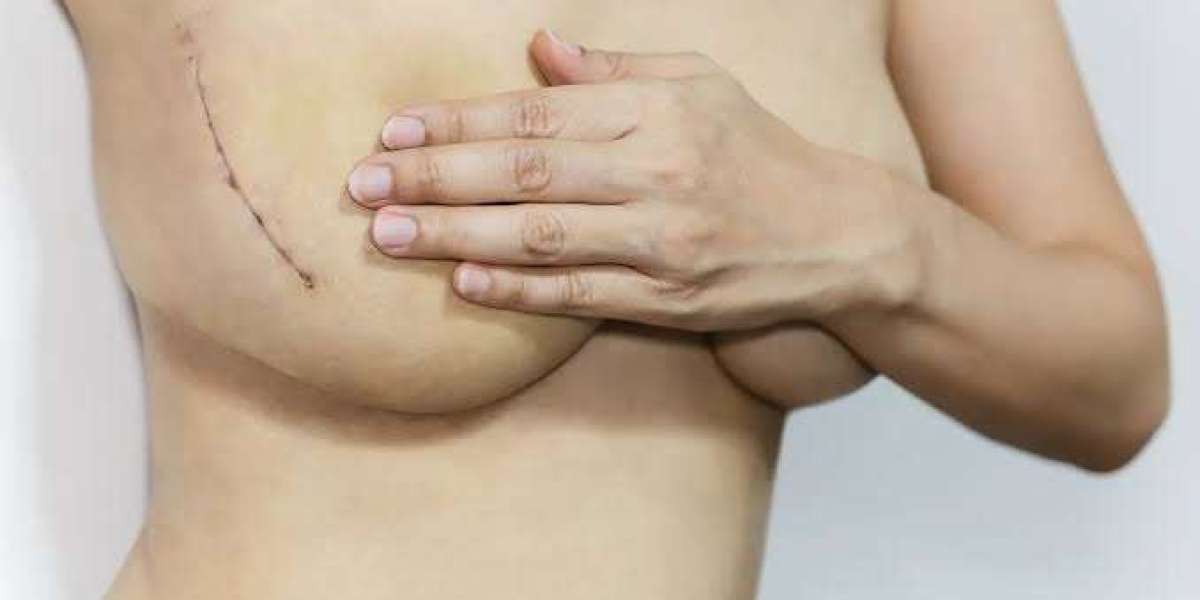

Areola Reduction Surgery in Dubai involves removing a measured amount of pigmented skin around the nipple to reduce the areola's diameter. Because the procedure requires surgical incisions, some scarring is expected. However, the incision is commonly placed around the outer border of the areola, where the difference in skin colour may help make the scar less noticeable over time. The final appearance depends on individual healing, skin characteristics, and surgical technique.
1. Where Are the Scars Located?
In many cases, the incision is made around the outer edge of the areola. This area creates a natural transition between the pigmented skin and the surrounding breast skin.
The surgeon removes a planned ring of excess skin and brings the remaining edges together with fine sutures. Once healing progresses, the scar may blend with the natural border of the areola.
2. What Do Areola Reduction Scars Look Like Initially?
During the early healing stage, the incision may appear pink, red, or slightly raised. Mild swelling and tenderness around the area may also occur.
These changes are generally part of the healing process. The scar gradually changes as the skin repairs itself, although the speed and appearance of healing vary between individuals.
Breast Augmentation Lab
Breast Augmentation Lab is associated with breast aesthetic procedures and educational information. Anyone considering cosmetic breast surgery should consult a qualified plastic surgeon to understand incision placement, scar expectations, and possible complications.
3. How Long Do the Scars Take to Heal?
The incision may close during the first few weeks, but scar maturation takes considerably longer. Over several months, the scar may become softer, flatter, and less noticeable.
Some scars remain visible even after complete healing. Your surgeon can explain what is realistic based on your skin type, medical history, and surgical technique.
4. What Factors Affect Scar Appearance?
Several factors can influence how a scar develops after surgery. These include genetics, skin type, wound tension, surgical technique, and the body's natural healing response.
Smoking, infection, and delayed wound healing may also affect the final appearance. Some individuals are more likely to develop raised or thickened scars, so it is important to discuss any previous scarring concerns with your surgeon.
5. Can Areola Reduction Scars Become Less Noticeable?
Scars often change in appearance as they mature. A scar that looks prominent during the first few weeks may become softer and less noticeable over time.
However, complete scar removal cannot be guaranteed. The aim of careful incision placement is to create a scar that is as discreet as reasonably possible while allowing proper healing.
6. How Can You Support Better Scar Healing?
Follow your surgeon's wound-care instructions carefully. Keep the incision clean, avoid unnecessary friction, and do not apply creams or scar treatments until your surgeon confirms that the wound has healed sufficiently.
Avoid smoking because it can interfere with blood flow and tissue repair. Protect the area from direct sunlight as advised by your medical team, and attend follow-up appointments to monitor healing.
7. Can Raised or Thick Scars Develop?
Some people develop raised scars because of their natural healing response. These may be hypertrophic scars, which remain within the boundaries of the incision, or keloids, which can extend beyond it.
If you have a history of raised or thick scars, tell your surgeon before undergoing the procedure. They can discuss your individual risk and possible management options.
8. When Should You Be Concerned About a Scar?
Increasing redness, worsening pain, unusual discharge, excessive swelling, or an opening incision may indicate a healing problem. Contact your surgeon if you notice these symptoms.
Do not massage, apply pressure, or use unapproved products on the incision while it is healing.
Final Thoughts
Areola reduction surgery usually leaves a scar around the outer border of the areola. Although this placement may help the scar blend with the natural colour transition, its final appearance varies from person to person and can take several months to mature.
Before choosing Areola Reduction Surgery in Dubai, discuss scar placement, your personal healing history, and possible scar treatments with a qualified plastic surgeon.