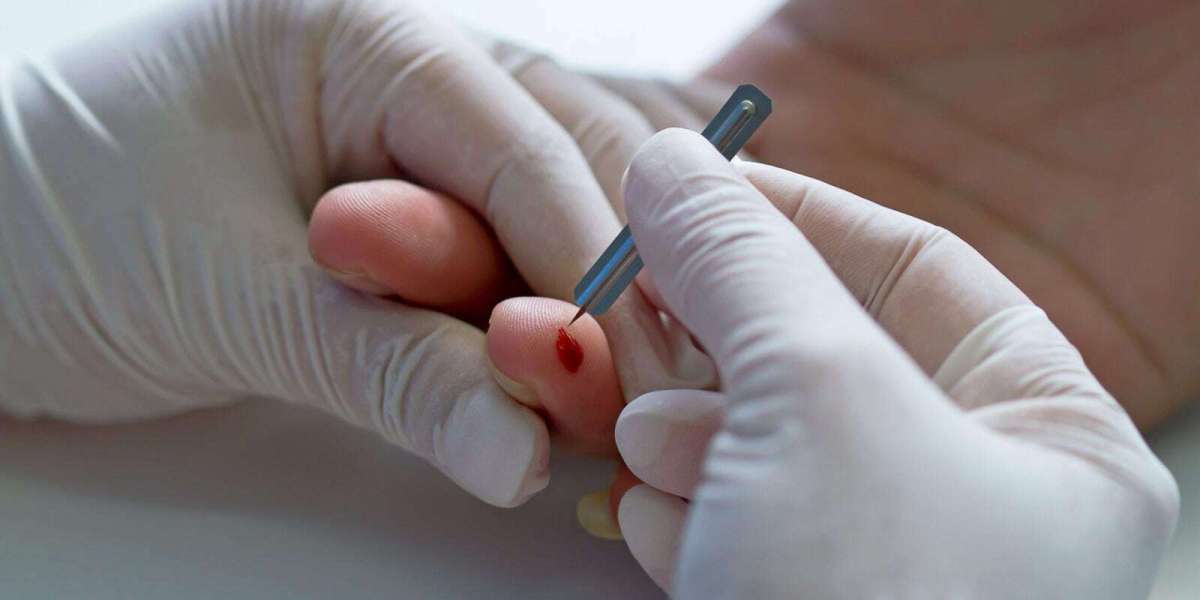

Receiving an abnormal result during a visa medical examination can be stressful, especially when your travel, employment, or immigration plans depend on medical clearance. Many applicants immediately worry that one abnormal blood test means their visa application will be rejected. However, this is not always the case.
In many situations, repeating a Visa Blood Test Dubai is possible and may be recommended by an authorized medical professional. An abnormal result can sometimes occur because of temporary health conditions, laboratory variations, testing errors, or the need for additional diagnostic investigations.
Whether you can repeat the test depends on the type of blood investigation, the reason for the abnormal finding, and the medical requirements of your destination country.
This guide explains when a visa blood test can be repeated, why abnormal results occur, what happens during retesting, and how applicants can avoid unnecessary delays in their immigration medical examination.
What Does an Abnormal Visa Blood Test Result Actually Mean?
An abnormal visa blood test result means that one or more laboratory findings fall outside the expected reference range or produce a reactive screening result.
It is important to understand that an abnormal result does not always indicate a confirmed medical condition.
For example, a reactive infectious disease screening test may require a separate confirmatory investigation. Similarly, elevated liver enzymes may occur because of medication use, temporary inflammation, fatty liver disease, or other medical conditions.
Common reasons for abnormal findings during an immigration medical examination include:
Reactive HIV screening results.
Positive hepatitis B or hepatitis C screening.
Abnormal syphilis screening.
Elevated liver enzymes.
Low hemoglobin levels.
Abnormal blood glucose levels.
Laboratory or sample-related variations.
The next step usually depends on the specific investigation and the medical examiner's assessment.
Is It Possible to Repeat a Visa Blood Test?
Yes, a visa blood test can often be repeated when medically appropriate and permitted under the destination country's immigration medical procedures.
However, applicants cannot always request an immediate repeat test simply because they are unhappy with the initial result.
An authorized panel physician or immigration medical center generally determines whether repeat testing, confirmatory testing, or further medical evaluation is necessary.
There are several situations in which retesting may be recommended:
Unclear screening results: Some screening tests produce reactive or borderline findings that require additional investigation.
Possible laboratory variation: A sample may be affected by collection, handling, or processing issues.
Temporary medical conditions: Certain illnesses or temporary physiological changes can influence specific blood test results.
Need for confirmation: Some infections require more specific diagnostic testing before a final conclusion can be reached.
Medical follow-up: A doctor may request another test to monitor an abnormal finding or evaluate whether it has changed.
The purpose of repeating a test is to obtain reliable medical information, not simply to replace an unfavorable result.
5 Common Visa Blood Test Abnormalities That May Require Retesting:
Different blood investigations have different retesting procedures. Understanding the most common examples can help applicants know what to expect.
1. HIV Screening Results
HIV screening may be included in certain immigration medical examinations.
Modern HIV antigen-antibody tests are designed to identify evidence of HIV infection. However, a reactive screening result does not automatically establish a confirmed diagnosis.
Additional testing is generally required according to the recommended diagnostic algorithm.
Depending on the initial findings, the healthcare professional may request supplemental antibody differentiation testing or HIV nucleic acid testing.
It is also important to consider the testing window period. If exposure occurred recently, the timing of testing may affect whether an infection can be detected.
Applicants should follow medical advice rather than arranging repeated screening independently.
2. Hepatitis B Blood Test
Hepatitis B is a viral infection that affects the liver and may cause either acute or chronic disease.
An HBsAg (Hepatitis B surface antigen) test is commonly used to screen for current infection.
If the result is positive, additional investigations may be recommended, including:
Hepatitis B surface antibody.
Hepatitis B core antibody.
HBV DNA testing.
Liver function tests.
Repeating an HBsAg test may sometimes be appropriate, but additional hepatitis markers are often more informative than simply repeating the same screening investigation.
The medical examiner evaluates the findings according to the applicable immigration requirements.
3. Hepatitis C Screening
A hepatitis C antibody test identifies whether someone has developed antibodies following exposure to the virus.
A positive anti-HCV result does not necessarily indicate an active infection. Antibodies may remain detectable even after a person has recovered or completed treatment.
An HCV RNA test is generally used to determine whether the virus is currently present.
If an initial hepatitis C screening result is abnormal, the doctor may recommend confirmatory testing rather than relying on another antibody screening test alone.
4. Syphilis Blood Test
Syphilis is a bacterial infection caused by Treponema pallidum.
Immigration medical screening may include RPR or VDRL testing, depending on the country's requirements.
These tests can produce reactive results that need further evaluation.
Additional treponemal investigations, such as TPHA or other specific antibody tests, may help clarify the findings.
Previous syphilis treatment can also affect test interpretation because some treponemal antibodies may remain positive for many years.
Therefore, the doctor may review previous medical records, treatment history, and additional laboratory results before making an assessment.
5. Liver Function Test Abnormalities
Some immigration medical examinations include liver function investigations when clinically indicated or required by the relevant protocol.
Tests such as ALT, AST, ALP, and bilirubin provide information about liver health.
Abnormal liver enzyme levels can result from several causes, including:
Fatty liver disease.
Viral hepatitis.
Certain medications.
Alcohol-related liver injury.
Temporary inflammation.
Other liver or metabolic conditions.
A doctor may recommend repeating liver function tests after an appropriate interval or conducting additional investigations.
However, the timing of retesting depends on how abnormal the results are and whether other symptoms or medical concerns are present.
Why Can a Visa Blood Test Produce an Abnormal Result?
Before repeating a blood test, it is useful to understand why the initial result may have been abnormal.
Not every abnormal finding is caused by a serious illness.
Several factors can influence laboratory results:
1. Temporary infections: Some acute illnesses can temporarily affect blood counts, liver enzymes, and other laboratory measurements.
2. Medication effects: Certain prescription and over-the-counter medicines can influence liver function, blood glucose, and other test values.
3. Sample collection issues: Improper sample handling, hemolysis, or contamination may affect laboratory accuracy.
4. Biological variation: Some blood measurements naturally fluctuate depending on hydration, activity, meals, and other physiological factors.
5. Screening limitations: Screening investigations are designed to identify possible health concerns. Some require more specific confirmatory tests.
Understanding the underlying reason helps the medical professional choose the correct next step.
What Happens After an Abnormal Visa Medical Test?
Once an abnormal result is identified, the authorized medical provider reviews the findings and determines whether further investigation is required.
The process may involve several stages.
Step 1: Initial result review
The medical examiner checks the laboratory report and identifies which investigation produced the abnormal result.
Step 2: Additional medical assessment
The applicant may be asked about previous illnesses, medications, symptoms, and medical treatment.
Step 3: Repeat or confirmatory testing
Depending on the circumstances, the doctor may request another sample, a different laboratory investigation, or a more specific diagnostic test.
Step 4: Medical documentation
Previous laboratory reports, treatment records, and specialist assessments may be reviewed when relevant.
Step 5: Official medical reporting
The authorized medical provider follows the immigration authority's reporting procedures and communicates the required findings.
Not every applicant needs to complete all these stages. Some abnormal results can be clarified through a single additional investigation.
How Long Should You Wait Before Repeating a Visa Blood Test?
There is no universal waiting period for repeating an immigration blood test.
The appropriate timing depends on the type of test, the initial result, and the reason for repeating it.
For example, a sample affected by a laboratory processing problem may be recollected promptly.
However, infectious disease testing may require a specific interval because of the biological window period. Repeating an HIV test too early after a possible exposure may not provide reliable reassurance.
Similarly, liver function abnormalities may need to be reassessed after a suitable period, depending on their severity and suspected cause.
Always follow the instructions of the authorized medical examiner instead of choosing a retesting date independently.
Will an Abnormal First Result Affect Your Visa Approval?
An abnormal blood test does not automatically result in visa rejection.
Immigration medical decisions depend on the destination country's regulations, visa category, and the applicant's medical circumstances.
Some medical findings may require additional documentation, treatment, or specialist assessment. Other conditions may have little or no effect on visa eligibility.
For example, an abnormal blood glucose result does not automatically mean an applicant will fail an immigration medical examination.
Likewise, a reactive infectious disease screening test may need confirmation before any medical conclusion is reached.
Applicants should avoid assuming that their application has been rejected before receiving an official decision.
7 Practical Tips Before Repeating Your Visa Blood Test:
If your medical examiner recommends retesting, taking a few precautions can make the process easier.
Understand the abnormal result: Ask which specific blood investigation produced the finding.
Follow official instructions: Repeat testing only through the medical provider or laboratory approved for your immigration examination.
Bring previous reports: Earlier laboratory results can help doctors compare findings.
Share your medical history: Mention existing conditions, medications, and previous infections.
Follow fasting requirements: Fast only when instructed for the particular investigation.
Avoid self-medication: Do not take medicines or supplements to manipulate laboratory results.
Keep your appointment records: Save medical documents and follow-up instructions to avoid administrative delays.
These steps can help ensure that your repeat blood test is performed correctly and interpreted in the appropriate medical context.
Frequently Asked Questions About Repeating Visa Blood Tests:
Can I repeat my visa blood test at another laboratory?
Not necessarily. Many immigration authorities require applicants to use designated medical centers or approved laboratories. Always confirm whether an alternative facility is officially accepted.
Can an abnormal visa blood test become normal after repeating it?
Yes, some abnormal findings may not be present on repeat testing. However, this depends on the underlying cause, the type of test, and the timing of the repeat investigation.
Will I have to pay again for a repeat visa blood test?
This depends on the medical center's policies and the reason for retesting. Some repeat investigations may involve additional charges, while others may be covered by the original examination fee.
Can I repeat an HIV test if the first result is reactive?
Further testing is generally required to clarify a reactive HIV screening result. The appropriate confirmatory procedure should be arranged through a qualified healthcare professional.
Does repeating a visa blood test delay immigration approval?
It can delay the medical clearance process because additional investigations take time. However, the actual delay depends on the laboratory, medical provider, and immigration authority.
Can I refuse a repeat blood test?
You can discuss your concerns with the medical examiner, but refusing a required investigation may prevent completion of the immigration medical assessment.
Final Thoughts: Take the Right Steps After an Abnormal Result
An abnormal visa blood Lab tests result does not necessarily mean the end of your immigration plans. In many cases, repeat testing or additional diagnostic investigations can help clarify the findings and provide a more accurate understanding of your health.
The most important step is to identify why the initial result was abnormal and follow the recommendations of your authorized medical examiner.
Avoid arranging unnecessary tests, taking unprescribed medication, or making assumptions about visa rejection before receiving an official decision.
Every destination country has its own immigration medical requirements, so always follow the relevant guidelines and complete any recommended follow-up investigations through an approved medical provider.