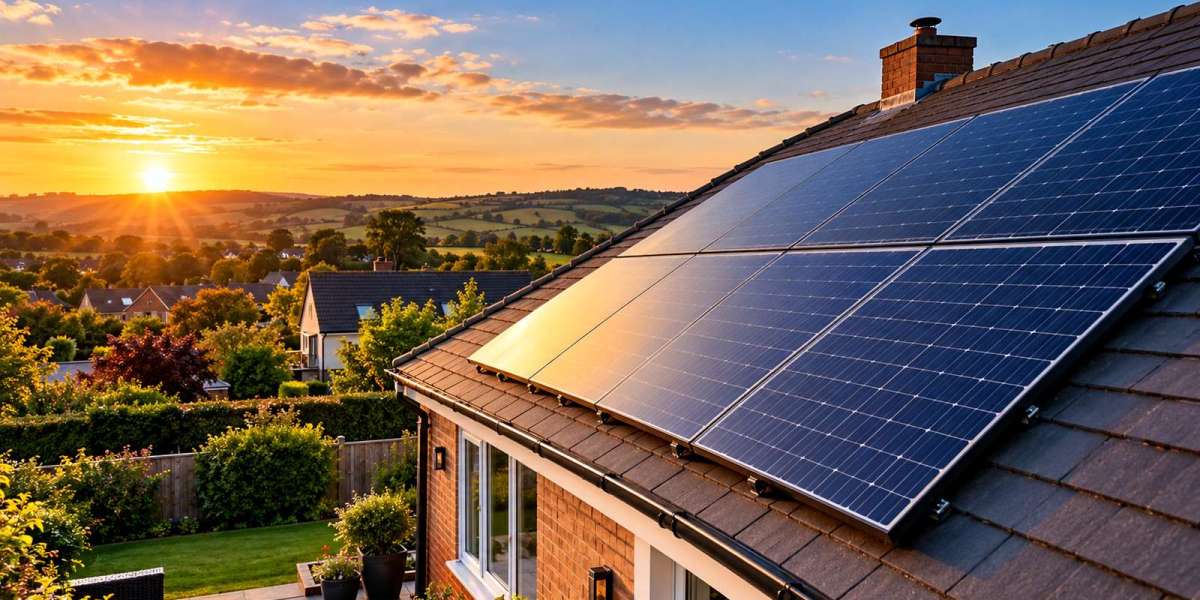

Living near the coast can mean open views and plenty of daylight, but it can also expose buildings to strong winds, salt spray and challenging weather. These conditions do not automatically make solar panels unsuitable. They simply make careful equipment selection and installation design more important.
A professional residential solar panel installation should account for coastal exposure alongside roof size, electricity use and shade.
Do Solar Panels Work in Coastal Areas?
Yes. Photovoltaic panels generate electricity from daylight in seaside towns and rural coastal locations just as they do inland. Actual generation still depends on orientation, pitch, shading and weather, so an installer should provide a property-specific estimate.
Strong winds do not make the panels generate extra electricity; instead, wind affects the loads that the mounting system and roof structure must safely withstand.
How Does Salt Air Affect Solar Equipment?
Sea spray can increase corrosion risks for exposed metal components. Panel frames, mounting rails, fixings and electrical enclosures therefore deserve particular attention when a property is close to the sea.
Ask whether the proposed equipment is suitable for the site's exposure conditions and what the manufacturer's warranty says about coastal environments. Stainless-steel or suitably protected components may be appropriate, depending on the design.
Why Are Roof Fixings So Important?
Coastal properties may experience significant uplift forces during storms. The mounting system must be engineered for the roof structure and local wind conditions, not chosen solely because it is the cheapest option.
A qualified installer should inspect roof coverings, structural suitability and the proposed attachment points. It is especially important to preserve roof waterproofing and avoid unnecessary penetrations.
What About Cleaning and Maintenance?
Rain often removes ordinary dust from panels, but salt deposits, seabird droppings and wind-blown debris may require attention in exposed locations. Cleaning needs vary; never climb onto a roof or use methods that conflict with the manufacturer's instructions.
Monitor solar output and arrange professional inspections if you notice unexpected performance changes, corrosion or visible damage from a safe position.
What Should a Coastal Solar Quotation Include?
Ask for equipment specifications, mounting and fixing details, expected generation, warranties and any additional access or roof work. Confirm that your installer has considered local exposure and the electricity network connection requirements.
Conclusion
Coastal solar can be a practical choice when equipment and installation methods suit the property. Eco Energy Services provides MCS-certified solar solutions designed around UK homes. Request a site-specific assessment that considers coastal conditions as well as energy needs.