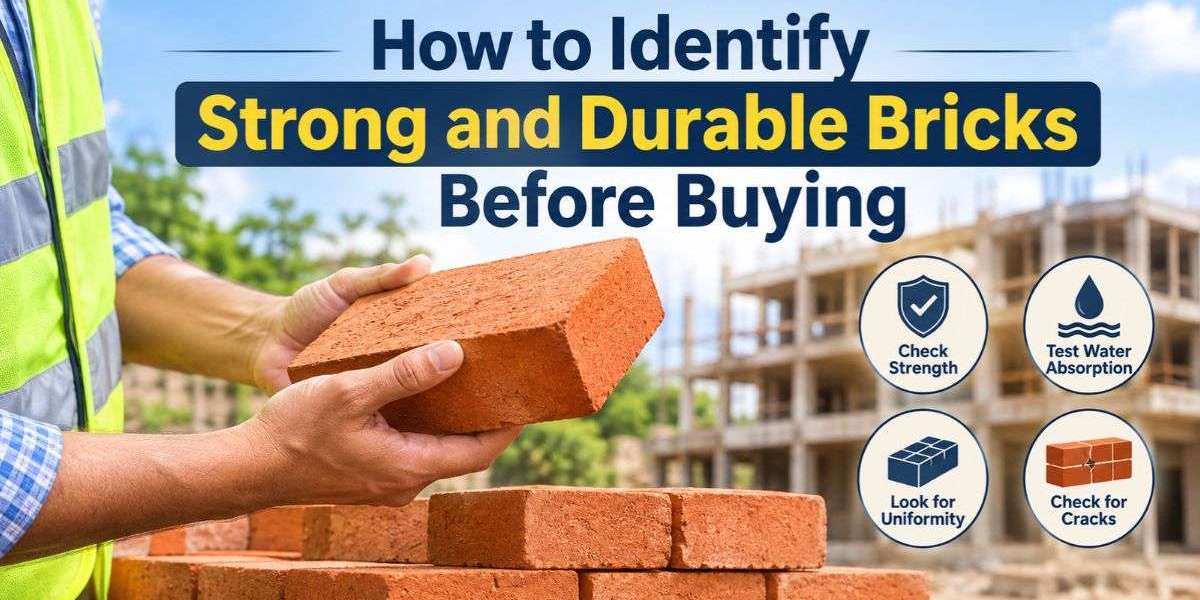

Choosing the right bricks is one of the most important decisions when planning a residential or commercial construction project. The quality of bricks can influence a building's strength, stability, appearance, and long-term performance. Many buyers consider Wire Cut Bricks in Chennai because of their uniform shape, consistent dimensions, and smooth surface finish. However, appearance alone cannot determine whether a brick is suitable for construction. Understanding a few simple quality checks can help homeowners, builders, and contractors identify durable bricks before making a purchase.
1. Examine the Shape and Dimensions of Bricks
The shape and size of a brick are among the first things buyers should examine. Quality bricks generally have uniform dimensions, straight edges, and properly formed corners. Consistency in size makes it easier for masons to arrange bricks evenly during construction.
When bricks have irregular shapes or uneven edges, maintaining consistent mortar joints can become difficult. This may affect the appearance of walls and increase the time required for masonry work. Buyers should select a few bricks from different parts of the supplied batch and compare their dimensions.
It is also useful to check whether the bricks have visible cracks, broken corners, or unwanted surface irregularities. These small inspections can help identify inconsistencies before purchasing materials in bulk.
2. Check the Colour and Surface Texture
Brick colour can provide some information about its manufacturing consistency. Well-manufactured bricks usually have a reasonably uniform colour throughout the batch. Significant variations between individual bricks may indicate differences in raw materials or firing conditions, depending on the manufacturing process.
Buyers should also pay attention to the surface texture. A good-quality brick should have a firm and reasonably even surface without excessive powdering, deep cracks, or visible damage.
For wire-cut varieties, a consistent finish and clearly defined edges are useful characteristics to examine. However, a smooth appearance alone does not guarantee strength. It is important to consider other physical properties, including hardness, water absorption, and compressive strength, before making a final decision.
3. Perform a Basic Hardness and Sound Test
Simple physical checks can help buyers understand the general condition of bricks. One commonly used method is the hardness test. Gently scratch the brick surface using a hard object and observe whether it develops deep marks or releases excessive powder. A reasonably hard surface is generally a positive indication, although this method cannot replace laboratory testing.
Another traditional method is the sound test. Gently strike two bricks against each other and listen to the sound they produce. Good-quality, well-fired bricks often produce a relatively clear ringing sound, while damaged or poorly fired bricks may produce a duller sound.
These tests are useful for preliminary inspection, but they should not be treated as scientific proof of structural strength. Buyers handling large orders should request proper test results from the manufacturer.
4. Understand Water Absorption and Moisture Resistance
Water absorption is another important factor when evaluating brick quality. Bricks that absorb excessive water may affect mortar performance and contribute to moisture-related problems in certain building conditions.
A basic water absorption check involves weighing a dry brick, soaking it in water for a specified period, and measuring its weight again. The difference between the two measurements helps determine how much water the brick has absorbed.
For accurate evaluation, buyers should refer to the applicable Indian Standard specifications and laboratory testing procedures. Water absorption requirements can vary depending on the brick classification and product type.
Checking this property is particularly useful when selecting materials for exterior walls and areas exposed to changing weather conditions. Understanding how bricks respond to moisture helps builders make more informed material choices.
5. Verify Compressive Strength and Manufacturing Quality
Compressive strength indicates how much crushing pressure a brick can withstand before failing. It is an important technical property, particularly when bricks are intended for structural applications.
Rather than relying entirely on visual inspection or traditional tests, buyers should request compressive strength test reports from suppliers. These reports provide measurable information about the product and help determine whether it meets the requirements of the intended construction work.
Manufacturing consistency also deserves attention. Differences in raw materials, production methods, and quality control can influence the final properties of bricks. Customers should ask about the manufacturing process, product specifications, and quality inspection procedures.
Comparing these details across suppliers makes it easier to understand the quality of the available products and select materials that meet project requirements.
6. Inspect the Bricks Before Placing a Bulk Order
Ordering bricks without inspecting them can lead to unexpected quality differences and material wastage. Before confirming a large purchase, buyers should examine samples from the actual production batch whenever possible.
Check for cracks, broken edges, uneven dimensions, excessive surface powder, and visible manufacturing defects. It is also helpful to ask whether the supplier can maintain consistent product specifications throughout the delivery.
Apart from quality, buyers should consider the quantity required, transportation arrangements, storage facilities, and delivery schedule. Proper storage is equally important because careless handling and exposure to unsuitable site conditions can damage bricks before they are used.
Taking time to inspect materials before placing an order helps reduce avoidable problems during construction.
Conclusion
Identifying strong and durable bricks requires more than checking their colour or appearance. Buyers should evaluate dimensions, surface quality, hardness, water absorption, and compressive strength while also reviewing manufacturing standards. Simple physical checks provide an initial understanding, whereas laboratory reports offer more reliable information about technical performance. Comparing product specifications and inspecting samples before purchasing can help maintain construction quality and reduce material wastage. By consulting experienced Wire Cut Bricks Manufacturers in Chennai, buyers can understand product specifications and select suitable bricks for their residential or commercial construction requirements.