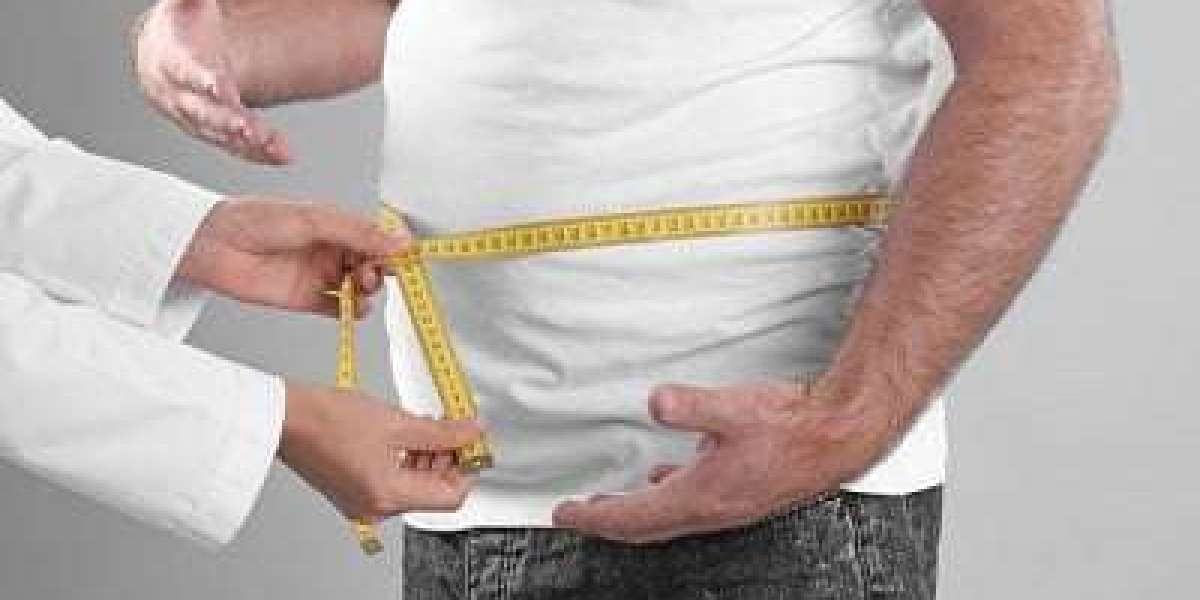

Weight management can be a different experience for women because the body goes through various hormonal, metabolic, and physical changes throughout life. Factors such as menstrual cycles, pregnancy, breastfeeding, menopause, stress, sleep patterns, and certain medical conditions can influence body weight. For this reason, women may require a more personalized approach when trying to lose excess weight and maintain a healthy lifestyle.
Understanding the available options is an important first step towards achieving sustainable results. Women exploring Weight Loss Treatment in Oman should consider their individual health requirements, lifestyle, and weight management goals before choosing a treatment approach. Medical weight management can offer valuable support, but the most appropriate method depends on each woman's medical history, current health, and personal circumstances.
1. Why Is Weight Loss Different for Women?
Although weight management involves similar basic principles for everyone, several biological factors can make the process different for women. Hormones, body composition, and life-stage changes can influence how the body stores fat, regulates appetite, and responds to dietary and exercise routines.
Hormonal Fluctuations
Oestrogen and progesterone influence several bodily functions, including appetite, fluid balance, and fat distribution. Hormonal fluctuations throughout the menstrual cycle may cause temporary bloating, changes in appetite, and variations in body weight.
These changes do not necessarily indicate an increase in body fat. In many cases, they are temporary and settle as hormone levels change.
Differences in Body Composition
Women generally have a higher proportion of body fat and a lower proportion of muscle mass than men. Since muscle tissue contributes to energy expenditure, differences in body composition can influence calorie requirements and weight management strategies.
Pregnancy and Postpartum Changes
Pregnancy naturally involves weight gain to support the developing baby. After childbirth, hormonal changes, recovery, breastfeeding, sleep deprivation, and lifestyle adjustments may influence weight management.
A gradual and medically appropriate approach is particularly important during the postpartum period.
Menopause and Ageing
During menopause, declining oestrogen levels can contribute to changes in fat distribution, particularly around the abdomen. Age-related muscle loss and changes in physical activity can also affect metabolism.
Understanding these factors helps women choose realistic weight management strategies rather than following restrictive diets that may not address their individual needs.
2. Common Reasons Women Experience Weight Gain
Weight gain is not always the result of overeating or a lack of physical activity. Several biological, medical, and lifestyle factors can contribute to changes in body weight.
Some common contributing factors include:
Polycystic Ovary Syndrome (PCOS): This hormonal condition can be associated with insulin resistance, irregular menstrual cycles, and weight management difficulties.
Thyroid Disorders: An underactive thyroid can slow certain bodily processes and contribute to weight gain, fatigue, and other symptoms.
Insulin Resistance: Reduced sensitivity to insulin can affect blood glucose regulation and may be associated with increased abdominal fat.
Stress: Persistent stress can influence appetite, food choices, and sleep quality.
Poor Sleep: Inadequate sleep may affect hunger-regulating hormones and increase cravings for calorie-dense foods.
Menopause: Hormonal changes and reduced muscle mass can influence body composition and weight distribution.
Certain Medications: Some medications used for depression, hormonal conditions, diabetes, and other health concerns may influence body weight.
Identifying the underlying cause is important because different factors may require different management strategies.
For example, a woman experiencing unexplained weight gain alongside fatigue, irregular periods, or excessive hair growth may benefit from a medical evaluation. Addressing an underlying condition can make weight management more effective and improve overall health.
3. Which Weight Loss Treatments Are Available for Women?
Women have several weight management options depending on their health conditions, body composition, and desired outcomes. The most appropriate approach generally combines healthy lifestyle habits with medical support when necessary.
Lifestyle and Nutritional Management
A balanced nutritional plan is often the foundation of effective weight management. It should provide sufficient nutrients while supporting an appropriate calorie intake.
A healthy eating pattern may include:
Fresh vegetables and seasonal fruits.
Whole grains and fibre-rich foods.
Lean protein sources such as fish, eggs, and legumes.
Healthy fats from nuts, seeds, and olive oil.
Adequate water throughout the day.
Rather than eliminating entire food groups, women generally benefit from developing balanced eating habits that can be maintained over time.
Medical Weight Management
Some women may benefit from a medically supervised weight management programme, particularly when excess weight is associated with health complications.
Such programmes may include health assessments, nutritional recommendations, physical activity guidance, behavioural support, and prescription medications when appropriate.
Prescription Weight Loss Medications
Certain approved medications can help eligible individuals manage appetite, increase feelings of fullness, or influence other processes involved in weight regulation.
However, these medicines are not suitable for everyone. Their use requires an assessment of medical history, potential contraindications, side effects, and interactions with existing medications.
Weight loss medications are generally not appropriate during pregnancy, and many are unsuitable while breastfeeding. Women planning pregnancy should discuss treatment decisions with a qualified healthcare professional.
Bariatric Procedures
For individuals with severe obesity or significant weight-related health complications, bariatric procedures may be considered when other approaches have not provided sufficient results.
These procedures require careful medical assessment and long-term nutritional monitoring. They are not cosmetic shortcuts and should only be considered when clinically appropriate.
4. How Do Hormones, Pregnancy, and Menopause Affect Weight Management?
Hormonal health plays an important role in women's weight management. Understanding how different life stages influence the body can help women establish more realistic goals.
Weight Management During Reproductive Years
During reproductive years, menstrual cycle fluctuations may influence appetite, energy levels, and water retention. Some women notice stronger cravings or temporary weight changes before menstruation.
Maintaining regular meals, adequate hydration, and consistent physical activity can help support overall health during these fluctuations.
Weight Management After Pregnancy
Postpartum weight management requires patience because the body needs time to recover after childbirth. Rapid weight loss is generally not recommended, particularly during breastfeeding.
A balanced diet, gentle physical activity when medically appropriate, and sufficient rest can support recovery. Women should seek professional advice before starting restrictive diets or weight loss medications after pregnancy.
Weight Management During Menopause
Menopause can bring changes in body composition, particularly an increase in abdominal fat and a reduction in muscle mass.
Strength training, regular walking, adequate protein intake, and balanced nutrition can help support muscle maintenance and metabolic health.
Hormone replacement therapy may be appropriate for certain menopausal symptoms, but it should not be considered a weight loss treatment. Its suitability depends on individual health risks and medical needs.
Understanding these life-stage changes allows women to select weight management approaches that support their health rather than placing unnecessary pressure on their bodies.
5. How Can Women Make Weight Loss Treatment Safe and Effective?
Safety should always be a priority when choosing a weight management programme. Women should avoid unverified products, extreme diets, and treatments that promise unrealistic results.
Several practical steps can help make the process more effective.
Start with a Health Assessment
Before beginning medical weight loss treatment, a healthcare professional may review medical history, menstrual health, pregnancy status, medications, and existing health conditions.
Depending on individual symptoms and risk factors, investigations may include thyroid function, blood glucose, cholesterol, and other relevant tests.
Set Realistic Weight Loss Goals
Gradual weight reduction is generally easier to maintain than rapid weight loss. Goals should focus on improvements in overall health, energy, physical fitness, and body composition rather than a particular number on the weighing scale alone.
Combine Nutrition with Physical Activity
Regular exercise supports cardiovascular health, muscle strength, and metabolic function.
Women may benefit from combining different activities, including:
Walking or cycling for cardiovascular fitness.
Resistance exercises to maintain muscle mass.
Stretching to improve flexibility.
Low-impact activities such as swimming or yoga.
Exercise intensity should be appropriate for individual fitness levels and medical conditions.
Prioritize Sleep and Stress Management
Sleep and emotional well-being are often overlooked aspects of weight management. Poor sleep can influence appetite and food cravings, while chronic stress may contribute to emotional eating.
A consistent sleep routine, relaxation activities, and healthy daily habits can support better weight management.
Monitor Progress Regularly
Progress should be assessed through more than body weight alone. Changes in waist measurements, energy levels, physical fitness, blood pressure, and other health indicators may also provide useful information.
Regular follow-ups help determine whether the treatment plan remains appropriate and whether adjustments are needed.
6. When Should Women Consider Professional Weight Loss Support?
Not every woman who wants to lose weight requires medical treatment. In many cases, balanced nutrition and regular physical activity are sufficient to achieve healthy progress.
However, professional support may be beneficial when weight management becomes difficult despite consistent lifestyle changes or when excess weight contributes to other health concerns.
Women may consider seeking guidance if they experience:
Persistent weight gain without an obvious explanation.
Difficulty managing weight alongside PCOS or thyroid disorders.
Weight-related concerns such as high blood pressure or type 2 diabetes.
Significant changes in body composition during menopause.
Repeated weight regain after restrictive dieting.
Difficulty developing a sustainable nutrition and exercise routine.
Professional guidance helps identify possible underlying causes and determine whether lifestyle modifications, medical treatment, or a combination of approaches would be most appropriate.
Women considering weight management services in Oman should look for evidence-based treatment options, appropriate health assessments, transparent information about potential risks, and ongoing support.
The most suitable programme should respect individual health needs and accommodate different stages of life. It should also promote long-term well-being rather than focusing exclusively on appearance.
Frequently Asked Questions (FAQs)
1. Is weight loss treatment different for women than for men?
The basic principles of weight management are similar, but women may experience additional influences from menstrual cycles, pregnancy, menopause, and hormonal conditions. Treatment plans should consider these differences to support safe and sustainable results.
2. Can women with PCOS benefit from medical weight loss treatment?
Yes. Women with PCOS may benefit from structured weight management because maintaining a healthy weight can improve certain metabolic and hormonal health indicators. Treatment may include balanced nutrition, physical activity, and medication when clinically appropriate.
3. Is weight loss treatment safe during breastfeeding?
Some lifestyle approaches, including balanced nutrition and appropriate physical activity, may be suitable during breastfeeding. However, restrictive diets and most prescription weight loss medications are generally not recommended. Medical guidance is important before starting any weight reduction programme.
4. Why does weight loss become more difficult after menopause?
Hormonal changes, reduced muscle mass, ageing, and changes in physical activity can influence weight distribution and energy requirements during menopause. Strength training, adequate protein intake, and balanced nutrition can help support healthy body composition.
5. How long does it take women to see weight loss results?
The timeline varies according to starting weight, health conditions, treatment method, metabolism, and lifestyle habits. Gradual progress is generally more sustainable, and individual results should not be compared with those of others.
6. Can women maintain their weight loss results permanently?
Long-term weight maintenance is possible, although it requires consistent habits and ongoing attention to health. Balanced eating, regular exercise, adequate sleep, and appropriate follow-up support can help reduce the likelihood of weight regain.
Final Thoughts
Weight loss treatment for women requires an understanding of the body's unique biological needs, hormonal changes, and different stages of life. Factors such as PCOS, pregnancy, menopause, stress, and thyroid health can influence weight management, making personalized care particularly important.
A balanced combination of nutrition, physical activity, medical assessment, and professional guidance can help women achieve healthier and more sustainable results. The right approach should not involve extreme restrictions or unrealistic expectations. Instead, it should focus on improving overall health, maintaining energy, supporting hormonal well-being, and building habits that can last a lifetime.
Women considering medical weight management should prioritize safety, understand the available treatment options, and choose an approach that aligns with their individual health requirements.
Read More About Weight Loss Treatment: https://loveandfitness.com/blogs/2087/4397/weight-loss-treatment-without-surgery-what-are-your-options