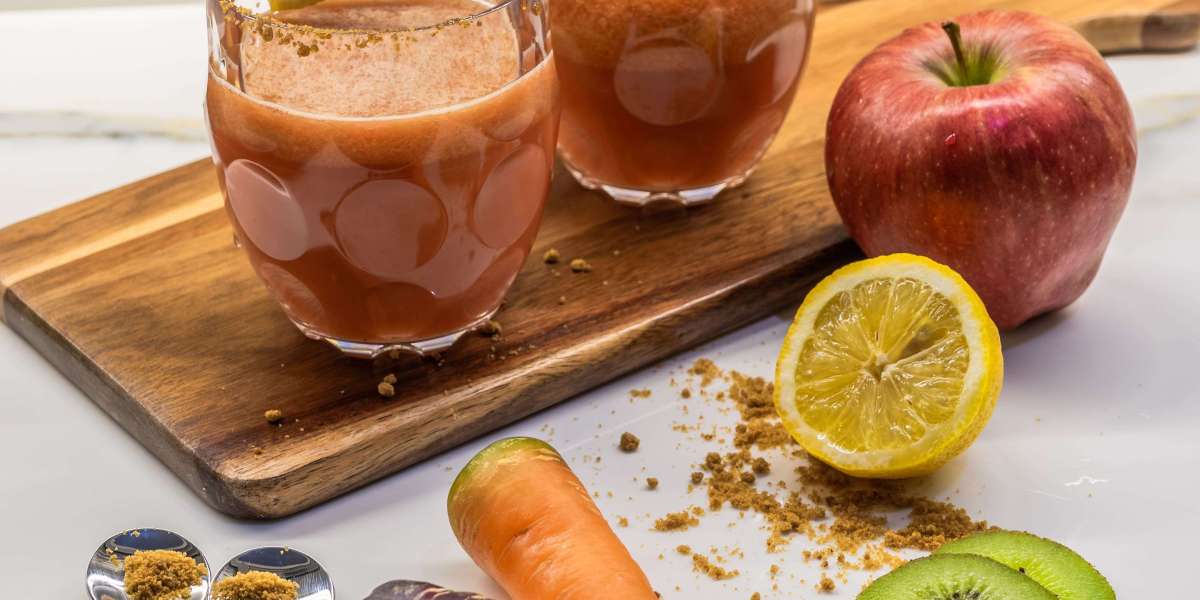

Fruit and vegetable mixed juice blends are becoming an interesting part of the modern beverage landscape. By combining different fruits and vegetables, manufacturers can create beverages that offer distinctive flavors and more variety than traditional single-ingredient juices. These products are suitable for consumers who enjoy exploring different tastes and incorporating convenient beverages into their daily routines.
The development of natural juice blend formulations provides beverage companies with opportunities to experiment with ingredients and develop recognizable product offerings. Fruit and vegetable combinations allow manufacturers to explore different sweetness levels, textures, aromas, and colors. This flexibility supports product differentiation and encourages the introduction of new beverage experiences.
Understanding Mixed Juice Blends
Mixed juice blends are beverages created by combining juice or ingredients from different fruits and vegetables. Their formulations can vary depending on the desired taste, appearance, and product characteristics.
Fruits generally contribute sweetness, acidity, and familiar flavors. Vegetables introduce additional characteristics that can make the beverage more distinctive. When combined carefully, these ingredients can create balanced products that appeal to different consumers.
For example, apple and carrot blends offer a familiar combination, while beetroot and orange mixtures introduce a different flavor experience. Pineapple can be combined with cucumber or spinach to create refreshing alternatives. Tomato-based mixtures can also provide options for consumers who prefer less conventional juice flavors.
The variety of available ingredients makes this category highly adaptable.
Ingredient Selection and Quality
Ingredient selection is a fundamental part of producing successful mixed juice beverages. Manufacturers need to consider the taste, quality, freshness, and compatibility of the ingredients they use.
The natural characteristics of fruits and vegetables can vary depending on their variety, growing conditions, maturity, and storage. These differences may influence the final flavor and appearance of the beverage.
To maintain product consistency, manufacturers must establish appropriate sourcing and quality-control practices. Raw ingredients should be evaluated before processing to ensure that they meet the required standards.
Ingredient compatibility is equally important. A strongly flavored vegetable may require a complementary fruit to achieve a balanced taste. Similarly, ingredients with different textures may require appropriate processing to produce a smooth and consistent beverage.
These considerations make formulation development an important part of manufacturing operations.
Consumer Interest in Beverage Variety
Consumers have different expectations when selecting beverages. Some prefer sweet and refreshing flavors, while others enjoy combinations that offer more complex or less familiar tastes.
Mixed juices provide opportunities to address these preferences through different formulations. Manufacturers can introduce tropical blends, citrus combinations, vegetable-focused products, and fruit-dominant beverages.
Another factor influencing consumer interest is product appearance. The natural colors of fruits and vegetables can make mixed juices visually distinctive. Attractive colors and transparent packaging can help communicate the ingredients used in a product.
Consumers also appreciate clear product descriptions. When packaging identifies the ingredients and flavor characteristics, shoppers can better understand what they are purchasing.
Manufacturing and Processing Considerations
Producing mixed juices requires attention to several manufacturing stages. Ingredient preparation, cleaning, extraction, blending, processing, filling, and packaging all contribute to the final product.
Each stage needs to be managed carefully to maintain consistency. Inadequate ingredient preparation or inconsistent blending can influence the beverage's taste and texture.
Processing methods must also be selected according to the product's characteristics. Manufacturers need to consider preservation requirements, storage conditions, and packaging compatibility.
Maintaining quality throughout distribution is particularly important. Beverages may pass through several stages before reaching retail shelves, making suitable packaging and storage practices essential.
Continuous improvements in manufacturing processes can help businesses manage these requirements while developing products that meet consumer expectations.
Branding and Packaging Opportunities
Branding is an important factor in establishing a successful mixed juice product. Manufacturers can create recognizable identities through packaging design, ingredient communication, product names, and consistent visual presentation.
Packaging should provide practical convenience while protecting the beverage. Bottles, cartons, and other suitable containers can serve different consumption occasions.
Product labels can also communicate flavor combinations and ingredient information. Clear communication helps consumers understand the beverage and distinguish it from competing products.
Sustainable packaging considerations may also influence product development. Businesses can explore packaging materials and designs that align with their operational requirements and consumer expectations.
Distribution and Business Opportunities
Mixed juices can be distributed through several channels, including supermarkets, grocery stores, convenience stores, online retailers, cafes, and restaurants.
Each channel offers different opportunities. Supermarkets provide product visibility, while convenience stores can reach consumers seeking quick refreshments. Online platforms support product discovery and direct purchasing.
Foodservice businesses can also introduce mixed juices through breakfast menus, beverage counters, and refreshment selections.
For emerging beverage companies, developing a focused product range can help establish a presence in the market. Concentrating on distinctive flavors and consistent quality may provide opportunities to build customer recognition.
Future Development of Mixed Juice Blends
The continued development of fruit and vegetable mixed juices will depend on manufacturers' ability to understand consumer preferences and deliver appealing products.
Ingredient experimentation, packaging improvements, product consistency, and clear communication are likely to remain important considerations. Brands that combine attractive flavors with dependable quality can strengthen their position within the beverage industry.
As consumers continue exploring different beverage options, mixed juice blends offer manufacturers an adaptable platform for introducing new products and creating distinctive drinking experiences.
FAQs
Q1. Which ingredients are commonly used in mixed juice blends?
Common ingredients include apples, oranges, mangoes, pineapples, carrots, tomatoes, beetroot, cucumber, and spinach. Manufacturers combine them according to the desired flavor and product characteristics.
Q2. What makes a mixed juice blend successful?
A successful blend generally requires compatible ingredients, balanced flavors, consistent quality, suitable packaging, and a product presentation that appeals to consumers.