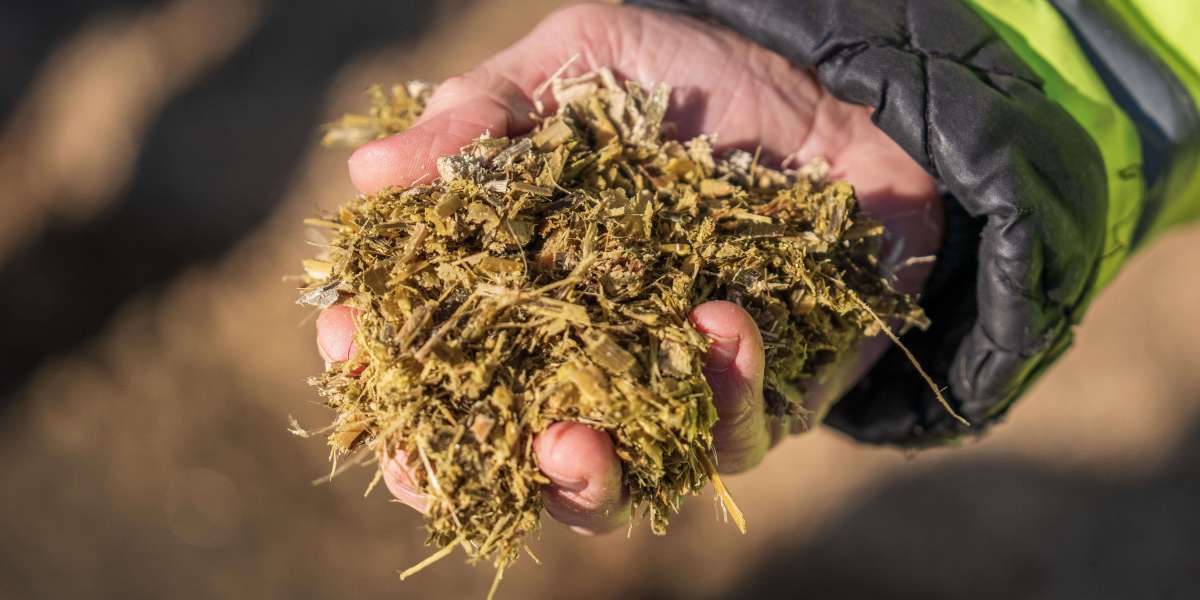

Animal farming depends heavily on the quality and nutritional composition of livestock feed. As agricultural practices continue to evolve, feed manufacturers are exploring ingredients and additives that can support better digestion and improve the utilization of available nutrients. Plant-based feed enzymes are gaining attention as part of this development because they offer opportunities to create specialized feed formulations for different livestock categories. Their growing relevance reflects the industry's interest in combining nutritional innovation with more responsible animal feeding practices.
The increasing focus on natural enzyme additives for livestock feed highlights the importance of developing effective nutritional solutions. Plant-based feed enzymes are used to support the breakdown of selected components within animal diets. By incorporating suitable enzymes into feed formulations, manufacturers can address certain digestive challenges associated with complex feed ingredients. This approach is encouraging greater interest in enzyme-based products across the animal nutrition industry.
Understanding the Role of Enzymes in Animal Farming
Enzymes are important biological substances that support different digestive processes. In animal nutrition, they help break down specific feed components into simpler substances. This process can support the availability of nutrients that animals need as part of their diets.
Different feed ingredients contain different nutritional components. Some materials may contain substances that are difficult for animals to digest without suitable enzymatic activity. Feed enzymes are therefore considered useful ingredients when developing formulations that contain a variety of plant-based materials.
Plant-based feed enzyme solutions provide manufacturers with another option for developing specialized animal nutrition products. Their application depends on the ingredients used, the livestock category, and the intended nutritional purpose.
Supporting Sustainable Feeding Practices
Sustainable animal farming involves considering the efficient use of resources throughout livestock production. Feed management is an important part of this process because feed ingredients represent a major consideration for agricultural businesses.
Enzyme-based feed additives can support strategies focused on improving the utilization of selected feed components. When incorporated appropriately, they may help animals digest certain ingredients more effectively. This can make enzyme solutions relevant to producers interested in improving feed formulation practices.
Plant-based enzyme development also aligns with broader industry discussions about natural ingredients and alternative production approaches. Feed manufacturers are examining different ways to create products that meet nutritional requirements while considering sustainability objectives.
Importance Across Different Livestock Categories
The use of plant-based feed enzymes is relevant to several areas of livestock nutrition.
Poultry producers require feed formulations that support the nutritional needs of birds throughout different production stages. Enzymes can be incorporated into selected formulations to help address the characteristics of plant-derived feed ingredients.
Swine nutrition also presents opportunities for enzyme applications. Feed manufacturers can develop formulations that consider the digestive characteristics of pigs and the composition of their diets.
For cattle and other ruminants, enzyme-related nutritional approaches may be considered alongside established feeding practices. The selection of an appropriate formulation depends on the feed materials and nutritional objectives.
These applications demonstrate why specialized enzyme development is important for the wider animal nutrition sector.
Product Development and Manufacturing Innovation
The development of plant-based feed enzymes involves several important considerations. Manufacturers need to understand the characteristics of their enzyme ingredients and determine how these products can be incorporated into different feed formulations.
Research and product development activities can focus on enzyme compatibility, formulation stability, processing conditions, and application requirements. These factors influence the suitability of products for different feed manufacturing processes.
Manufacturers are also exploring combinations of enzymes that can address multiple feed components. Such formulation approaches can provide additional flexibility when developing products for different livestock categories.
Challenges and Market Considerations
Despite growing interest, plant-based feed enzyme manufacturers need to address several challenges. Maintaining consistent product quality is important because enzyme performance can be influenced by formulation and processing conditions.
Another consideration is the need to educate livestock producers about the appropriate use of enzyme-based additives. Understanding the intended application and compatibility of products can help businesses make informed feed formulation decisions.
Ingredient availability, production methods, regulatory considerations, and customer expectations can also influence product development strategies.
Future Outlook
The future of plant-based feed enzymes will depend on continued innovation in animal nutrition and feed manufacturing. Growing interest in natural ingredients, specialized formulations, and efficient feeding practices may encourage further development of these products.
Manufacturers that focus on consistent quality, practical applications, and customer-specific nutritional requirements can explore new opportunities in this evolving industry.
Conclusion
Plant-based feed enzymes represent an important area of innovation in sustainable animal farming. Their potential role in supporting feed digestion and improving formulation flexibility makes them relevant to livestock producers and animal nutrition companies. As the agricultural sector continues to explore improved feeding strategies, enzyme-based solutions may become increasingly important.
FAQs
Q1. How do plant-based feed enzymes support sustainable animal farming?
They can support feed formulations designed to improve the breakdown and utilization of selected feed ingredients, contributing to more efficient nutritional management.
Q2. Which livestock categories can use plant-based feed enzymes?
They can be considered in feed formulations for poultry, swine, cattle, and other livestock, depending on the enzyme type and nutritional requirements.