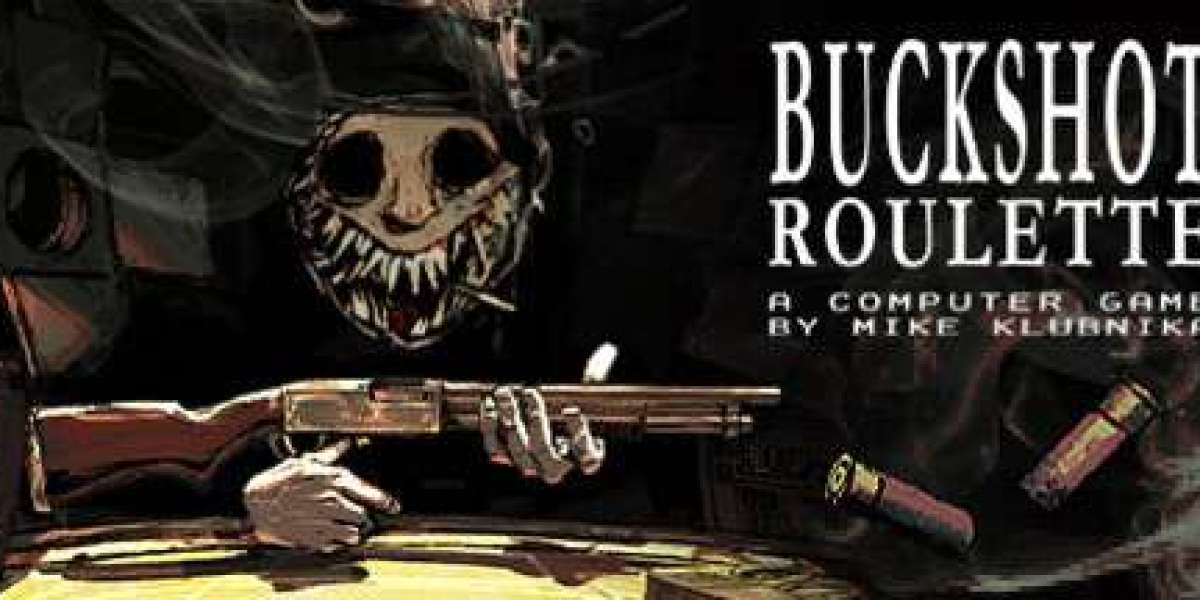

Some games rely on quick reflexes; others make every decision feel like a gamble. Buckshot Roulette belongs to the second group. It’s a tense, turn-based game built around a simple but unsettling idea: a shotgun is loaded with a mix of live and blank shells, and you have to decide what to do without knowing exactly what comes next.
The game’s dark setting and dramatic presentation add to the suspense, but the appeal isn’t just its atmosphere. Each round asks you to weigh risk, watch the other player, and make the best use of limited tools. If you enjoy strategy mixed with chance, Buckshot Roulette is an intriguing game to explore.
Gameplay
A typical round pits you against an opponent across a table. The shotgun is loaded with a known number of live and blank shells, though their order is hidden. Players take turns choosing how to use the gun, and each shot can change who acts next and how much danger they’re in.
The central choice is often whether to target your opponent or yourself. A shot at the opponent may deal damage if it’s live. A blank can be useful too: when fired at yourself, it may let you keep your turn, giving you another chance to act. But guessing wrong can quickly put you at a disadvantage.
Items add another layer to the decisions. Depending on the round, you may find tools that reveal information, alter a shell, or affect a player’s options. They’re best treated as part of your plan rather than buttons to press immediately. A small advantage can matter a lot when only a few shells remain.
Tips for New Players
Track what has been used. Pay attention to the number of live and blank shells in each load. You won’t always know the exact order, but keeping a rough count helps you make better guesses.
Think about turn order. Before taking a shot, consider what happens afterward. A move that seems safe on its own may hand your opponent a strong opportunity—or keep you in control for one more action.
Use items with a purpose. Information is most useful when it can change your decision. Save a revealing tool for a moment when knowing the next shell would affect your choice, and consider how other items might work together.
Don’t expect certainty. The game is designed around incomplete information, so even a careful choice can go badly. Treat each round as a chance to learn how the mechanics work, not as a puzzle with one guaranteed solution.
Take your time. The tension can make you rush, but pausing to review the shells, items, and possible outcomes often helps more than acting on instinct.
Conclusion
Buckshot Roulette turns a handful of hidden shells into a compact game of nerve and judgment. Its rules are easy to grasp, while the shifting odds and item choices keep each encounter interesting. For a first playthrough, focus on learning the rhythm, tracking what you can, and accepting that luck is part of the experience.