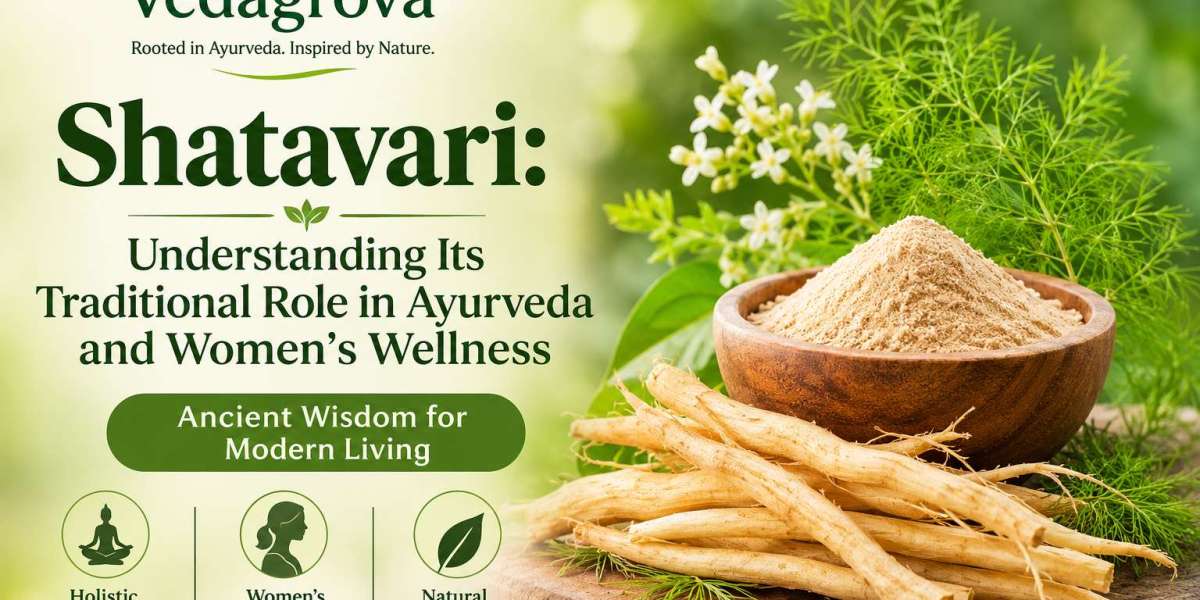

Ayurveda has a long history of using plant-based ingredients as part of traditional approaches to health and well-being. Among these ingredients, Shatavari holds a particularly important position. Known for its traditional association with women's wellness, this climbing plant has been used in Ayurvedic preparations for generations. Its botanical name is Asparagus racemosus, and it is commonly recognised for its tuberous roots, which are used in many traditional formulations.
Today, growing interest in natural wellness has encouraged people to learn more about herbs such as Shatavari. While traditional knowledge provides valuable cultural and historical context, it is equally important to understand the available scientific evidence and safety considerations. Vedagrova connects with this interest in Ayurvedic wellness by encouraging consumers to explore traditional ingredients and make informed lifestyle choices.
What Is Shatavari?
Shatavari is a climbing plant belonging to the asparagus family. It grows in different parts of India and other regions of Asia. The plant is recognised by its delicate leaves, small flowers, and clusters of roots.
Its roots are the most commonly used part in traditional Ayurvedic preparations. The name Shatavari is often associated with women's health in traditional Ayurvedic literature, although its traditional applications are not limited to women.
Shatavari is available in several forms:
Shatavari root powder
Shatavari capsules and tablets
Shatavari liquid extracts
Shatavari-based herbal formulations
Traditional preparations combining Shatavari with other ingredients
The composition and concentration of these products can vary according to the preparation method and manufacturer.
Shatavari in Traditional Ayurvedic Practices
Shatavari has been valued in Ayurveda for its traditional association with nourishment, vitality, and reproductive wellness. It is commonly discussed in the context of women's health, particularly in traditional preparations intended to support different stages of life.
In Ayurvedic descriptions, Shatavari is traditionally considered a nourishing herb. Its roots have been used in different formulations and dietary preparations.
Modern research has examined Shatavari for its naturally occurring plant compounds, including steroidal saponins and other phytochemicals. These compounds have attracted scientific interest, but further high-quality human research is needed to establish specific health benefits.
Vedagrova encourages consumers to understand both the traditional background and modern research surrounding herbal ingredients rather than relying only on popular claims.
Potential Wellness Properties of Shatavari
Shatavari has a long history of traditional use, particularly in discussions about women's wellness. However, it is important to distinguish traditional applications from benefits that have been established through clinical research.
1. Traditionally Associated with Women's Wellness
Shatavari is widely recognised in Ayurveda for its traditional association with women's reproductive health.
It has historically been included in preparations intended to support women's wellness during different life stages. Some preliminary research has explored its potential effects on hormonal and reproductive health.
However, available clinical evidence remains limited. Shatavari should not be considered a proven treatment for menstrual irregularities, infertility, menopause symptoms, or other medical conditions.
2. Contains Naturally Occurring Plant Compounds
Shatavari roots contain several naturally occurring compounds, including steroidal saponins, flavonoids, and other phytochemicals.
Researchers have studied these compounds to understand their possible biological activities. Their presence contributes to the plant's scientific interest, but it does not independently establish a particular health outcome.
3. Traditionally Used in Nourishing Preparations
In traditional Ayurvedic practices, Shatavari is often included in nourishing herbal preparations.
Its roots may be processed into powders or combined with other ingredients. These preparations reflect the traditional approach of using plant-based ingredients as part of broader wellness routines.
Consumers should remember that a nourishing traditional preparation is not a substitute for a balanced diet or appropriate medical care.
4. Studied for Antioxidant Properties
Certain compounds found in Shatavari have been investigated for antioxidant activity, particularly in laboratory research.
Antioxidants are substances that help protect cells against oxidative damage. A varied diet containing fruits, vegetables, nuts, and other plant foods is a practical way to obtain different antioxidant compounds.
More human research is needed to understand the specific effects of Shatavari preparations.
5. Interest in General Herbal Wellness
Shatavari is also included in herbal formulations marketed for general wellness.
Its traditional reputation has contributed to its popularity among people interested in Ayurvedic ingredients. However, product quality, composition, and individual suitability should always be considered before use.
Why Is Shatavari Commonly Discussed in Women's Wellness?
One of the main reasons Shatavari receives attention is its long-standing association with women's health in Ayurveda.
Traditional preparations have included Shatavari in discussions about reproductive wellness, nourishment, and different stages of a woman's life.
Modern consumers may come across Shatavari products marketed for menstrual comfort, menopause, or lactation. However, marketing claims should not be confused with established medical evidence.
For example, although some early studies have investigated Shatavari in relation to menopausal symptoms and lactation, the available evidence is not strong enough to recommend it as a proven treatment for these concerns.
Women experiencing persistent menstrual problems, fertility concerns, menopause symptoms, or difficulties with breastfeeding should consult a qualified healthcare professional rather than relying on supplements alone.
Different Ways Shatavari Is Available
The growing interest in Ayurvedic wellness has made Shatavari available in different forms.
1. Shatavari Root Powder: The dried roots are processed into powder and used in traditional preparations. Consumers should follow the product instructions and seek professional guidance about suitability.
2. Shatavari Capsules: Capsules offer a convenient format for people who prefer not to consume herbal powders. Check the amount of Shatavari per serving and the complete ingredient list.
3. Shatavari Tablets: Tablets are another commonly available format. Their composition can vary between manufacturers.
4. Shatavari Liquid Extracts: These preparations may contain concentrated plant extracts. The extraction method and concentration should be clearly explained on the label.
5. Combined Herbal Formulations: Shatavari may be combined with other botanical ingredients in traditional formulations. Check every ingredient before purchasing or using such products.
The best format depends on individual preferences, product quality, intended use, and professional advice.
How to Choose Quality Shatavari Products
Selecting herbal products requires attention to more than packaging and promotional claims. Consumers should understand what they are purchasing and whether the product is suitable for their needs.
Consider these points:
Ingredient details: Check whether the product contains Shatavari root powder or an extract.
Composition: Review the complete list of ingredients and their quantities.
Manufacturing information: Look for clear manufacturer details and applicable quality standards.
Product instructions: Read the recommended use and storage directions.
Packaging: Ensure the packaging is sealed and in good condition.
Expiry date: Check the manufacturing and expiry information.
Quality transparency: Prefer brands that provide clear and accessible product information.
Making informed decisions can help reduce the risk of choosing products based only on exaggerated marketing claims.
Safety Considerations Before Using Shatavari
Although Shatavari has a long history of traditional use, this does not mean every preparation is suitable for everyone.
Some people may experience digestive discomfort or allergic reactions. Individuals with known allergies to asparagus or related plants should exercise caution.
People who are pregnant, breastfeeding, taking regular medication, or managing hormone-sensitive medical conditions should consult a qualified healthcare professional before using Shatavari supplements. Evidence about its safety during pregnancy and breastfeeding is limited, and it should not be self-prescribed for these purposes.
Herbal supplements may also vary in strength, purity, and composition. Avoid replacing prescribed medication with traditional preparations without medical advice.
Responsible use involves understanding the product, checking its ingredients, and considering individual health circumstances.
Vedagrova: Exploring Traditional Ayurvedic Wellness
Interest in herbal wellness continues to grow as people explore traditional ingredients and their place in modern lifestyles. Shatavari is one of several botanicals that have remained important in Ayurvedic discussions for generations.
Vedagrova connects with this interest in traditional herbal knowledge and Ayurvedic wellness. The brand encourages consumers to explore familiar botanical ingredients such as Shatavari, Amla, Neem, Tulsi, and Moringa while paying attention to product information and responsible choices.
Understanding an ingredient's background, traditional applications, and limitations is an important part of developing a thoughtful approach to wellness.
Everyday Habits for Supporting Women's Well-Being
Herbal ingredients should be considered only as one possible part of a broader lifestyle. Everyday habits play an important role in maintaining overall well-being.
Here are some practical habits to consider:
Eat balanced meals with sufficient protein, fibre, vitamins, and minerals.
Include a variety of fruits and vegetables in your diet.
Stay hydrated throughout the day.
Maintain regular physical activity.
Prioritise adequate sleep and recovery.
Make time for relaxation and stress management.
Attend recommended health check-ups.
Seek professional guidance before starting new supplements.
A consistent approach to nutrition, movement, sleep, and preventive healthcare can support long-term well-being.
Conclusion
Shatavari is an important botanical ingredient in traditional Ayurveda, particularly because of its long-standing association with women's wellness. Its roots contain naturally occurring plant compounds that continue to attract scientific interest. However, many commonly promoted health claims still require stronger clinical evidence.
Vedagrova encourages a balanced understanding of traditional herbal ingredients and their place in modern wellness. By learning about Shatavari, reviewing product information, and seeking professional advice when necessary, consumers can make more responsible decisions about herbal products.
Explore Vedagrova to learn more about Ayurvedic and herbal wellness and discover how traditional botanical knowledge can complement a thoughtful, balanced lifestyle.