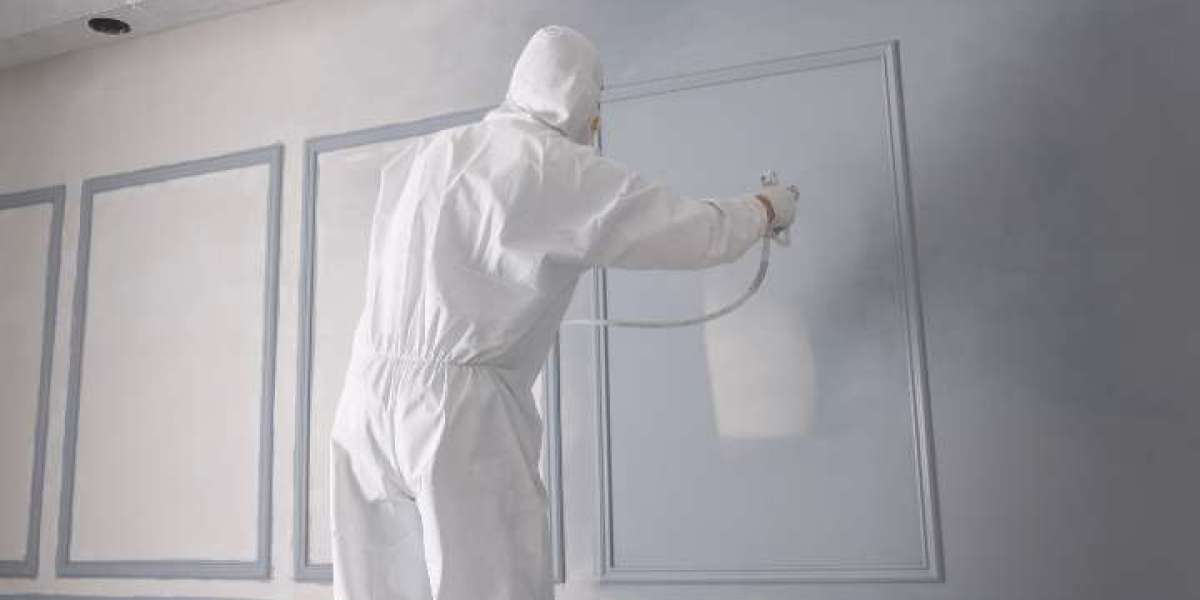

Starting a home painting project requires careful planning to achieve a neat, durable and attractive finish. From selecting suitable colours to preparing walls and choosing the right professionals, every detail can influence the final result. Professional residential repainting can help refresh interior and exterior spaces while improving the overall appearance of a property. Before getting started, consider these eight important factors to make the project more organised and successful.
1. Assess the Condition of Existing Surfaces
Before applying fresh paint, inspect the walls, ceilings and other surfaces carefully. Look for peeling paint, cracks, stains, mould and damaged sections that may require attention.
Identify Necessary Repairs
Addressing existing surface problems before painting helps create a smoother finish. Depending on the condition, surfaces may need sanding, filling, cleaning or other preparation work.
2. Choose Suitable Paint Colours
Colour selection plays an important role in creating the desired atmosphere throughout a home. Consider the size of each room, natural lighting, furniture and existing interior features before making a decision.
Consider the Overall Appearance
Neutral shades can create a simple and timeless look, while deeper colours can introduce character. Testing sample colours under different lighting conditions can help avoid unexpected results.
3. Select the Appropriate Paint Finish
Different paint finishes offer different visual effects and practical characteristics. Matte, satin and semi-gloss finishes may be suitable for different areas depending on their use and maintenance requirements.
Match Finishes to Room Requirements
Consider how frequently each surface is touched or cleaned. Areas such as hallways, kitchens and bathrooms may require finishes that are easier to maintain.
4. Establish a Realistic Project Budget
Planning your budget beforehand helps manage expenses and prevents unexpected financial pressure during the project. Consider paint, materials, surface preparation, labour and any additional repair requirements.
Allow for Unexpected Expenses
Some surfaces may require more preparation than initially expected. Keeping a reasonable allowance for additional work can help maintain better control over the overall budget.
5. Consider Weather Conditions
Weather conditions are particularly important when repainting exterior areas. Rain, humidity, strong sunlight and temperature fluctuations can affect paint application and drying.
Plan Exterior Painting Carefully
Choose suitable weather conditions and follow the paint manufacturer's recommendations. Allowing adequate drying time between coats helps achieve a consistent finish.
6. Prepare the Property Before Painting
Proper preparation helps protect household belongings and makes the painting process more organised. Remove movable furniture, cover flooring and protect fixtures that should remain untouched.
Organise Each Painting Area
Clear access to walls and other surfaces allows painting professionals to work efficiently. Arranging temporary storage for furniture and personal belongings can also reduce disruption.
7. Choose Experienced Painting Professionals
Selecting suitable professionals is an important part of achieving quality results. Look for painters with relevant experience, appropriate insurance and a clear understanding of residential painting requirements.
Discuss Project Expectations
Before work begins, discuss the project scope, preparation requirements, paint selection and expected timeframe. Clear communication helps ensure everyone understands the planned work.
8. Plan the Project Timeline
A residential repainting project may affect everyday household activities, particularly when multiple rooms are involved. Establishing a realistic schedule helps minimise inconvenience and allows sufficient time for preparation and drying.
Coordinate Work Around Daily Activities
Consider which rooms need to be completed first and whether certain areas can remain accessible during the project. Proper scheduling makes it easier to manage household routines throughout the painting process.
Frequently Asked Questions
1. How Often Should a House Be Repainted?
The repainting frequency depends on surface conditions, paint quality, weather exposure and general maintenance. Inspecting painted areas regularly helps identify when refreshing is necessary.
2. Should Walls Be Cleaned Before Repainting?
Yes. Cleaning removes dust, grease and surface contaminants that may interfere with paint adhesion. Any damaged areas should also be repaired before painting begins.
3. How Do I Choose the Right Paint Colour?
Consider room size, lighting, existing furniture and the atmosphere you want to create. Testing colour samples before making a final decision can help.
4. Can a House Be Repainted During Rainy Weather?
Interior painting may be possible depending on indoor conditions. However, exterior painting should generally be scheduled during suitable weather to allow proper application and drying.
5. Why Is Surface Preparation Important Before Repainting?
Surface preparation helps create an even base for paint application. It also addresses imperfections and supports a cleaner, more consistent finish.