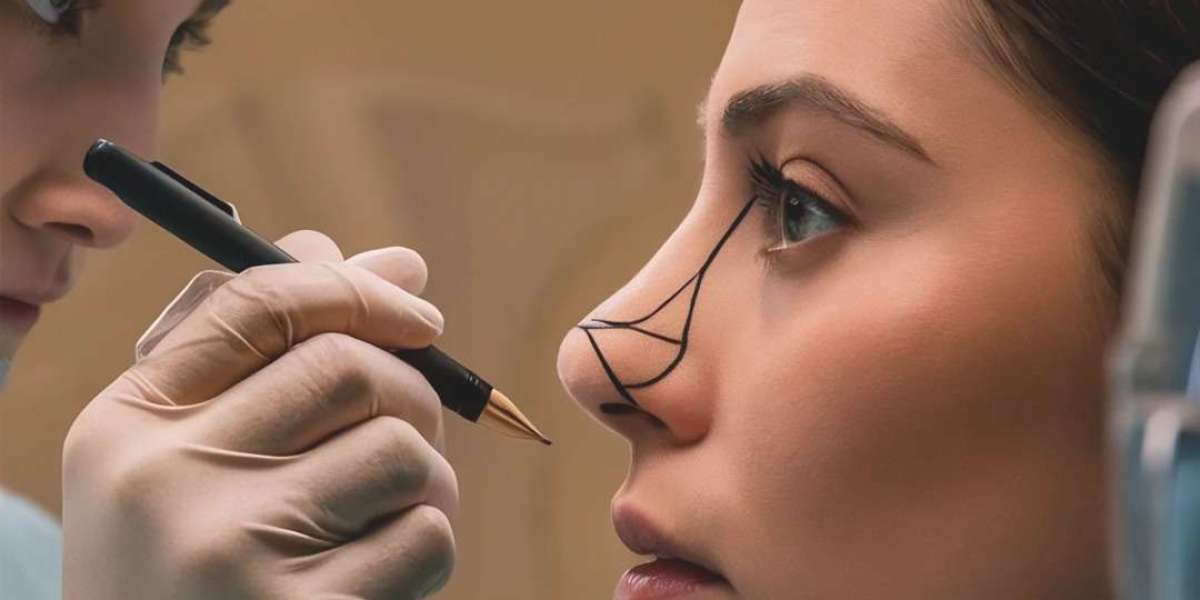

Refining your nose should enhance your natural facial harmony rather than erasing the heritage that makes your face uniquely yours.
Introduction
Ethnic rhinoplasty is an individualized surgical philosophy that refines nasal proportions while intentionally preserving the patient's cultural, familial, and anatomical identity. When patients explore Rhinoplasty in Islamabad, many want to smooth a prominent dorsal hump, refine a wide nasal tip, or balance nostril width without ending up with an overly pinched, artificial, or Westernized nose that clashes with their eyes, cheekbones, and jawline. Rather than forcing every face toward a single standardized template, an experienced plastic surgeon adapts surgical techniques to respect thicker sebaceous skin, distinct cartilage strength, and natural facial proportions. This tailored approach ensures that post-surgical results look authentic, balanced, and harmonious across South Asian, Middle Eastern, Central Asian, and diverse ancestral backgrounds.
Why Do Standardized Surgical Templates Fail Diverse Facial Structures?
Early cosmetic surgery standards were built largely around narrow Northern European nasal proportions—featuring thin skin, rigid cartilage, and narrow nostril bases. Applying those exact reduction formulas to South Asian or Middle Eastern patients often creates unnatural disharmony: an overly scooped bridge looks out of place beside expressive eyes and full lips, while aggressive cartilage removal beneath thicker skin leads to tip collapse or boxy scar fullness. Modern plastic surgery rejects one-size-fits-all ideals in favor of proportional balance—measuring nasal width against intercanthal eye distance and aligning bridge height with forehead and chin projection.
What Anatomical Traits Are Common in South Asian and Regional Noses?
Across Islamabad, Rawalpindi, and surrounding regions, patients present with rich anatomical diversity ranging from high, prominent dorsal bridges to flatter radix areas paired with fuller, softer nasal tips. Two structural features appear frequently in clinical practice: moderately thick, oil-gland-rich skin over the nasal tip, and softer, more pliable lower lateral cartilages. Because heavy tip skin exerts downward and inward pressure during healing, surgeons must avoid stripping away natural cartilage support. Instead, structural reinforcement builds a firm, well-defined internal frame capable of showing clean contours gracefully through thicker skin.
How Do Surgeons Build Tip Definition Without Creating a Pinched Look?
Achieving refined tip definition under thicker nasal skin requires structural support rather than aggressive tissue removal. The surgeon uses precision dome-binding sutures to gently narrow wide tip cartilages while preserving natural curve and width, then places a carved septal cartilage columellar strut to support tip projection. When a patient primarily seeks refinement of a rounded or drooping lower nose while keeping their native bridge character intact, a tailored nose tip plasty refines tip clarity without erasing natural facial identity. Keeping tip angles balanced—typically around 95 to 105 degrees for women and 90 to 95 degrees for men—prevents an overly upturned appearance.
When Is Nostril Base Reduction Used to Balance Facial Width?
In many patients, wide or flared nostrils at the base of the nose draw more attention than the upper bridge itself, especially when smiling. If the nostril width extends noticeably beyond the inner corners of the eyes, conservative alarplasty can bring the lower nose into harmonious alignment with the eyes and mouth. Surgeons remove tiny, precisely measured wedges of tissue tucked cleanly inside the natural crease where the nostrils meet the cheeks, preserving the natural rounded curve of the alar rim so the nostrils never look triangular or tight.
How Does Ethnic Rhinoplasty Address Prominent Dorsal Bridges Naturally?
Many regional patients have a distinct bump on the upper or middle bridge alongside a slightly drooping tip. Rather than carving out a deep, scooped "ski-slope" profile that looks obviously operated on, surgeons smooth the dorsal hump conservatively to create a straight or very gently contoured bridge line. Straightening the profile while giving the tip subtle upward support balances the entire face without sacrificing natural strength and character. Preserving appropriate bridge height also keeps eyeglasses resting comfortably and protects internal nasal valve airflow.
How Do Key Principles Compare Between Standardized and Heritage-Preserving Surgery?
Reviewing the differences between outdated reduction habits and modern heritage-preserving planning highlights why individualized care matters:
| Surgical Principle | Outdated One-Size-Fits-All Approach | Heritage-Preserving Ethnic Approach |
| Aesthetic Goal | Mimic a single narrow, upturned template | Harmonize nasal proportions with existing facial features |
| Cartilage Handling | Heavy excision that weakens tip and airway walls | Conservative reshaping plus structural cartilage struts |
| Skin Thickness Strategy | Treats all skin as thin; risks post-op fullness | Builds firm underlying support to project through thick skin |
| Bridge Profile | Often creates an overly scooped, artificial curve | Maintains a strong, natural straight or gently refined line |
| Nostril Base Work | Over-narrowing that restricts breathing and looks tight | Subtle alar base alignment matching intercanthal eye width |
Understanding these distinctions reassures patients that refining specific concerns will never erase their recognizable self.
How Does Swelling Resolution Differ in Thicker Nasal Skin?
Patients with thicker, sebaceous nasal skin should prepare for a slightly longer timeline before crisp tip definition emerges completely. While under-eye bruising and bridge swelling subside within two to three weeks—allowing a comfortable return to work and social gatherings—soft tissue edema at the nasal tip settles gradually over 12 to 18 months. Following postoperative taping routines, avoiding salty foods early on, and attending scheduled follow-up checks help fluid drain evenly as the skin redrapes smoothly over its new framework.
How Should You Communicate Your Cultural and Aesthetic Preferences at Consultation?
During your consultation, be candid about which parts of your nose you like and want to keep unchanged alongside the specific features you wish to refine. Pointing out whether you want to preserve your bridge height, keep a natural tip angle, or simply soften a prominent hump helps the surgeon calibrate every millimeter of adjustment. Reviewing your own profile photographs together allows the surgeon to demonstrate how conservative, proportional refinements enhance your overall face while honoring your natural identity.
Frequently Asked Questions
Does ethnic rhinoplasty use different surgical incisions than standard nose surgery?
No, it uses the exact same open or closed surgical incisions; the difference lies in the surgeon's aesthetic judgment, proportional measurements, and structural grafting techniques tailored to your anatomy.
Will my family and friends still recognize me after ethnic nose reshaping?
Yes, when refinements are proportioned to your eyes, lips, and jawline, people typically notice that your face looks more balanced and harmonious while remaining unmistakably you.
Is cartilage grafting commonly needed in ethnic rhinoplasty?
Often, yes—using small grafts from your own nasal septum (or ear cartilage if needed) provides sturdy tip projection and bridge support that holds its shape cleanly beneath thicker skin.
Can ethnic rhinoplasty also fix a deviated septum and breathing trouble?
Yes, straightening a crooked internal septum and reinforcing internal nasal valves are routinely combined with external aesthetic refinement in the same procedure.
How do surgeons prevent visible scars when narrowing wide nostrils?
Incisions are placed directly inside the natural shadow crease where the nostril meets the cheek and closed with fine sutures, fading into a barely visible line within several months.
Final Thoughts
Ethnic rhinoplasty celebrates the principle that beauty thrives in harmony rather than uniformity. By respecting thicker skin dynamics, reinforcing delicate tip cartilages, and tailoring bridge and nostril proportions to fit your unique facial heritage, a qualified plastic surgeon can refine specific concerns while preserving the identity you value. Honest conversation during your consultation ensures your surgical plan reflects both anatomical wisdom and personal authenticity.
About the doctor and clinic: Medically reviewed by Dr. Ahmed Ali, Plastic and Reconstructive Surgeon Dr. Ahmed Ali completed his MBBS at Ayub Medical College and his FCPS in Plastic Surgery, followed by clinical fellowship training in Plastic Surgery at Fauji Foundation Hospital Rawalpindi from 2020 to 2023. He practices at Glamorous Aesthetics Clinic (Glam Aesthetics), an IHRA-licensed clinic in Islamabad.
Clinic: Glamorous Aesthetics Clinic (Glam Aesthetics)
Address: Office 20-21, Basement, Interlace Plaza, I-8 Markaz, Islamabad
Phone / WhatsApp: +92 327 5479779
Email: info@glamaesthetics.com.pk
Timings: Open 24 hours, Monday to Sunday
Consultation: Free — Book now