
Choosing new Réparation Portes Coulissantes is one of the few home upgrades that changes how a room looks, feels and performs on the same day. A good door floods a living room with daylight, opens the house to the garden or balcony, and keeps heat in during a Belgian winter. A poor choice does the opposite: it leaks air, collects condensation and becomes a daily annoyance.
This guide walks you through the decisions that matter most when buying sliding doors in Brussels: frame material, glazing, opening style, security, energy performance, installation and rules that may apply to your building. It draws on what we see when we inspect, repair and replace doors in apartments, townhouses and detached homes across the region.
Start With How You Live, Not With a Catalogue
Before comparing products, answer a few simple questions. They narrow the choice faster than any brochure.
- Where will the door be fitted? A street-facing apartment terrace, a rear garden and an upper-floor balcony each place different demands on noise insulation, security and weather resistance.
- How often will it be used? A door opened a dozen times a day needs better rollers and hardware than one used on summer weekends.
- What is the opening like? Measure the width and height, and note any steps, thresholds or uneven floors. Older Brussels houses are rarely perfectly square.
- What is your priority? Energy savings, view, security, low maintenance or budget? You rarely get all five at the top level, so decide what comes first.
Frame Materials: Strengths and Trade-offs
Aluminium
Aluminium frames are slim, strong and available in many colours, which makes them popular for large glass areas and modern extensions. Choose a frame with a proper thermal break, an insulating barrier inside the profile. Without one, aluminium conducts cold and can attract condensation. Maintenance is light: periodic cleaning and a check of seals and rollers.
PVC (uPVC)
PVC frames offer good insulation at a moderate price and do not need painting. They suit many apartments and family homes. The profiles are generally bulkier than aluminium, so the glass area is slightly smaller, and very large panels may need reinforcement. Colour choices are wider than they used to be, but still more limited than aluminium.
Wood and wood-aluminium
Timber gives a warm, traditional look that suits period maisons de maître and may be preferred where facade appearance is regulated. It needs regular painting or staining and attentive care in Brussels' damp climate. Wood-aluminium combines a timber interior with an aluminium exterior and reduces upkeep, at a higher price.
Glazing: Where Most of the Performance Comes From
Glass is the largest part of a sliding door, so its quality shapes comfort and energy bills more than almost anything else.
- Double glazing is the usual minimum for a home today. Triple glazing improves insulation further and suits very exposed or north-facing doors, though it adds weight and cost.
- Low-emissivity coatings reflect heat back into the room in winter and reduce unwanted solar gain in summer.
- Warm-edge spacers between panes reduce cold bridging and the risk of condensation at the edges.
- Laminated or toughened glass improves safety. Laminated glass also helps with security and noise.
- Solar control glass is worth considering for south- or west-facing doors that overheat in summer.
Ask for the performance figures for the complete door, not just the glass. The key value is the U-value: the lower it is, the better the door insulates.
Opening Styles: Sliding, Lift-and-Slide and More
Standard sliding doors run on rollers and suit smaller and medium openings. Lift-and-slide systems raise the panel slightly off the track when you operate the handle, which allows very large, heavy panels to move with one finger and then seal tightly when closed. They cost more but are often worth it for wide openings. Pocket doors disappear into the wall for an uninterrupted opening, but require structural planning. Multi-panel and corner systems can open an entire corner of a room, and need careful planning of the floor and ceiling supports.
Security: What to Look For
Sliding doors are a recognised point of entry for burglars, so security features deserve attention, not just styling.
- Multi-point locking that engages the frame at several heights
- Anti-lift devices that stop the panel being raised out of its track
- Laminated glass, which resists forced entry better than standard glass
- A lockable handle, preferably on both the inside and outside where appropriate
Check whether your insurer sets any requirements for doors or locks, as conditions vary between policies.
Energy Performance and Comfort in the Belgian Climate
Brussels has mild but damp winters and variable summers, so a door must handle both. Look for a low U-value, good airtightness and a well-fitted threshold that prevents drafts and water ingress. Remember that the door is only as good as its installation: even the best product leaks if it is fitted badly. For questions about regional energy performance rules or renovation premiums, check the current information from Brussels Environment (Bruxelles Environnement / Leefmilieu Brussel) or your commune, since schemes and conditions change over time.
Rules and Permissions
Replacing a sliding door with a similar one is usually straightforward, but changing the size or appearance of the opening, or working on a building in a protected area or listed property, may need a permit. If you live in an apartment building, check the rules of the co-ownership (copropriété / mede-eigendom), because the facade and common parts are often subject to shared decisions. Ask your installer what applies to your case, and confirm with your commune before ordering.
Installation: The Step That Decides Everything
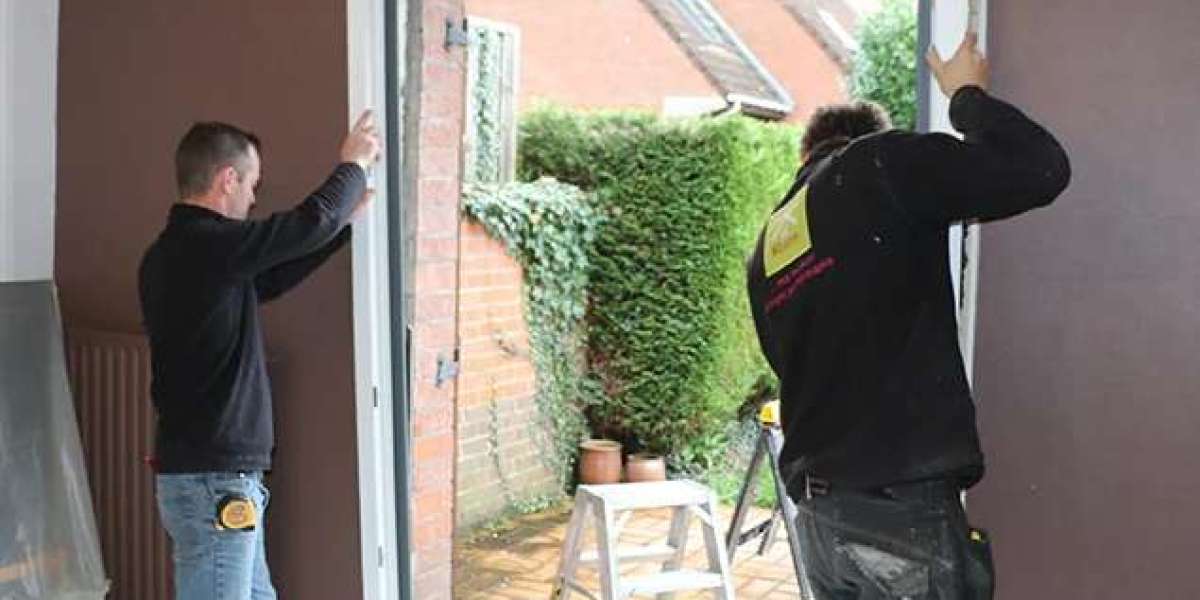
A well-built door can still perform badly if it is poorly installed. A good installer will measure on site, check that the opening is level and plumb, prepare the sill and threshold to drain water away, seal the joint between frame and wall properly, and test the door for smooth movement, closing and locking before leaving. Ask how long the work will take, how waste is removed and whether the interior finishes around the opening are included.
Budget: What Influences the Price
The cost depends mainly on the size of the door, frame material, glazing specification, opening system and installation conditions. Lift-and-slide systems, triple glazing and special finishes raise the price, while standard sizes and PVC frames generally cost less. Request itemised quotes from at least two or three installers and compare like for like: same glass, same hardware, same warranty. Be careful with an unusually low offer, which can hide thinner profiles, basic hardware or a rushed installation.
Repair or Replace? A Quick Reality Check
Not every troublesome door needs replacing. Worn rollers, tired seals and misaligned locks can often be fixed at a fraction of the cost of a new door. Replacement makes more sense when the frame is corroded or warped, when glazing units have failed and the frame is poor, or when the door is decades old and no longer insulates properly. A reputable company will give you an honest comparison, rather than pushing you toward the more expensive option.
How to Choose a Reliable Supplier and Installer
- A registered business with a Belgian enterprise number (BCE/KBO)
- Real examples of previous work and genuine customer reviews
- Clear written quotes and contract terms
- Liability insurance and a written warranty on both product and installation
- Willingness to explain options in French, Dutch or English
- A local after-sales service for adjustments and repairs
Frequently Asked Questions
How long do sliding doors last? With regular care, quality sliding doors often last 25 years or more. Rollers, seals and locks are wear parts that may be replaced several times in that period.
Are sliding doors as energy efficient as hinged doors? Modern sliding doors with good frames, glazing and seals can perform very well. Performance depends on the product and installation rather than on the opening style alone.
What size can a sliding door be? Panels can be very large, especially with lift-and-slide systems, but the maximum depends on the system, glass weight and structure. Your installer should confirm limits for your opening.
How long does installation take? A single standard door can often be fitted in a day, while larger or more complex projects take longer. Ask for a timeline in your quote.
Do I need to maintain a new door? Yes, lightly. Clean the track regularly, keep the drainage slots clear, lubricate moving parts and check seals each year to protect your investment and your warranty.
Final Thoughts
The best sliding doors are not the most expensive ones, but the ones matched to your home, your climate and the way you live. Take time to define your priorities, compare complete specifications rather than headline prices, and choose an installer you trust. A careful decision now means decades of light, comfort and easy living.