
Moisture control is an important part of many industrial operations, especially in industries where even a small amount of water vapor can affect product quality, equipment performance, and production efficiency. In applications involving gases, compressed air, and industrial processes, accurate moisture monitoring helps businesses maintain stable operating conditions. Modern measurement instruments make it possible to detect very low moisture concentrations and identify changes before they create serious problems. Understanding how moisture analysis works, where it is used, and what features matter when selecting an instrument can help industries improve reliability and maintain consistent results.
What Is Moisture Analysis in Industrial Environments?
Moisture analysis is the process of measuring the amount of water vapor present in a gas or other industrial environment. Although moisture may seem harmless in small quantities, it can cause corrosion, contamination, chemical reactions, and performance issues in sensitive systems. Industries that handle natural gas, compressed air, specialty gases, and chemical products often need reliable monitoring to maintain the required moisture levels.
Accurate analysis provides information about the condition of a process and helps operators identify unwanted moisture before it affects production. Depending on the application, measurements may be expressed as dew point, parts per million (ppm), or other moisture-related values. These measurements allow technical teams to compare actual conditions with process requirements and take corrective action when necessary.
How Does a Trace Moisture Analyzer Work?
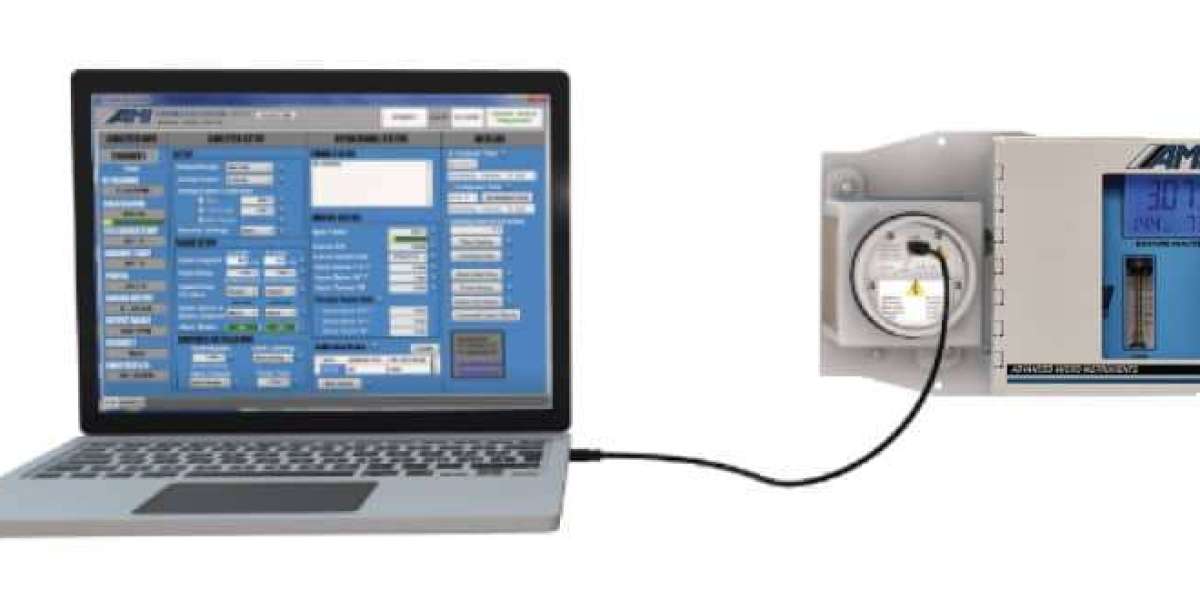
Trace moisture analyzer instruments are designed to detect extremely small concentrations of water vapor in gases and industrial systems. They use specialized sensing technologies to identify moisture and convert the detected signal into readable measurement data. Depending on the instrument design, the technology may include moisture-sensitive sensors, chilled mirror systems, or other measurement methods.
The sensor comes into contact with a controlled gas sample and responds to the amount of moisture present. The instrument processes this response and displays the result through a digital interface or monitoring system. Some models also provide alarms, data recording, and communication features that allow operators to track moisture conditions over time.
Measurement accuracy depends on several factors, including sensor technology, calibration, sampling arrangements, and operating conditions. Proper installation and maintenance are therefore essential for obtaining reliable results.
Why Accurate Moisture Monitoring Matters
Moisture monitoring is important because unwanted water vapor can affect both products and industrial equipment. In gas processing, excessive moisture may contribute to corrosion, hydrate formation, and operational interruptions. In manufacturing environments, moisture can influence chemical reactions, product stability, and the performance of sensitive materials.
A reliable monitoring system helps operators identify changes in moisture levels quickly. This allows maintenance teams to investigate potential problems before they lead to costly downtime or equipment damage. Continuous monitoring can also support quality assurance by providing measurement records that demonstrate whether a process is operating within its required limits.
For facilities with strict production standards, accurate readings are not simply a technical advantage. They are an important part of maintaining consistent operations and reducing unnecessary risks.
Common Industrial Applications of Trace Moisture Measurement
Moisture measurement is used across a wide range of industrial sectors. Each application has different requirements depending on the gas composition, operating pressure, temperature, and acceptable moisture concentration.
In natural gas processing, monitoring helps determine whether gas meets moisture specifications before transportation or further treatment. Excessive water vapour can create difficulties in pipelines and processing equipment, making reliable measurement an important part of gas quality management.
Compressed air systems also require moisture monitoring. Water vapour can affect pneumatic tools, production machinery, and sensitive manufacturing processes. Measuring moisture levels helps operators evaluate the performance of air dryers and identify when maintenance may be required.
Chemical and petrochemical facilities use moisture measurement to maintain controlled conditions during production. Certain chemical processes are sensitive to water, so even low concentrations may influence product quality or process stability. Similar requirements exist in pharmaceutical production, electronics manufacturing, and specialty gas applications.
Choosing the Right Instrument for Your Facility
Selecting a suitable moisture measurement instrument requires an understanding of the application rather than simply comparing specifications. Different processes may require different measurement ranges, response times, sensor technologies, and installation arrangements.
The expected moisture concentration should be one of the first considerations. An instrument must be capable of measuring within the range required by the process. Its accuracy and repeatability should also match the facility's quality and operational requirements.
Gas compatibility is another important factor. Some gases may affect sensor materials or create measurement challenges, so it is essential to confirm that the selected instrument is suitable for the gas being monitored. Operating pressure, temperature, and sampling conditions should also be considered before installation.
Calibration requirements, maintenance needs, display options, and data communication features can influence long-term performance. Facilities that need continuous monitoring may benefit from instruments with alarm functions and integration options for existing control systems.
Installation and Maintenance for Reliable Results
Correct installation is essential for accurate moisture measurement. Sampling lines should be suitable for the gas being tested and should minimise the possibility of contamination or moisture entering the sample. Poorly selected tubing, leaking connections, or unsuitable filters can affect readings and create misleading results.
Operators should follow the manufacturer's installation instructions and ensure that the sample reaches the sensor under appropriate conditions. Sampling systems may need to be checked regularly for leaks, blockages, and contamination. These checks help maintain consistent measurement performance.
Calibration is equally important. Over time, sensor performance may change due to operating conditions, exposure to contaminants, or normal aging. Following a suitable calibration schedule helps confirm that readings remain within acceptable limits. Keeping maintenance records also makes it easier to identify recurring issues and plan servicing activities.
Benefits of Modern Moisture Measurement Technology
Modern instruments provide several advantages for industrial facilities. Digital displays make readings easier to understand, while data logging helps teams review moisture trends and investigate changes in process conditions. Alarm functions can notify operators when moisture levels move beyond predefined limits.
Some systems can also communicate with plant monitoring equipment, allowing moisture information to become part of a wider process control strategy. This can improve visibility across operations and support faster responses when unusual conditions occur.
Reliable measurement may also help reduce unnecessary maintenance. When operators have accurate information about moisture levels, they can make more informed decisions about dryers, filters, and other equipment. This supports better resource management and helps maintain production efficiency.
Understanding the Importance of Consistent Measurement
A single moisture reading can provide useful information, but monitoring trends over time offers a more complete picture of process performance. Gradual changes may indicate that a dryer is losing efficiency, a sampling line has developed a problem, or operating conditions have shifted.
Consistent measurement allows technical teams to compare current results with historical data and identify unusual patterns. It also helps facilities evaluate whether process adjustments are producing the expected results.
For industries that depend on dry gases or controlled moisture conditions, maintaining a dependable measurement routine can support product quality, equipment protection, and operational stability.
Conclusion
Moisture control plays an essential role in industrial environments where water vapor can influence equipment reliability, product quality, and process efficiency. A suitable measurement instrument helps operators detect low moisture concentrations, monitor changing conditions, and maintain processes within established limits. By selecting the right technology, following proper installation practices, and maintaining a regular calibration schedule, facilities can improve measurement reliability and reduce moisture-related risks. Consistent monitoring ultimately supports safer, more efficient, and more dependable industrial operations.