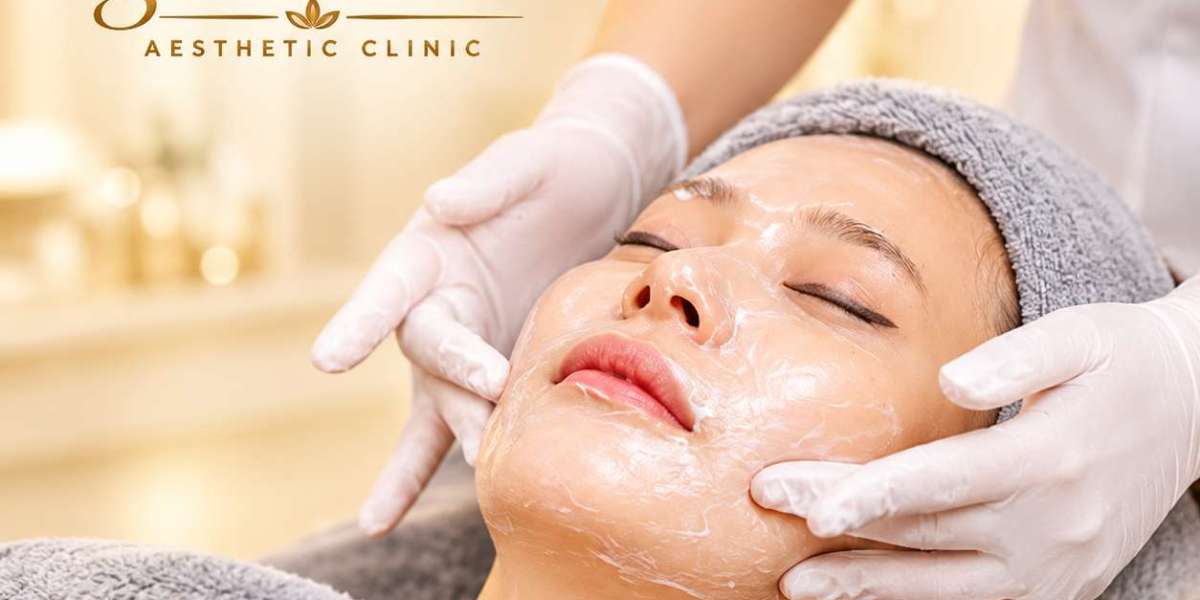

Skin whitening treatments are commonly used to improve uneven skin tone, reduce dark spots, and address pigmentation concerns. These treatments may involve topical creams, chemical peels, laser procedures, or other dermatological techniques designed to create a brighter and more even complexion. However, some people experience increased skin sensitivity after treatment.When considering Skin Whitening in Islamabad, it is important to understand how different procedures affect the skin and whether they can cause temporary or long-term sensitivity. Knowing the possible side effects can help individuals choose suitable treatments and protect their skin throughout the process.
How Do Skin Whitening Treatments Affect the Skin?
Skin whitening treatments work through different methods to reduce excess melanin, the pigment responsible for skin colour. Some products contain ingredients that slow down melanin production, while professional procedures target pigmentation or encourage the removal of damaged surface skin cells.Although these approaches can improve the appearance of dark spots and uneven skin tone, they may also affect the skin's natural protective barrier.For example, chemical exfoliation can remove layers of dead skin cells, while certain active ingredients may increase skin turnover. When the protective barrier becomes temporarily weakened, the skin may react more strongly to sunlight, skincare products, heat, and environmental irritants.
Can Skin Whitening Treatments Cause Skin Sensitivity?
Yes, certain skin whitening treatments can cause temporary sensitivity, particularly when strong ingredients or intensive procedures are used. The likelihood depends on the treatment method, skin type, product concentration, and individual skin condition.People with naturally sensitive skin may experience stronger reactions than those with normal or less reactive skin.
Common signs of increased sensitivity include:
Redness or irritation after treatment.
Burning or stinging sensations.
Dryness and excessive skin tightness.
Itching or mild inflammation.
Increased reactions to skincare products.
Greater sensitivity to sunlight.
These symptoms are not always a sign of serious complications. However, persistent irritation, swelling, blistering, or severe discomfort should be evaluated by a qualified dermatologist.
Which Skin Whitening Treatments Can Increase Sensitivity?
Different treatments carry different levels of sensitivity risk. Understanding their effects can help individuals make informed decisions.
Chemical Peels
Chemical peels use exfoliating acids to remove damaged outer skin cells and improve pigmentation. Depending on their strength, they can cause temporary redness, peeling, dryness, and sensitivity.Superficial peels generally involve shorter recovery periods, while deeper peels may require more extensive aftercare. Using strong exfoliating products too soon after a peel can increase irritation.
Laser Skin Whitening Treatments
Laser procedures target pigmentation using controlled light energy. Although they can help improve certain pigmentation concerns, some individuals experience temporary redness, swelling, warmth, or sensitivity.Incorrect settings or unsuitable treatment choices can increase the risk of burns, pigmentation changes, and skin irritation. Professional assessment is essential before undergoing laser treatment.
Skin Whitening Creams
Certain skin-lightening creams contain active ingredients that reduce melanin production or encourage skin renewal. Ingredients such as retinoids and exfoliating acids may cause dryness, redness, and peeling, particularly when introduced too quickly.Products containing unregulated ingredients, including mercury or inappropriate strengths of topical steroids, can cause serious skin problems. These should be avoided unless a qualified medical professional has specifically prescribed a suitable medication.
Who Is More Likely to Experience Skin Sensitivity?
Not everyone responds to skin whitening treatments in the same way. Some individuals have a higher likelihood of experiencing irritation because of their existing skin condition or skincare habits.People with naturally sensitive skin, eczema, rosacea, or a weakened skin barrier may be more vulnerable to treatment-related reactions.
Other contributing factors include:
Using multiple active skincare ingredients together.
Having recently undergone chemical peels or laser procedures.
Applying products more frequently than recommended.
Excessive sun exposure without protection.
Choosing treatments without professional assessment.
Individuals with darker skin tones should also receive appropriate pigmentation assessment because inflammation can sometimes lead to post-inflammatory hyperpigmentation.
How Can You Prevent Skin Sensitivity After Skin Whitening?
Following proper aftercare is essential for maintaining skin health and reducing irritation after treatment. A dermatologist may recommend a personalised skincare routine depending on the procedure and individual skin condition.Some useful precautions include:
Use gentle skincare products: Choose mild cleansers and fragrance-free moisturisers to avoid unnecessary irritation.
Apply sunscreen regularly: Broad-spectrum SPF 30 or higher helps protect the skin from ultraviolet radiation. Reapply as directed, especially when spending time outdoors.
Avoid harsh exfoliation: Do not use scrubs, strong acids, or retinoids until your skin has recovered and your practitioner confirms they are safe to restart.
Keep the skin moisturised: A suitable moisturiser helps support the skin barrier and reduce dryness.
Follow professional instructions: Avoid experimenting with additional whitening products or repeating treatments more frequently than recommended.If irritation develops, stop using suspected irritating products and seek professional advice, especially if symptoms are severe or worsening.
How Long Does Skin Sensitivity Last After Treatment?
The duration of skin sensitivity depends on the treatment method and the individual's healing response. Mild redness or dryness after a superficial procedure may settle within a few days.More intensive treatments, including stronger chemical peels and certain laser procedures, may require a longer recovery period. During this time, the skin may remain sensitive to sunlight, heat, and active skincare ingredients.If sensitivity does not gradually improve or becomes more severe, a dermatologist should examine the skin to identify the underlying cause and recommend appropriate treatment.
When Should You Consult a Skin Specialist?
Professional consultation is important before choosing any skin whitening procedure. A qualified dermatologist can assess your skin type, identify the cause of pigmentation, review your medical and skincare history, and recommend an appropriate treatment.You should also seek medical advice if you experience persistent burning, severe redness, unusual pigmentation changes, swelling, or blistering after a procedure.At Glam Smile Clinic, individuals can seek professional guidance about available aesthetic treatments and suitable approaches to improving skin appearance. Choosing a treatment based on individual skin needs rather than following general beauty trends can help reduce unnecessary risks.
Conclusion
Skin whitening treatments can cause temporary skin sensitivity, particularly when strong products, chemical peels, or laser procedures affect the skin's protective barrier. Symptoms may include redness, dryness, itching, and increased reactions to sunlight or skincare products. However, the level of sensitivity varies depending on the treatment method and individual skin condition.Proper assessment, suitable treatment selection, gentle skincare, and consistent sun protection can help minimise unwanted reactions. Before starting any procedure, consult a qualified skin specialist to understand the potential benefits and risks. With appropriate professional guidance and aftercare, individuals can work towards a more even complexion while protecting their skin's overall health.