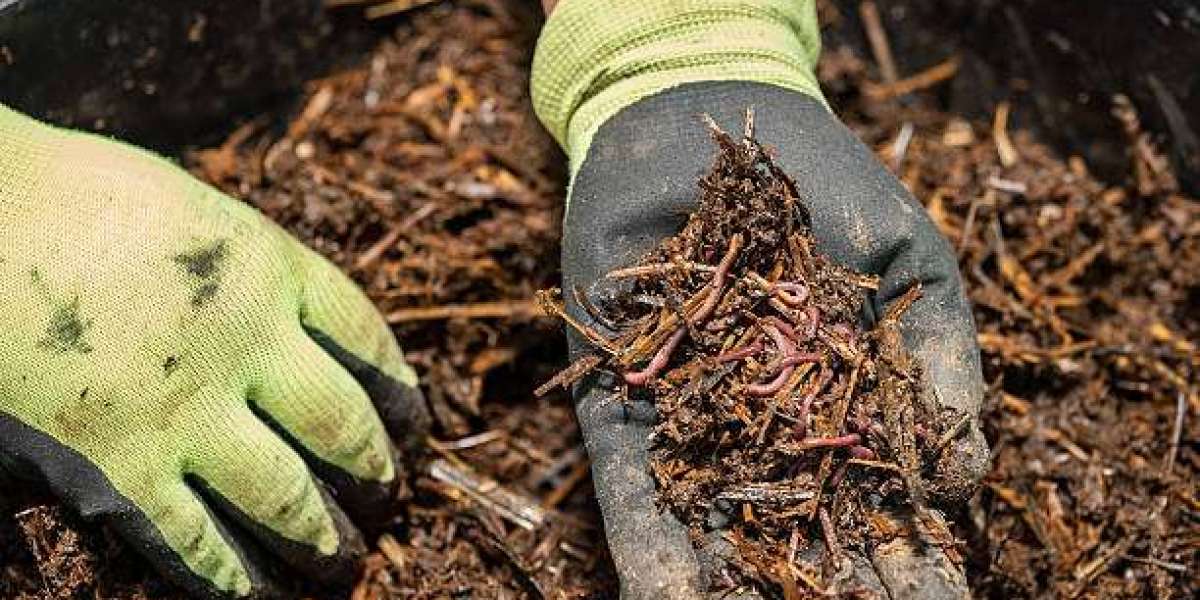

European nightcrawlers are popular among composters, worm growers, and fishing enthusiasts because of their larger size and versatility. However, keeping them healthy requires more than providing food and water. The bedding inside a worm bin plays an important role in maintaining moisture, airflow, and a comfortable living environment.
If you are raising pure European nightcrawler worms, choosing suitable bedding can make a noticeable difference in how well your colony settles and develops. The right materials help prevent compaction, maintain consistent moisture, and provide an environment where worms can feed and move comfortably.
Why Is Bedding Important for European Nightcrawlers?
Bedding is much more than material placed at the bottom of a worm bin. It serves as the worms' living environment and can also become a food source as organic materials gradually break down.
European nightcrawlers (Eisenia hortensis, also known in some references as Dendrobaena veneta) benefit from bedding that remains moist but allows sufficient airflow. If the material becomes too wet or compacted, oxygen movement can decrease and the bin may develop unpleasant odors.
Good bedding should have three important qualities:
Moisture retention: It should hold enough water to prevent worms from drying out.
Air circulation: Loose material creates spaces that allow oxygen to move through the bin.
Organic structure: Suitable organic materials provide a comfortable habitat and gradually decompose.
Best Bedding Materials for European Nightcrawler Worms
A combination of different materials often works better than relying on a single bedding ingredient. Each material contributes different properties to the worm bin.
Shredded Cardboard
Shredded corrugated cardboard is one of the most practical bedding options. It absorbs moisture, creates air pockets, and breaks down gradually.
Tear or shred clean, uncoated cardboard into smaller pieces. Soak it in water, squeeze out the excess, and loosen the pieces before placing them in the bin. Avoid cardboard with heavy coatings, plastic layers, or chemical contamination.
Coconut Coir
Coconut coir is made from coconut fiber and is valued for its ability to retain moisture. It can help maintain consistent dampness throughout the bedding.
Hydrate compressed coir before use and mix it with cardboard or another material that provides structure. Using too much fine coir by itself can create a dense bedding layer, so keeping the mixture loose is important.
Gardeners comparing ready-made options can explore the worm bedding and food collection at Meme's Worms, which includes products intended for different worm-keeping needs.
Aged Leaves and Leaf Mold
Partially decomposed leaves can make excellent bedding because they resemble the organic material found in natural worm habitats.
Shredded, aged leaves help create a loose mixture and introduce organic matter as they continue breaking down. Use leaves that are free from pesticides and chemical treatments. Mixing them with cardboard or coir can help prevent the bedding from becoming compacted.
Aged Organic Compost
Well-aged compost can be added in moderate amounts to introduce decomposed organic matter and beneficial microorganisms. It should be fully matured rather than actively heating.
Avoid fresh manure or unfinished compost because decomposition can generate heat and ammonia that may harm worms.
How Deep Should European Nightcrawler Bedding Be?
European nightcrawlers can use deeper bedding than many surface-oriented composting worms. A deeper setup provides more room for movement and helps create a more stable environment.
For a dedicated European nightcrawler bin, approximately 8–12 inches of loose bedding is a useful starting range. The ideal depth depends on the container, colony size, and management system.
Avoid pressing the bedding down tightly. It should remain fluffy enough for air and moisture to move through the material.
Maintaining the Right Moisture Level
Moisture is one of the most important factors in successful worm keeping. European nightcrawlers need damp bedding because worms breathe through their skin, but excessively wet conditions can restrict airflow.
A simple squeeze test helps check moisture:
Take a handful of prepared bedding.
Squeeze it firmly.
The material should remain damp and hold its shape.
Only a few drops of water should come out.
If water streams from the bedding, it is too wet. If it feels dry and dusty, add a little water and mix thoroughly.
Check moisture regularly, especially when the bin is exposed to changing temperatures.
A Ready-Made Bedding Option for European Nightcrawlers
Preparing bedding at home is affordable, but it requires choosing and mixing suitable materials. Gardeners who prefer a prepared option can also consider commercial bedding formulated for a particular worm variety.
Meme's Worms offers European Nightcrawler Food and Bedding, described on its product page as a ready-to-use bedding and food source for European nightcrawlers. Check the current availability and product instructions before purchasing.
The best choice depends on your setup, budget, and preference for preparing bedding yourself or using a premixed product.
Common Bedding Mistakes to Avoid
Even good materials can cause problems when they are prepared incorrectly. Avoid these common mistakes:
Overwatering: Waterlogged bedding reduces airflow and can create unpleasant conditions.
Compacting materials: Pressing bedding down too firmly limits air movement.
Using fresh manure: Unfinished manure may heat up during decomposition.
Adding too much food: Excess food can rot and create odors before worms consume it.
Ignoring dry areas: Uneven moisture can make parts of the bin unsuitable for worms.
For more practical information about feeding, bin conditions, and general care, read the European nightcrawler care guide.
Frequently Asked Questions
What is the best bedding for European nightcrawler worms?
A mixture of shredded cardboard, aged leaves, and hydrated coconut coir is a practical choice. It provides moisture retention while helping maintain airflow and bedding structure.
Can European nightcrawlers live in coconut coir?
Yes. Hydrated coconut coir can be used as bedding, especially when mixed with cardboard or other materials that prevent excessive compaction.
How often should European nightcrawler bedding be changed?
Bedding does not need to be replaced on a fixed schedule. Add fresh material as the existing bedding breaks down, and refresh the bin when it becomes heavily compacted or unsuitable.
How wet should European nightcrawler bedding be?
It should feel like a wrung-out sponge. The bedding should be evenly damp but should not release a stream of water when squeezed.
Can I use regular garden soil as worm bedding?
A small amount of suitable soil can be added, but garden soil alone is usually not an ideal bin bedding material because it can become dense and compacted. Organic bedding provides better moisture control and airflow.
Conclusion
The best bedding for pure European nightcrawler worms is moist, loose, breathable, and rich in suitable organic material. Shredded cardboard, coconut coir, aged leaves, and mature compost can all contribute to a comfortable worm-bin environment when prepared correctly.
Rather than focusing on one perfect ingredient, aim for a balanced mixture that retains moisture without restricting airflow. Maintain suitable conditions, avoid overfeeding, and monitor the bedding regularly. With a properly prepared habitat and consistent care, European nightcrawlers can settle into their bin and remain a productive part of a well-managed worm system.