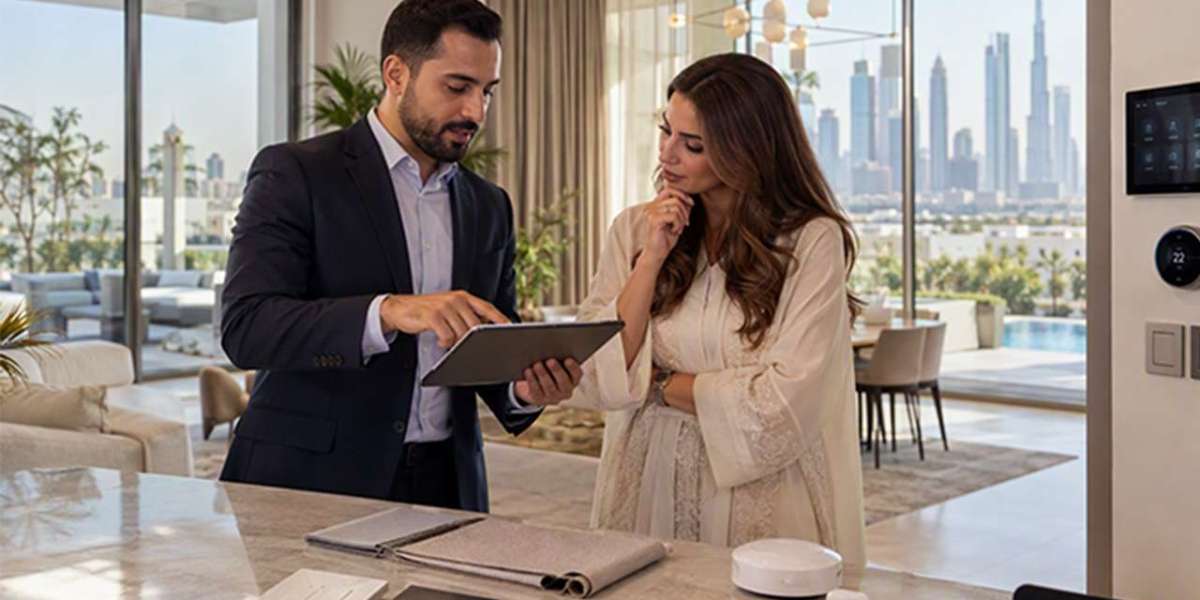

A modern training room needs the right equipment to make learning clear, simple, and comfortable. AV integration companies in dubai often work with businesses to understand how audio, video, displays, and control systems can support different training needs. The right setup helps trainers share information, show presentations, play videos, and communicate with people in the room or joining online.
Before choosing equipment, it is important to understand the size of the room, the number of people, and the type of training being provided. A small meeting room may need a basic display and speaker system, while a large training room may require multiple screens, microphones, cameras, and advanced audio equipment.
1. Interactive Displays for Better Learning
An interactive display is useful in modern training rooms because it allows trainers to explain information in a clear way. Instead of using only a traditional projector or whiteboard, trainers can display presentations, write notes, highlight important points, and open different learning materials directly on the screen.
These displays are helpful for both small and large training groups. Participants can understand information more easily when they can see diagrams, videos, charts, and written instructions.
When selecting an interactive display, consider the screen size, picture quality, touch response, and connection options. The display should also support commonly used devices such as laptops and tablets.
2. Projectors and Large Screens
Projectors are another important part of a training room setup. They allow trainers to show presentations, videos, and other learning materials on a large screen. This is especially useful when many people need to view the same information from different seats.
The projector should have enough brightness for the room. If the training room receives natural light from windows, a brighter projector may be needed to keep the images clear.
Screen size is also important. A screen that is too small can make it difficult for people sitting at the back to read the content.
Some training rooms use large LED displays instead of projectors. These displays can provide clear images and work well in rooms where controlling natural light is difficult.
3. Microphones for Clear Communication
Good audio is important because participants need to hear the trainer without difficulty. A poor microphone setup can make training sessions uncomfortable, especially when the room has many people.
There are different types of microphones that can be used depending on the room layout and training style.
Wireless microphones: Allow trainers to move around the room freely.
Lapel microphones: Can be attached to clothing and are useful for presentations.
Handheld microphones: Work well for group discussions and questions.
Ceiling microphones: Can capture voices from different areas of the room.
The choice depends on the room size, number of participants, and type of activities. Proper microphone placement also helps reduce unwanted noise and improve voice quality.
4. Speakers and Audio Systems
Speakers help distribute sound across the training room. Every participant should be able to hear the trainer, videos, and online meeting participants clearly.
For a small room, a simple speaker system may be enough. Larger rooms may need multiple speakers placed around the space to provide even sound coverage.
It is also important to choose speakers that match the room size. Speakers with too little power may produce weak sound, while poorly placed powerful speakers can create uncomfortable noise levels.
A good audio system should provide clear speech and balanced sound. It should also work properly with microphones, computers, video conferencing systems, and other connected devices.
5. Video Conferencing Cameras
Many companies now conduct training sessions with both in-person and remote participants. A video conferencing camera helps connect these groups and allows people joining online to see the trainer and other activities.
For a modern training room, the camera should provide clear video and cover the main presentation area.
Some useful camera options include:
PTZ cameras that can move, tilt, and zoom.
Wide-angle cameras that cover more of the room.
Auto-tracking cameras that follow the active speaker.
Conference cameras designed for smaller meeting spaces.
The camera should be placed at a suitable height and angle. This helps remote participants see the trainer naturally instead of looking at an unclear or awkward view.
6. Video Conferencing and Collaboration Systems
A training room may also need video conferencing software and hardware to support online learning. These systems help trainers communicate with people who cannot attend in person.
Platforms such as Microsoft Teams and Zoom are commonly used for online meetings and training sessions.
A suitable collaboration system should support screen sharing, audio communication, video calls, and content sharing. It should also allow trainers to connect laptops and other devices without complicated steps.
Before selecting a system, check whether it works with the software already used by the company. This can help avoid connection problems during training sessions.
7. AV Control Systems
An AV control system helps manage different devices from one central point. Without a proper control system, trainers may need to operate the projector, speakers, microphones, and displays separately.
A simple control panel or touch screen can make this process easier. Users can turn equipment on or off, adjust volume, select display sources, and manage other functions from one place.
For example, a trainer may need to switch from a laptop presentation to a video conferencing session. A well-planned control system can make this change easier and reduce technical interruptions.
The control system should be simple enough for regular users to operate without needing technical support for every session.
8. Wireless Presentation and Screen Sharing
Wireless presentation systems allow trainers to share content from laptops, tablets, and smartphones without connecting several cables.
This is useful when different trainers use the same room. Instead of changing cables each time, users can connect their devices through a supported wireless sharing system.
A good wireless presentation solution should provide stable connections, simple device pairing, and support for commonly used operating systems.
It is also important to check network performance because a weak wireless connection can cause delays or interruptions during presentations.
9. Network and Connectivity Equipment
Modern training rooms depend on stable network connections. Video conferencing, wireless presentations, online learning platforms, and cloud-based training materials all need reliable internet access.
The network should support the number of connected devices expected during a session. This includes laptops, smartphones, displays, cameras, and other connected equipment.
Network switches, wireless access points, and suitable cabling may be needed depending on the room design.
Planning connectivity in advance can help prevent common problems such as slow screen sharing, interrupted video calls, and unstable wireless connections.
10. Planning the Right AV Setup for a Training Room
Choosing AV equipment should begin with understanding how the training room will be used. A room designed for presentations may need different equipment from one used for group discussions, practical demonstrations, or online training.
Consider the following points before selecting equipment:
Room size: Check the space available for displays, speakers, and cameras.
Number of users: Select equipment that supports the expected number of participants.
Training activities: Understand whether the room will be used for presentations, discussions, or video calls.
Ease of use: Choose systems that trainers can operate without difficulty.
Future requirements: Allow space for additional equipment and technology upgrades.
Planning these details can help businesses avoid unnecessary equipment purchases and make better use of their training spaces. Comparing different solutions from AV integration companies in dubai can also help businesses understand which equipment is suitable for their room size, training activities, and technical requirements.