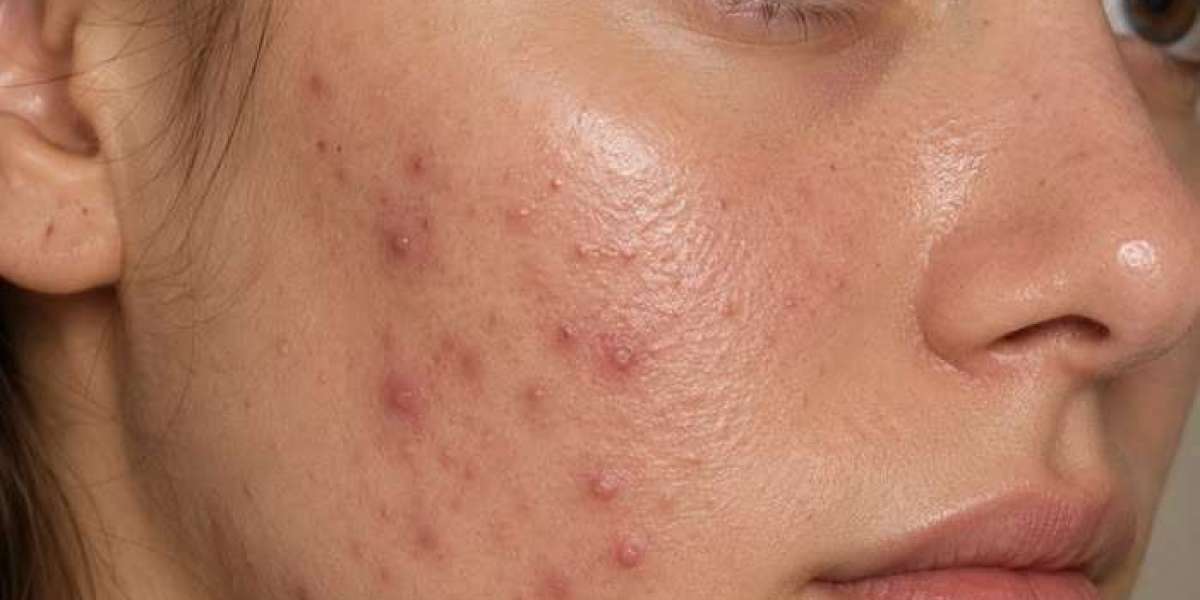

Acne scars can remain a concern even after pimples and inflammation have disappeared. Some people notice small holes across their cheeks, while others experience uneven skin, shallow depressions, or dark marks that make their complexion look less uniform. These changes can affect confidence and make everyday skincare feel frustrating. However, different professional procedures are available to improve the appearance of acne-damaged skin. Understanding the causes of scarring and the available options can help individuals make informed decisions about acne scars treatment in islamabad.
What Makes Acne Scars Difficult to Treat?
Acne scars develop when inflammation affects the deeper layers of the skin. The body's natural healing process produces collagen to repair the damaged tissue. When the amount or arrangement of collagen is uneven, the skin may heal with permanent texture changes.
The depth of inflammation often influences the severity of scarring. Deep cysts and nodules are more likely to leave noticeable marks than mild surface-level pimples. Repeatedly squeezing or scratching acne can also increase inflammation and interfere with normal healing.
Another important factor is that different scars have different structures. A treatment that works well for shallow depressions may not be effective for narrow, deep scars or raised tissue. This is why identifying the exact scar pattern is an important first step.
Common Signs of Acne-Related Skin Damage
Acne-related marks can appear in several ways, and recognising their differences helps guide treatment decisions.
Ice-pick scars: Small, narrow openings that extend deeply into the skin.
Boxcar scars: Depressed areas with wider surfaces and clearly defined edges.
Rolling scars: Broad, shallow depressions that create an uneven or wavy appearance.
Hypertrophic scars: Raised areas caused by excess collagen during the healing process.
Post-inflammatory pigmentation: Dark or reddish marks that remain after acne inflammation has settled.
Some people experience a combination of these concerns. A detailed skin examination can help determine whether the main issue is pigmentation, structural scarring, or both.
Professional Treatments That Can Improve Skin Texture
Modern aesthetic procedures use different techniques to support skin renewal. The best option depends on the individual's concerns, skin characteristics, and treatment goals.
Microneedling with Radiofrequency
Radiofrequency microneedling combines tiny needles with controlled thermal energy. The needles create small channels in the skin while radiofrequency energy heats selected tissue layers. This process stimulates collagen remodelling and may improve the appearance of certain depressed scars.
The procedure is often considered for uneven texture and selected atrophic scars. Several sessions may be recommended, with results developing gradually as the skin heals.
Subcision for Deep Rolling Scars
Some rolling scars remain visible because fibrous bands attach the skin to deeper tissue. Subcision is designed to release these attachments using a specialised instrument inserted beneath the scar.
Once the tension is reduced, the depressed area may become less noticeable. Subcision is generally selected for appropriate tethered scars and may sometimes be combined with other treatments to improve the overall result.
Chemical Resurfacing
Professional chemical resurfacing uses selected solutions to encourage the removal of damaged surface cells. Depending on the formulation and technique, it may improve superficial texture and post-acne pigmentation.
A specialist must determine the appropriate peel strength and suitability for the patient's skin. Aggressive or incorrectly selected peels can cause irritation, burns, and unwanted pigmentation changes.
Fractional Laser Procedures
Fractional laser treatments deliver energy through microscopic treatment zones, encouraging controlled skin renewal and collagen production. They may help soften certain scar edges and improve uneven skin texture.
The recovery period depends on the laser type and treatment intensity. Individuals with darker skin tones should receive careful assessment because some laser settings may increase the risk of pigmentation complications.
Treatments for Raised Acne Scars
Raised scars require a different strategy from depressed scars. Depending on their appearance and medical history, options may include specialised injections, silicone-based treatments, or other professionally selected methods.
The purpose is to reduce excessive scar tissue and improve the affected area's appearance. Treatment should be supervised because raised scars can sometimes return or respond differently from expected.
Why Skin Assessment Should Come Before Any Procedure
Choosing a treatment based only on online information can lead to disappointing results. A procedure suitable for one person may not be appropriate for someone with different scar depths, pigmentation concerns, or skin sensitivity.
During a consultation, a qualified professional should examine the affected areas and ask about previous acne, medications, skincare products, and earlier procedures. Active breakouts should also be considered because controlling ongoing acne helps reduce the chance of additional scarring.
A personalised plan may involve one procedure or a combination of techniques. The professional should explain the expected improvement, number of sessions, recovery requirements, possible side effects, and alternative options before treatment begins.
Preparing Your Skin for Better Recovery
Good preparation and aftercare are important parts of professional acne scar management. Patients should follow the instructions provided for their specific procedure rather than using a general skincare routine.
Gentle cleansing, appropriate moisturising, and daily broad-spectrum sunscreen can help protect the skin. Strong exfoliating products and irritating ingredients may need to be paused around certain treatments. Picking at peeling skin or touching healing areas unnecessarily should also be avoided.
Sun protection is especially important because recently treated skin may be more sensitive to sunlight. Excessive exposure can increase the likelihood of uneven pigmentation and affect the overall appearance of the treated area.
Understanding Results and Long-Term Expectations
Acne scar improvement takes time. Procedures that stimulate collagen do not usually produce their full effect immediately because the skin needs time to repair and remodel. Depending on the scar type and treatment, multiple sessions may be necessary.
Results vary from person to person. Some scars may respond more noticeably than others, and complete removal is not always possible. A realistic goal is to reduce the visibility of scars and create a smoother-looking surface while maintaining healthy skin.
Explore Suitable Acne Scar Care at Enfield Royal Clinic
A thoughtful treatment plan can make managing acne scars more structured and effective. Rather than choosing a procedure without guidance, individuals should first understand their skin concerns and discuss suitable options with a professional.
At Enfield Royal Clinic, individuals can explore aesthetic services and arrange a consultation to discuss their concerns. A professional assessment can help identify possible approaches based on scar type, skin condition, and personal expectations. With suitable guidance and consistent aftercare, improving uneven skin texture can become a more informed and manageable process.