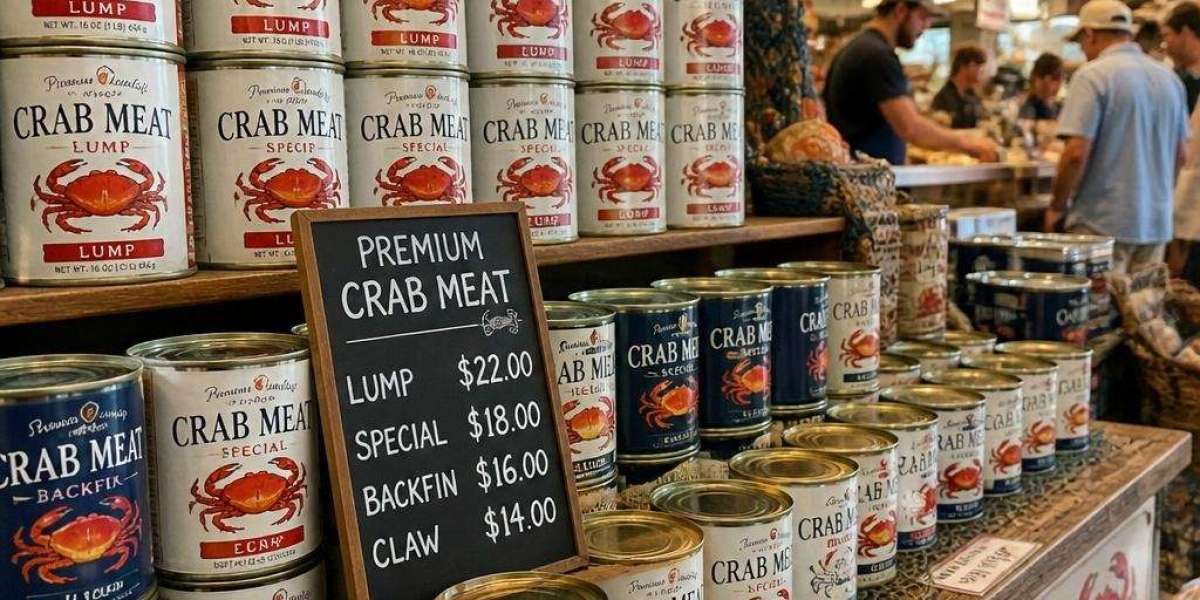

The Canned Crab Meat Market is an important part of the packaged seafood industry, offering consumers a convenient way to enjoy crab meat across different culinary applications. Canned crab meat is appreciated for its distinctive seafood flavor, versatility, and suitability for household cooking as well as commercial food preparation. It can be incorporated into salads, sandwiches, soups, seafood dishes, pasta preparations, and specialty recipes.
The increasing interest in canned seafood consumption trends reflects the changing preferences of consumers who value convenient food products and versatile ingredients. Canned crab meat offers flexibility in meal preparation and provides an alternative to purchasing and preparing fresh seafood. These characteristics create opportunities for manufacturers, retailers, distributors, and foodservice businesses to develop products that address different customer requirements.
Changing Consumer Preferences in the Seafood Industry
Consumer preferences have an important influence on the development of the canned crab meat industry. Modern households are exploring different seafood ingredients that can be incorporated into everyday meals without requiring complicated preparation.
Canned crab meat is suitable for consumers who enjoy seafood but prefer convenient product formats. Its versatility allows it to become part of traditional recipes as well as contemporary culinary creations.
Taste, texture, product quality, packaging, and ingredient information are important considerations when customers evaluate canned seafood. Manufacturers must understand these expectations to develop products that appeal to different consumer groups.
There is also growing interest in premium seafood products. Some customers prefer recognizable crab meat varieties and products that emphasize quality and natural flavor. This creates opportunities for manufacturers to develop specialized product offerings and improve brand positioning.
Product Varieties and Market Opportunities
Product variety contributes to the overall appeal of the Canned Crab Meat Market. Different crab meat selections serve different culinary requirements and consumer preferences.
Lump crab meat is appreciated for its substantial pieces and suitability for premium seafood preparations. It can be used in crab cakes, salads, appetizers, and specialty dishes.
Claw crab meat offers another option for consumers and foodservice businesses looking for distinctive seafood flavor. It can be incorporated into soups, sauces, seafood mixtures, and various cooked preparations.
Special crab meat products can also serve customers seeking ingredients for particular recipes. Manufacturers can differentiate their offerings through product presentation, quality, and packaging.
Developing a diverse product portfolio allows businesses to address different purchasing preferences while strengthening their position in the packaged seafood category.
Food Processing and Manufacturing Developments
Food processing is an essential part of canned crab meat production. Manufacturers must coordinate raw material preparation, cleaning, meat extraction, processing, packaging, and quality management.
Careful processing helps maintain the desirable characteristics of crab meat. Texture, appearance, flavor, and overall product consistency are important considerations throughout manufacturing.
Processing facilities must also maintain appropriate hygiene and food safety practices. Proper handling and controlled processing conditions contribute to product quality and consumer confidence.
Manufacturers can explore improvements in production organization, packaging operations, and quality management to support efficient business operations.
Product development can also involve creating different formulations and packaging presentations that meet household and commercial requirements.
Packaging Innovation and Product Convenience
Packaging plays an important role in the canned crab meat industry. Consumers generally appreciate products that are easy to store, identify, and incorporate into meal preparation.
Traditional cans remain a recognizable packaging option because they provide a practical format for packaged seafood. Alternative presentations, including pouches and jars, can offer additional choices depending on product requirements and consumer preferences.
Manufacturers must consider packaging protection, product presentation, storage requirements, and convenience when developing packaging strategies.
Clear labeling is equally important. Customers benefit from understandable information about ingredients, product varieties, storage instructions, and preparation recommendations.
Attractive packaging can also improve brand recognition and help products stand out in competitive retail environments.
Retail Distribution and Online Shopping
Retail distribution connects canned crab meat manufacturers with household consumers. Supermarkets, hypermarkets, grocery stores, specialty seafood retailers, and online shopping platforms provide opportunities for product availability.
Physical stores allow customers to examine different seafood products and compare packaging, ingredients, and brand presentations. Product placement and clear labeling can contribute to purchasing decisions.
Online retail is another important distribution opportunity. Digital platforms make it easier for consumers to explore packaged seafood products and include them in grocery purchases.
Manufacturers can improve their digital visibility through informative descriptions, recognizable branding, and clear product presentation.
Combining physical retail distribution with digital shopping opportunities can help businesses reach different consumer groups.
Foodservice and Commercial Applications
Restaurants, catering companies, hotels, and food processing businesses represent important customers for canned crab meat manufacturers.
The product can be incorporated into seafood salads, crab cakes, pasta dishes, sandwiches, appetizers, soups, and other preparations.
Commercial kitchens appreciate ingredients that support convenient meal preparation and consistent menu development. Canned crab meat provides flexibility because it can be used in different recipes without requiring the same preparation process as whole fresh crab.
Suppliers can strengthen commercial relationships through suitable packaging, dependable product quality, and organized distribution arrangements.
Future Outlook
The Canned Crab Meat Market offers opportunities for businesses across processing, packaging, retail, and foodservice industries.
Consumer interest in convenient seafood ingredients, product variety, packaging innovation, and premium food offerings can influence future product development.
Manufacturers that prioritize product quality, understand changing customer preferences, and strengthen their distribution strategies can establish a competitive presence in the packaged seafood industry.
The versatility of canned crab meat provides a foundation for continued culinary experimentation and opportunities across household and commercial food markets.
Frequently Asked Questions
Q1. What are the major applications of canned crab meat?
Canned crab meat is commonly used in seafood salads, crab cakes, sandwiches, soups, pasta dishes, appetizers, and various restaurant preparations.
Q2. What factors are important for canned crab meat manufacturers?
Product quality, processing practices, packaging innovation, ingredient transparency, distribution efficiency, and changing consumer preferences are important considerations for manufacturers.