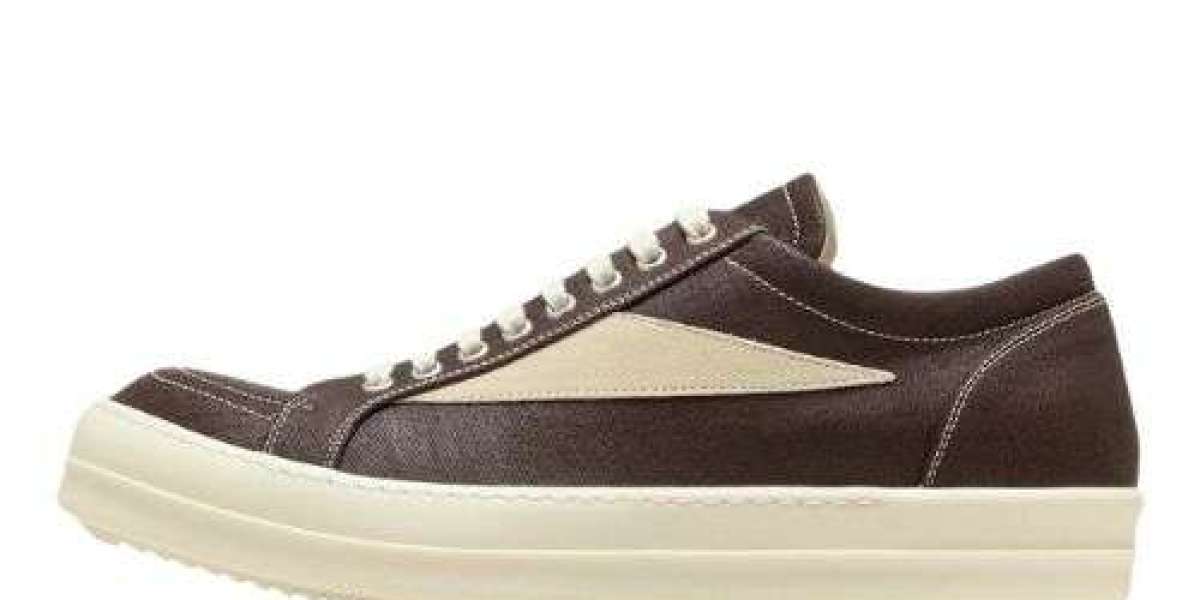

The materials used in a sneaker affect more than its appearance. They can influence comfort, flexibility, weight, breathability, and how the shoe holds up with regular use. Some sneakers have smooth leather uppers, while others use mesh, canvas, suede, or synthetic fabrics. Each material brings different qualities to the design.Modern sneakers often combine several materials to create a particular look and feel. The upper, lining, midsole, and outsole may all use different components. Understanding these materials can help you compare footwear, choose styles that suit your daily routine, and make more informed buying decisions.
Leather and Its Place in Sneaker Design
Leather is a common material in casual and designer sneakers. It is often used for its smooth appearance, structured feel, and ability to develop character with wear.Full-grain and other leather types can have different textures and characteristics. Some leather sneakers https://rickowenshop.com/ have a clean, polished surface, while others feature a more natural finish. The exact feel depends on the type of leather and how it has been treated.Leather can also provide more structure than lightweight fabric materials. This makes it a popular choice for sneakers with a defined shape. However, leather shoes may require regular care to keep their appearance in good condition.When buying leather sneakers, check the product details to understand which type of leather is used rather than assuming every leather shoe has the same qualities.
Suede Adds Texture and a Different Appearance
Suede is another material commonly found in sneaker design. Unlike smooth leather, it has a soft, slightly textured surface that gives footwear a different appearance.Suede sneakers work well with casual clothing, denim, and neutral outfits. Their surface can add detail to an otherwise simple combination, particularly when the rest of the outfit uses basic colors.However, suede usually needs more attention when it comes to cleaning and maintenance. Water, dirt, and stains can affect its appearance. A suitable suede brush and cleaning products can help with regular care.Before purchasing suede sneakers, consider where you plan to wear them and whether you are comfortable maintaining the material.
Mesh and Breathable Fabric Materials
Mesh is widely used in sneakers designed with ventilation and lightweight construction in mind. Its open structure allows more air to move through the material compared with many tightly woven fabrics.Mesh is often combined with other materials to provide additional structure and support. For example, a sneaker may use mesh across the upper with synthetic overlays around certain areas.This combination can create a lightweight design while helping the shoe maintain its shape. Mesh sneakers are often suitable for casual wear and activities where breathability is important.The quality and construction of mesh can vary between models, so it is worth checking the product description before making a decision.
Canvas for Simple Everyday Sneakers
Canvas is a woven fabric commonly used in casual footwear. It is known for its straightforward appearance and is often associated with classic sneaker designs.Canvas sneakers can work with jeans, shorts, relaxed trousers, and everyday streetwear outfits. Their simple surface also makes them easy to combine with different clothing styles.Compared with some structured leather designs, canvas shoes may feel lighter and more flexible. However, their level of support and durability depends on the overall construction of the sneaker.Canvas can also collect dirt, so regular cleaning helps maintain its appearance. Always follow the care instructions provided for the specific shoe.
Synthetic Materials in Modern Footwear
Synthetic materials are widely used in contemporary sneaker production. They can be designed to create different textures, finishes, and levels of flexibility.Some synthetic uppers are made to resemble leather, while others have a more technical or smooth appearance. They are also commonly combined with mesh, fabric, and other components.One advantage of synthetic materials is the range of designs they allow manufacturers to produce. However, their performance can differ considerably depending on the material and construction.Do not assume that all synthetic sneakers are equally breathable, flexible, or durable. Check the product specifications to understand what a particular shoe offers.
Understanding Sneaker Soles and Construction
The sole is another important part of sneaker design. It affects how the shoe feels underfoot and contributes to its overall shape.Rubber is commonly used in outsoles because it provides grip and resistance to everyday wear. Different rubber compounds and tread patterns can create different levels of traction.Many sneakers also include a midsole made from cushioning materials. This section sits between the upper and outsole and helps influence the shoe's underfoot feel. The exact construction varies between models.When comparing sneakers, pay attention to the sole thickness, flexibility, tread pattern, and overall weight. These details can help you understand whether a design suits your intended use.
How Materials Influence Designer Sneakers
Designer sneakers often combine materials to create recognizable shapes and visual details. The choice of upper material, overlays, stitching, and sole construction can all contribute to the final appearance.Rick Owens footwear is a useful example of how sneaker materials and design work together. Different styles, including Geobasket and Ramones models, have distinct silhouettes and visual details. However, material specifications should always be checked for the exact product rather than assumed across an entire collection.The material is only one part of the buying decision. Consider the shoe's shape, fit, intended use, and care requirements before choosing a pair.
How to Choose the Right Sneaker Material
The right material depends on your preferences and daily routine. If you like a structured appearance, leather may be worth considering. Suede can add texture to casual outfits, while mesh may suit people who prefer lightweight footwear.Canvas is a practical option for simple everyday styling, and synthetic materials offer a wide range of finishes and designs.
Before buying, consider these points:
Comfort: Check the lining, fit, and overall construction.
Maintenance: Think about how much care the material requires.
Weather: Consider whether the material suits the conditions in which you plan to wear the shoes.
Durability: Look at the construction and product details rather than judging by appearance alone.
Style: Choose a material that works with your regular clothing.
A good sneaker should suit both your wardrobe and your everyday needs.
FAQ's
What materials are commonly used in modern sneakers?
Leather, suede, mesh, canvas, synthetic fabrics, rubber, and cushioning materials are commonly used.
Are leather sneakers better than mesh sneakers?
Neither is automatically better. Leather offers a different structure and appearance, while mesh is often chosen for its lightweight and breathable design.
Why is rubber used in sneaker soles?
Rubber is commonly used in outsoles because it provides grip and helps resist everyday wear.
Do suede sneakers require special care?
Yes, suede usually benefits from suitable brushes and cleaning products to help maintain its textured surface.
How can I find out what materials a sneaker uses?
Check the product description or manufacturer's material information for the exact model you are considering.