
Innovation is becoming an important part of the frozen processed food market as manufacturers continuously explore ways to improve product quality, convenience, and consumer satisfaction. The food industry is experiencing changing expectations regarding meal preparation, ingredient selection, packaging, and product availability. Consumers want food options that fit their daily routines while providing flexibility and variety. These expectations encourage manufacturers to rethink traditional frozen food offerings and introduce products that meet modern consumption preferences.
Developments in frozen food preservation solutions are particularly relevant to the industry's evolution. Freezing and food preservation practices help manufacturers prepare products for storage, transportation, and distribution while maintaining important product characteristics. Processing methods, temperature management, and suitable packaging contribute to the overall quality of frozen food products. Manufacturers continue to explore ways to make these processes more consistent and efficient.
Product innovation is one of the most visible areas of development. Frozen processed foods are no longer limited to basic vegetables and conventional prepared meals. The category now accommodates different food preferences through snacks, appetizers, bakery products, meat preparations, seafood, and complete meal solutions. Consumers can choose products according to their cooking habits, taste preferences, and household requirements.
Flavor development also plays an important role in attracting customers. Food manufacturers explore traditional recipes, regional cuisines, international flavors, and new ingredient combinations. These developments provide consumers with opportunities to experience different food styles without preparing every ingredient from scratch. Products inspired by popular restaurant meals and familiar home-cooked dishes can also make frozen food more appealing.
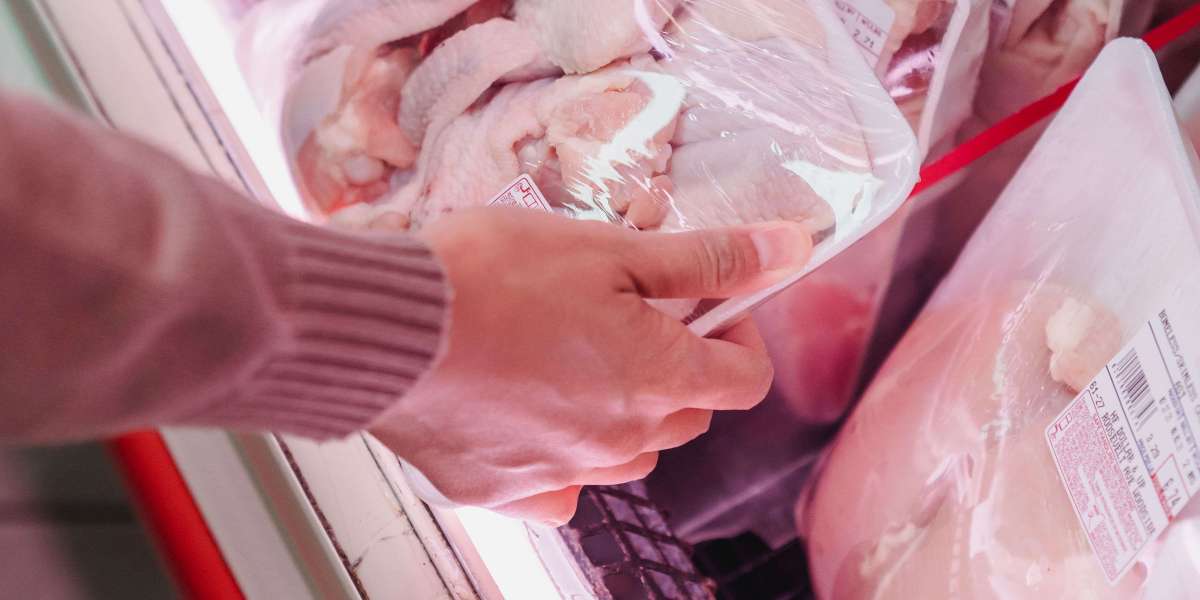
Another important area of innovation involves packaging. Frozen food packaging must support storage conditions while protecting products during transportation and retail handling. Manufacturers consider packaging materials, product visibility, portion formats, and ease of use when designing their offerings. Resealable packages and individual portions can support convenient household storage and reduce unnecessary handling.
Clear labeling is equally important. Consumers want to understand what they are purchasing and how products should be prepared. Packaging that provides ingredient information, storage guidance, cooking instructions, and product descriptions can improve the shopping experience. Transparent communication also helps brands establish stronger relationships with customers.
Technology is influencing food manufacturing and distribution processes as well. Production facilities use different equipment and monitoring systems to manage food processing, packaging, and storage activities. Better process management can support consistency and help manufacturers maintain their product standards. Temperature-controlled transportation and storage systems are also important for handling frozen food throughout the supply chain.
The growing presence of online grocery platforms is changing how consumers discover frozen processed foods. Digital retail channels allow shoppers to explore product categories, compare packaging formats, read product descriptions, and select items based on their requirements. Manufacturers and retailers can use digital platforms to communicate new product introductions and make frozen food options more accessible.
Health-conscious consumption is another factor encouraging innovation. Some consumers look for products with familiar ingredients, vegetable-based components, alternative protein options, or specific dietary characteristics. Manufacturers are responding with different recipes and product formulations. However, consumer expectations vary, making product diversity an important part of the industry's development.
Sustainability is also becoming a consideration in packaging and manufacturing decisions. Food companies are examining packaging materials, production practices, transportation processes, and waste management. Responsible resource use and improved packaging design can support broader environmental objectives while addressing consumer interest in more thoughtful food choices.
The future development of the frozen processed food market will depend on how effectively manufacturers balance convenience, product quality, innovation, and consumer expectations. Businesses that understand changing food preferences and invest in product development can strengthen their position in this competitive industry.
FAQs
Q1. How is innovation changing frozen processed foods?
Innovation is influencing food preservation, processing equipment, packaging, flavor development, product formulations, and distribution practices.
Q2. Why is packaging important for frozen processed food products?
Packaging helps protect products during storage and transportation while providing useful information and making products easier for consumers to handle.