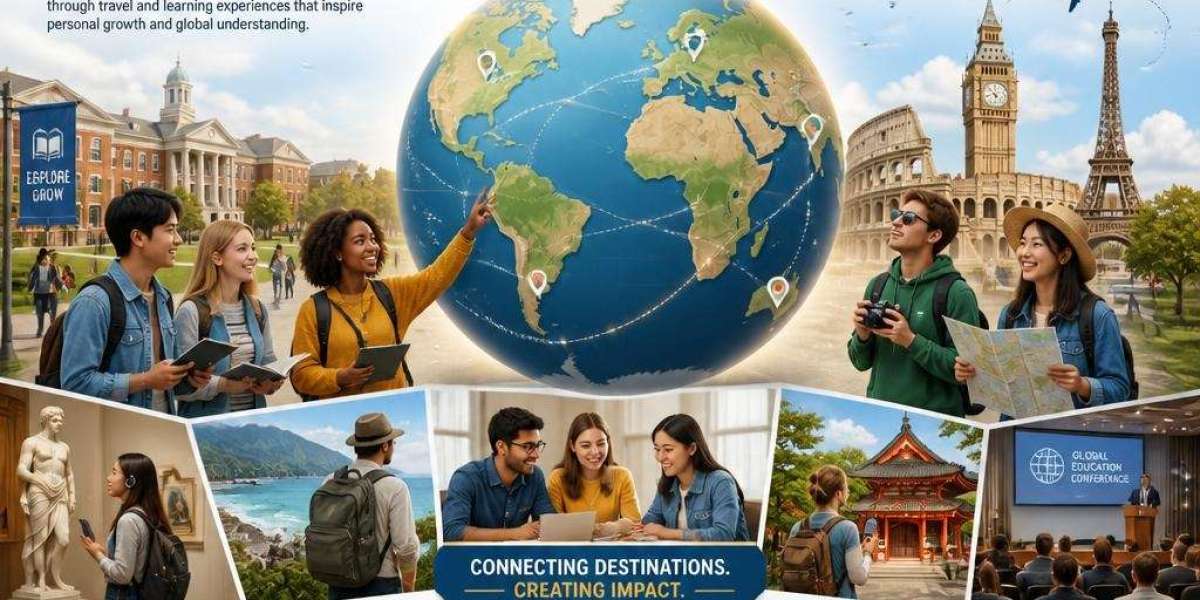

Students today are looking for educational experiences that extend beyond traditional classroom environments. While textbooks, lectures, and academic assignments remain essential, many learners also want opportunities to explore subjects through practical activities and international exposure. Educational tourism provides an opportunity to combine travel with academic development, allowing students to discover different cultures, visit important destinations, and participate in learning activities outside their usual surroundings.
The increasing interest in international student learning trips reflects the changing expectations of modern learners. Students are exploring academic tours, university visits, cultural exchange programs, language-learning journeys, and educational excursions to develop a broader understanding of the world. These opportunities can make education more engaging while helping participants gain practical knowledge and personal confidence.
Learning Beyond Traditional Classrooms
One of the primary reasons educational tourism attracts students is the opportunity to learn beyond conventional educational environments.
Classroom education provides theoretical knowledge, but destination-based learning introduces students to real locations and practical situations. For example, a history student can explore historical monuments, while a geography student can observe different landscapes and environmental features.
These activities help students connect academic information with real-world examples. They can observe details, ask questions, and discuss their experiences with teachers and fellow participants.
Educational journeys can also make difficult subjects easier to understand by providing visual and practical learning opportunities.
International Exposure and Global Awareness
International exposure is an important attraction of educational tourism. Traveling to another country allows students to experience different educational systems, cultural practices, languages, and lifestyles.
Such journeys can encourage students to become more aware of international communities and global perspectives. Participants may interact with local residents, meet students from other countries, and explore unfamiliar social environments.
These experiences can help develop communication abilities, adaptability, and cultural sensitivity. Students may also gain a better understanding of global issues and the importance of cooperation between different communities.
International exposure can therefore contribute to both academic and personal development.
Language Learning Through Direct Interaction
Learning a foreign language can become more effective when students have opportunities to use it in everyday situations.
Educational tourism supports language development through immersion experiences. Students may practice speaking during guided visits, cultural activities, educational workshops, and interactions with local communities.
These situations encourage learners to use vocabulary naturally and become more comfortable communicating with others.
Language-learning journeys may also introduce students to local traditions, expressions, and communication styles. This combination of language and experience cultural understanding can make the overall learning more meaningful.
Cultural Understanding and Personal Development
Cultural exploration is another reason students are attracted to educational tourism. Every destination offers opportunities to understand different traditions, lifestyles, architecture, art, and historical backgrounds.
Participating in cultural activities can encourage students to become more open-minded. They can learn to appreciate differences and understand how communities preserve their identities.
Traveling with classmates can also support personal development. Students may learn how to cooperate, manage responsibilities, communicate effectively, and adapt to new environments.
These abilities are valuable in academic settings and everyday life.
University Visits and Academic Exploration
Educational tourism can introduce students to universities, colleges, research centers, and specialized academic institutions.
Such visits may help students understand different educational environments and explore subjects that interest them. Participants can learn about academic facilities, research activities, campus life, and different approaches to higher education.
For students considering international education, university visits can provide useful exposure to unfamiliar academic settings.
Educational institutions can organize these activities through partnerships with destination organizations, universities, and specialized tour operators.
Role of Educational Tour Operators
Educational tour operators help schools and universities organize structured learning journeys. Their responsibilities may include travel planning, transportation coordination, accommodation arrangements, guided activities, and destination management.
They can also develop programs for different age groups and academic interests. A school excursion may focus on historical or scientific learning, while a university journey may involve academic visits, cultural interaction, and specialized workshops.
Collaboration between educators and tourism professionals is important because the journey should support specific educational objectives while remaining safe and organized.
Importance of Safety and Accessibility
Safety is an essential consideration in student travel. Educational institutions and organizers must consider transportation, accommodation, supervision, emergency arrangements, and participant requirements.
International travel may involve additional planning related to documentation, cultural differences, and communication. Organizers should provide students with clear information before departure.
Affordability and accessibility are also important. Flexible travel packages and carefully selected destinations can help educational institutions create opportunities for students with different requirements.
Future Opportunities for Student Educational Travel
The future of student educational tourism may be influenced by growing interest in practical education, international experiences, and personalized learning.
Technology can support these journeys through online planning platforms, interactive educational guides, and digital learning resources. Sustainable travel activities may also introduce students to environmental responsibility and cultural preservation.
As students continue to explore new ways of learning, educational tourism can offer valuable experiences that combine academic exploration with personal discovery.
Conclusion
Educational tourism is becoming an attractive option for students because it connects education with practical experiences and international exposure. It supports cultural awareness, language development, communication skills, and academic exploration.
By combining classroom learning with destination-based experiences, educational tourism creates opportunities for students to understand the world from different perspectives and develop skills that extend beyond academic subjects.
FAQs
Q1. Why do students participate in educational tourism?
Students participate to gain practical knowledge, explore different cultures, improve communication skills, visit educational institutions, and experience learning outside traditional classrooms.
Q2. What activities are included in student educational tourism?
Activities may include historical tours, museum visits, university excursions, language-learning programs, cultural exchanges, scientific visits, and educational workshops.