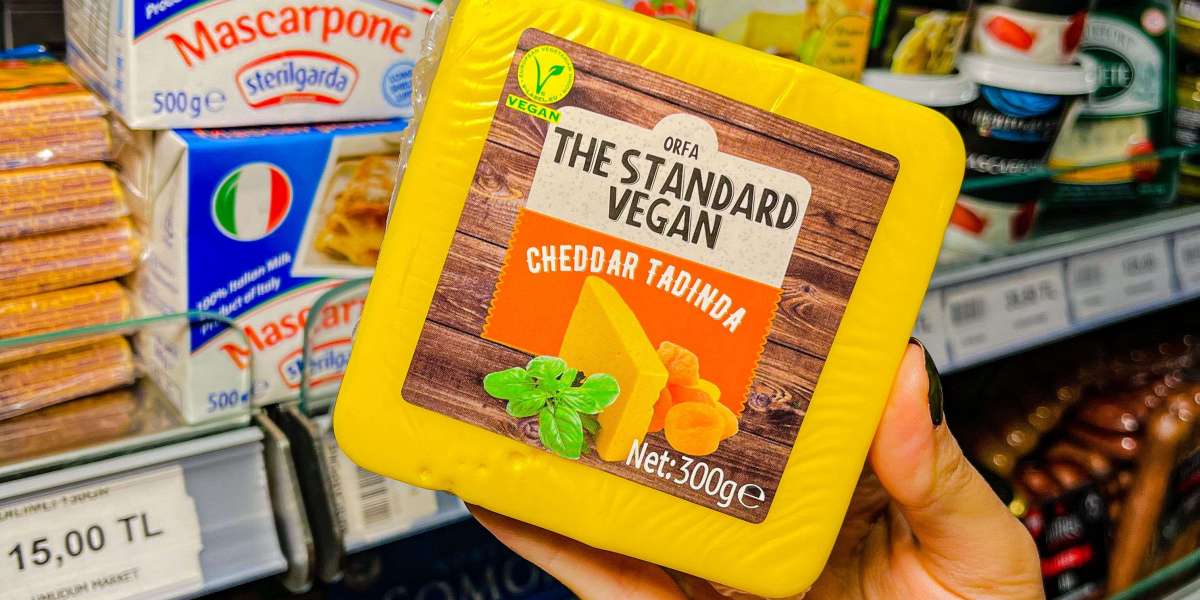

The growing interest in alternative food products is transforming the food and beverage industry, with non-dairy cheese becoming an increasingly recognized option among consumers. Changing dietary preferences, interest in plant-based eating, and demand for dairy-free food choices are encouraging manufacturers to explore new approaches to cheese production. Non-dairy cheese is developed using ingredients that do not originate from traditional dairy sources, offering consumers an alternative for everyday meals, snacks, cooking, and food preparation. Its expanding presence in grocery stores, restaurants, and specialty food outlets reflects the changing relationship between consumers and conventional dairy products.
The increasing popularity of plant-based cheese alternatives is creating opportunities for food manufacturers to introduce products that offer different flavors, textures, and culinary experiences. Consumers are exploring alternatives made from ingredients such as nuts, soy, coconut, and other plant-derived components. These products are becoming relevant to people seeking dairy-free lifestyles as well as those interested in experimenting with different food choices. Manufacturers are also concentrating on improving product consistency and versatility to make non-dairy cheese suitable for a wider range of applications.
Changing Consumer Preferences and Food Choices
Consumer preferences are playing an important role in shaping the non-dairy cheese industry. Modern food shoppers are increasingly interested in understanding the ingredients used in the products they purchase. This has encouraged manufacturers to develop alternatives that appeal to consumers looking for dairy-free options without compromising their everyday eating experiences.
Non-dairy cheese is finding applications in sandwiches, burgers, pizzas, salads, pasta dishes, and various prepared meals. Its flexibility allows food businesses to incorporate dairy-free alternatives into familiar recipes. Restaurants and foodservice providers are also exploring plant-based menu options to accommodate customers with different dietary preferences.
The availability of different product styles is another important factor influencing consumer interest. Manufacturers are developing alternatives inspired by traditional cheese varieties, including sliced, shredded, spreadable, and block-style products. These formats make it easier for consumers to incorporate non-dairy cheese into familiar cooking routines.
Product Innovation and Ingredient Development
Innovation is an important part of the non-dairy cheese market. Manufacturers are experimenting with different plant-based ingredients to improve flavor, melting behavior, texture, and overall product performance. Since traditional dairy cheese has distinctive characteristics, reproducing a familiar eating experience remains an important product development objective.
Nut-based ingredients provide opportunities for developing creamy products, while coconut-based formulations are used in various dairy-free applications. Soy and other plant-derived ingredients also contribute to product development. Manufacturers are exploring different combinations of ingredients and processing approaches to create products suitable for specific culinary purposes.
Texture remains particularly important because consumers expect cheese alternatives to perform effectively in cooking. Products designed for pizza toppings, for example, need different characteristics from spreadable alternatives intended for bread and crackers. This encourages companies to develop specialized formulations instead of relying on a single product approach.
Expanding Opportunities Across Foodservice and Retail
Retail distribution is helping consumers become more familiar with non-dairy cheese products. Supermarkets, specialty food stores, and online grocery platforms provide opportunities for manufacturers to reach different consumer groups. Attractive packaging, ingredient transparency, and product variety can influence purchasing decisions.
Foodservice businesses also represent an important opportunity. Restaurants, cafes, bakeries, and quick-service food outlets can incorporate non-dairy cheese into their menus to serve customers seeking alternatives to traditional dairy products. Pizza, burgers, sandwiches, and prepared meals offer practical applications.
Online platforms are further supporting product discovery by allowing consumers to compare ingredients, product formats, and available varieties. Digital marketing can also help manufacturers explain product applications and introduce new offerings.
Challenges and Future Market Opportunities
Despite increasing interest, manufacturers face several challenges. Matching the taste, texture, melting properties, and versatility of traditional cheese can be difficult. Ingredient selection, processing methods, product stability, and consumer expectations all influence the final product.
Pricing and product accessibility can also affect adoption. Manufacturers need to balance ingredient quality, production efficiency, and consumer affordability. Clear labeling and effective product communication can help customers understand the differences between traditional cheese and dairy-free alternatives.
The future of the non-dairy cheese market will depend on continuous innovation, improved formulations, broader distribution, and changing food preferences. Companies that successfully combine appealing flavors, practical functionality, and convenient product formats can strengthen their position in this developing category.
Frequently Asked Questions
FAQ 1: What is non-dairy cheese made from?
Non-dairy cheese is generally produced using plant-derived ingredients such as nuts, soy, coconut, and other vegetable-based components instead of traditional dairy milk.
FAQ 2: Where can non-dairy cheese be used?
Non-dairy cheese can be incorporated into pizzas, sandwiches, burgers, pasta, salads, snacks, and various home-cooked and restaurant meals.