
These concerns can affect how clothing fits and how the abdominal area looks.
For individuals considering abdominoplasty in Islamabad, understanding abdominal asymmetry is an important part of treatment planning. A tummy tuck may improve certain irregularities caused by excess skin or separated muscles, but it cannot guarantee perfectly symmetrical results.
What Is Abdominal Asymmetry?
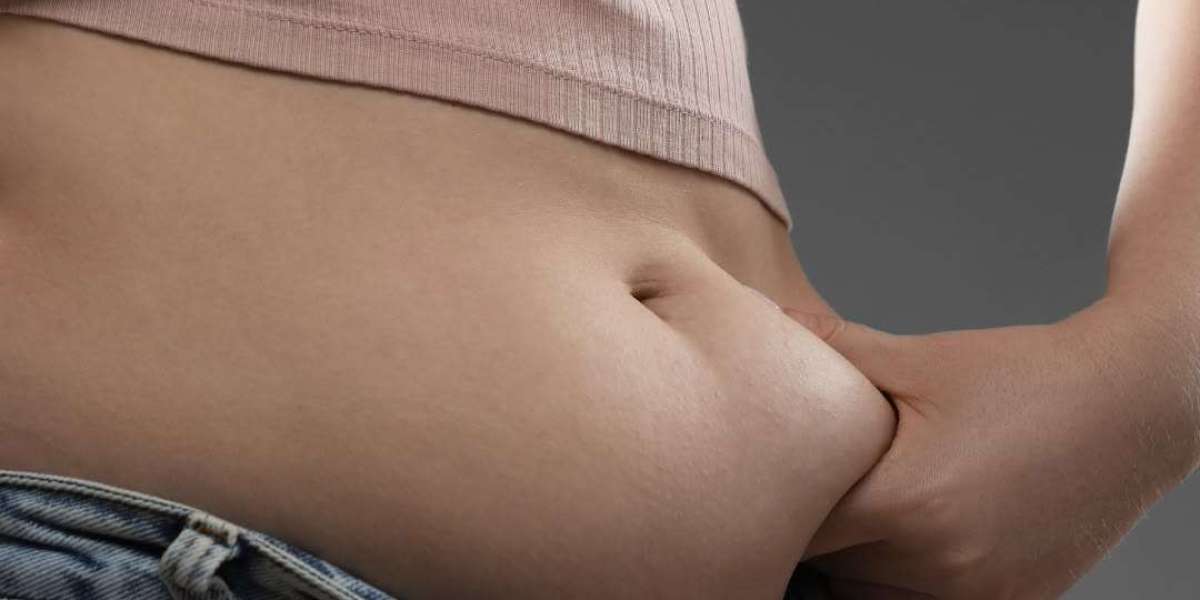
Abdominal asymmetry refers to a visible difference between the two sides of the stomach. One side may appear fuller, have more loose skin, or show a different contour from the other.
Minor differences are common because the human body is not naturally identical on both sides. Muscle structure, fat distribution, posture, previous injuries, and the position of internal structures can all contribute to variations.
Some differences are subtle, while others become more noticeable when standing, sitting, or wearing fitted clothing.
Common Reasons for Uneven Abdominal Contours
Several factors may contribute to an uneven abdominal appearance.
Unequal skin laxity: Skin may stretch differently across the abdomen. This can happen after pregnancy or significant weight changes, leaving one side with more visible folds.
Uneven fat distribution: Fat does not always accumulate equally on both sides. This may create differences in abdominal fullness.
Muscle separation: When abdominal muscles separate, the central abdominal wall may appear different in shape. The extent of separation can vary across the affected area.
Previous surgery: Surgical scars and changes in underlying tissues may influence the appearance of the abdomen.
Posture and body structure: Pelvic alignment, spinal posture, and natural differences in body anatomy can affect how the stomach looks.
Identifying the underlying reason is important because not every type of asymmetry can be corrected through skin removal.
Can a Tummy Tuck Improve Asymmetry?
A tummy tuck can help improve unevenness when it is related to excess abdominal skin or selected muscle changes. During surgery, the surgeon removes planned amounts of loose tissue and may tighten separated abdominal muscles when appropriate.
The procedure can create a smoother and more balanced abdominal outline. However, the improvement depends on the patient's existing anatomy and the cause of the uneven appearance.
If asymmetry is mainly related to the skeleton, posture, or internal abdominal structures, removing excess skin may not resolve it. A detailed examination helps determine which concerns are suitable for surgical treatment.
The Importance of Preoperative Assessment
Before recommending surgery, a surgeon needs to examine the abdomen from different angles. Looking only at the front while a patient is standing may not provide enough information.
The assessment may include:
Comparing skin folds on both sides.
Evaluating the location and amount of excess tissue.
Checking abdominal muscle separation.
Reviewing previous scars and surgical history.
Assessing the waistline and overall body proportions.
Discussing the patient's desired improvements.
The surgeon may also ask patients to change positions to understand how the abdominal contour behaves while standing or sitting.
This assessment supports a realistic surgical plan rather than relying only on photographs or general descriptions.
How Incision Planning Can Influence Results
Incision placement is an important part of abdominoplasty. The surgeon plans the incision according to the amount of skin to be removed, natural body proportions, and the patient's anatomy.
When the abdomen is uneven, the amount of tissue removed from each side may need careful consideration. The aim is to create a balanced contour while maintaining appropriate skin tension and safe tissue circulation.
The surgeon must also consider the final position of the incision and how it may appear under clothing. Although careful planning can improve symmetry, natural anatomical differences may remain.
Understanding Muscle-Related Differences
Some patients notice that one side of the abdomen appears more prominent than the other. In certain cases, this may be associated with abdominal muscle separation or differences in the abdominal wall.
A tummy tuck may include muscle repair when the surgeon determines that it is appropriate. This can improve the support and appearance of the abdominal wall in selected patients.
However, muscle repair is not suitable for every type of abdominal unevenness. A bulge may have another cause, such as a hernia, which requires proper medical assessment rather than being treated as a cosmetic concern.
Why Perfect Symmetry Is Not Always Possible
Even with careful surgical planning, the body may retain some natural differences after surgery. Skin elasticity, healing patterns, scar formation, and individual anatomy can influence the final result.
Swelling may also be uneven during early recovery. One side can appear more swollen or firm than the other, making the abdomen look temporarily unbalanced.
Patients should allow sufficient time for healing before judging the final contour. They should attend follow-up appointments so the surgeon can monitor changes and explain whether the appearance is progressing as expected.
Recovery and Monitoring
Following surgery, patients should follow the recommended wound-care and activity instructions. Gentle walking may be encouraged, while heavy lifting and strenuous exercise should be avoided until the surgeon provides clearance.
Patients should not attempt to correct unevenness by applying pressure, massaging the abdomen, or changing compression garment use without professional guidance.
Sudden increases in swelling, severe pain, redness, fever, or unusual wound discharge should be reported promptly. If one side becomes significantly more swollen or painful, medical assessment is important.
Choosing the Right Treatment Approach
The most suitable treatment depends on the cause of the abdominal imbalance. Some patients may benefit from skin removal, while others may require a different medical or cosmetic approach.
At Enfield Royal Clinic, patients can discuss concerns about abdominal shape, skin laxity, and uneven contours during a consultation. Reviewing medical history and examining the abdominal area can help establish realistic expectations and identify suitable options.
Final Thoughts
Abdominal asymmetry can develop for several reasons, including uneven skin laxity, fat distribution, muscle separation, and natural body structure. A tummy tuck may improve differences caused by excess skin and selected muscle changes, but complete symmetry cannot be promised.
Careful assessment, appropriate surgical planning, and realistic expectations are essential when considering abdominoplasty. Understanding the source of unevenness helps patients make informed decisions about their treatment goals.