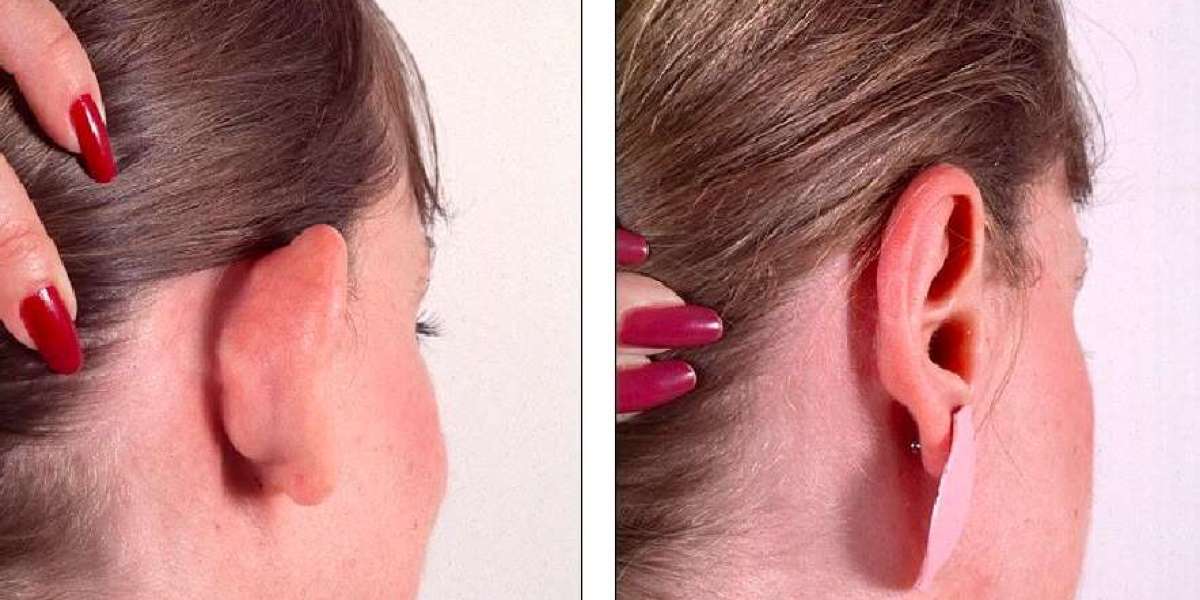

Modern cosmetic procedures provide options for addressing these concerns. Ear reshaping surgery in Islamabad helps suitable candidates improve the shape, position, and proportions of their ears through a personalised surgical approach.
Understanding Prominent Ears
Prominent ears are ears that project noticeably outward from the sides of the head. This appearance may develop because of differences in cartilage structure, the natural folds of the ear, or the angle at which the ears sit.
Some people have prominent ears from birth, while others notice differences between their ears as they grow. The condition does not usually affect hearing, but individuals may seek cosmetic treatment to achieve a more balanced appearance.
The degree of prominence varies. Some ears extend slightly outward, while others are more noticeable from the front or side. A professional examination helps determine the underlying structure and whether surgery can provide the desired improvement.
What Does Ear Correction Surgery Involve?
Ear correction surgery, also called otoplasty, is designed to modify the position or shape of the outer ears. The procedure is planned according to each patient's anatomy and cosmetic goals.
Depending on the condition, the surgeon may reshape cartilage, create more defined folds, or reposition the ears closer to the head. Small incisions are commonly placed behind the ears so that resulting scars are less visible.
The aim is to create a natural appearance while maintaining appropriate proportions. Both ears are assessed carefully to improve symmetry without making unnecessary changes to their original structure.
Common Reasons for Considering Treatment
People consider prominent ear correction for several reasons. Some want to reduce the outward projection of their ears, while others are concerned about differences in shape or positioning.
Common concerns include:
Ears that appear too far away from the head
Uneven positioning between the right and left ears
Poorly defined cartilage folds
An unusual shape that affects facial proportions
Changes in ear appearance following an injury
The decision to undergo surgery should be based on personal preferences rather than outside pressure. Patients should have a clear understanding of the procedure and its limitations before choosing treatment.
Who Can Benefit from Ear Surgery?
Otoplasty may be suitable for children and adults who are concerned about the appearance of their ears. In children, surgeons generally wait until the ears have developed sufficiently before considering surgery.
Adults can also be candidates if they are in suitable general health and have realistic expectations. During an initial consultation, the surgeon evaluates cartilage structure, skin condition, medical history, and the patient's desired outcome.
Not every individual requires the same surgical technique. A personalised assessment helps identify the most appropriate approach and whether the expected changes are achievable.
Preparing for the Procedure
Preparation begins with a detailed consultation. Patients should explain what they would like to improve and discuss any previous surgeries, medical conditions, allergies, or medications with the surgeon.
The medical professional may provide instructions about eating, drinking, medication use, and other preparations before surgery. Patients should follow these recommendations carefully.
It is also helpful to arrange transportation and support during the initial recovery period, particularly when general anaesthesia is planned. Understanding the treatment process beforehand can make the experience more comfortable and organised.
What Happens During Recovery?
After surgery, patients may experience temporary swelling, bruising, tenderness, or mild discomfort around the ears. These effects are generally part of the normal healing process and gradually improve.
A dressing or supportive headband may be recommended to protect the ears and help maintain their new position. Patients should avoid sleeping directly on the treated area and follow instructions about keeping the surgical site clean.
Activities that could bend, pull, or place pressure on the ears should be avoided during recovery. Returning to exercise, sports, and other demanding activities should depend on the surgeon's advice.
Follow-up visits are important because they allow the medical team to assess healing and provide guidance if any concerns develop.
Expected Results and Possible Risks
Ear correction surgery can improve ear positioning and create a more balanced appearance. However, the final outcome depends on the patient's anatomy, healing process, and surgical technique. Results may take time to become fully visible as swelling decreases.
Like every surgical procedure, otoplasty has potential risks. These can include infection, bleeding, visible scarring, changes in sensation, asymmetry, or dissatisfaction with the outcome. Some patients may require additional treatment.
A thorough consultation helps patients understand these risks and make an informed decision. No clinic or surgeon should guarantee a perfectly symmetrical result.
Selecting a Clinic for Otoplasty in Islamabad
Choosing a suitable clinic is an important part of the treatment journey. Patients should consider the surgeon's qualifications, experience with ear procedures, consultation process, surgical facilities, and availability of follow-up care.
It is equally important to receive clear information about costs, recovery expectations, possible complications, and the proposed surgical method. Taking time to discuss these details can help patients feel more confident about their decision.
Take the First Step Towards Balanced Ear Proportions
Prominent ear correction can be an option for individuals who want to improve the position or shape of their ears. Learning about the procedure, discussing expectations with a qualified surgeon, and following proper aftercare instructions all contribute to a more informed treatment experience.
For professional guidance and information about available cosmetic procedures, patients can contact enfield royal clinic. A personalised consultation can help determine suitable options based on individual ear structure, preferences, and treatment goals.