
Unmanned aerial vehicles are becoming an important part of modern aviation, supporting applications that extend across defense, industrial monitoring, emergency response, infrastructure inspection, and specialized commercial operations. As these aircraft become more sophisticated, the technologies responsible for their propulsion are receiving greater attention. UAV turboshaft engines represent an important area of aerospace engineering because they provide mechanical power for aircraft configurations that depend on rotor-driven flight.
The increasing focus on unmanned aircraft engine technology highlights the importance of developing propulsion systems that can support specialized flight requirements. Turboshaft engines offer a distinct operating approach by converting energy from expanding combustion gases into mechanical shaft power. This makes them particularly relevant for rotary-wing UAVs and aircraft requiring controlled hovering, vertical takeoff, and landing capabilities.
Evolution of Unmanned Aircraft Propulsion
The UAV industry has experienced significant technological development as manufacturers explore aircraft capable of performing increasingly complex missions. Early unmanned platforms often focused on relatively straightforward operational requirements, while modern designs incorporate advanced navigation, communication, flight-control, and monitoring capabilities.
These developments have encouraged manufacturers to examine propulsion technologies that can support different aircraft configurations.
Electric propulsion is suitable for various lightweight UAV applications, while conventional combustion engines remain relevant for aircraft requiring different operational characteristics. Turboshaft engines provide another option, particularly for rotary-wing platforms that require mechanical power to operate their rotor systems.
The development of specialized turboshaft engines requires close coordination between propulsion engineers and aircraft designers. Engine dimensions, weight distribution, power transmission, cooling arrangements, and aircraft architecture must work together to achieve a functional propulsion solution.
Increasing Importance of Defense Applications
Defense and security applications remain important areas for unmanned aviation development. Military organizations are exploring UAV platforms for reconnaissance, surveillance, observation, monitoring, and other mission-related activities.
Rotary-wing UAVs can offer operational flexibility in environments where conventional aircraft may face limitations. Their ability to take off and land vertically can make them useful in locations without established runway infrastructure.
Turboshaft engines can support these aircraft by supplying mechanical power to rotor systems. Their application is particularly relevant when aircraft designers require propulsion arrangements suitable for controlled hovering and maneuverability.
The development of defense-oriented UAVs also creates engineering requirements related to reliability, environmental resistance, maintenance accessibility, and operational safety.
Manufacturers must consider how propulsion systems will perform under different environmental conditions. Temperature variations, dust, vibration, and demanding operating cycles can influence engine design and maintenance planning.
Lightweight Engineering and Advanced Materials
Weight management is one of the major considerations in modern UAV development. Aircraft manufacturers must balance structural strength, payload capacity, propulsion requirements, and operational flexibility.
For turboshaft engines, lightweight engineering can help manufacturers develop propulsion systems that integrate more effectively with specialized unmanned aircraft.
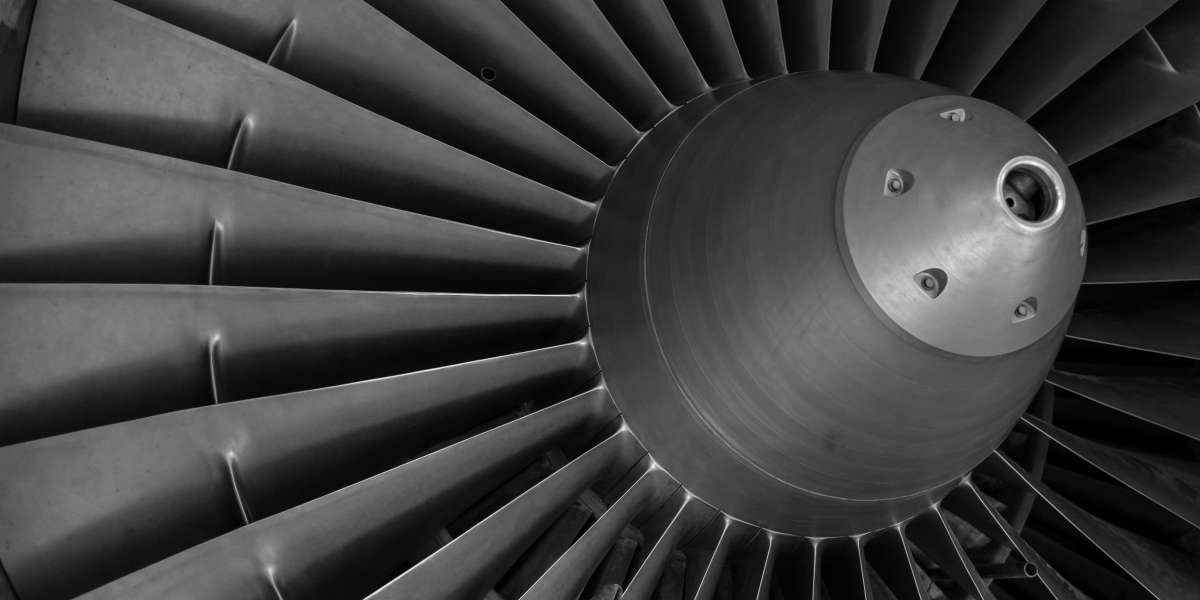
Advanced materials are becoming increasingly relevant in this area. High-temperature-resistant alloys, specialized coatings, and advanced manufacturing techniques can support the development of components designed for demanding turbine operating conditions.
Material selection is especially important for turbine components exposed to elevated temperatures and mechanical stress. Engineers must evaluate durability, resistance to thermal fatigue, structural integrity, and manufacturing feasibility.
Component optimization can also help improve engine packaging and integration. These considerations are important for manufacturers working on compact aircraft platforms with limited installation space.
Digital Monitoring and Intelligent Engine Management
Digital technology is influencing the way aerospace propulsion systems are designed, monitored, and maintained.
Modern engine management approaches can incorporate sensors and electronic control systems to monitor operating conditions. These systems can provide information about temperature, pressure, vibration, and other engine parameters.
For UAV operators, monitoring capabilities can support maintenance planning and operational awareness. Identifying unusual operating conditions may help maintenance teams investigate potential issues before they affect aircraft availability.
Predictive maintenance is another developing area. By examining engine performance information over time, operators can work toward more informed maintenance schedules.
Digital integration also creates opportunities to connect propulsion monitoring with broader aircraft management systems. This allows engine performance information to become part of a more comprehensive operational picture.
Commercial and Industrial Opportunities
Beyond defense, UAV turboshaft engines may find applications in specialized commercial and industrial aircraft.
Infrastructure monitoring is one area where unmanned aircraft can support inspection activities. Energy facilities, remote industrial installations, and difficult-to-access structures can require aerial observation and monitoring.
Emergency response operations also represent a potential application area. UAVs may assist with disaster assessment, search activities, and observation of locations where conventional access is difficult.
In industrial environments, rotary-wing UAVs can offer advantages when hovering and controlled positioning are important. These capabilities can support specialized inspection and observation requirements.
However, the suitability of turboshaft propulsion depends on the aircraft's intended mission, operating environment, payload requirements, and overall design. Different UAV applications require different propulsion arrangements, making application-specific engineering essential.
Challenges Facing Manufacturers
The development of UAV turboshaft engines involves several challenges that manufacturers must address.
Engine complexity can increase manufacturing and maintenance requirements. Turbine components must withstand demanding thermal and mechanical conditions, while the overall propulsion system must integrate with aircraft structures and control technologies.
Fuel consumption and engine efficiency are also important considerations. Manufacturers must evaluate propulsion performance in relation to aircraft endurance, mission requirements, and operating costs.
Noise, vibration, thermal management, and maintenance accessibility can influence the suitability of a particular engine design.
Additionally, aviation regulations and certification requirements create important considerations for manufacturers and operators. Unmanned aircraft must satisfy applicable operational and safety requirements before entering specific aviation environments.
Future Development of UAV Turboshaft Engines
The future of UAV turboshaft engine technology will be influenced by developments across aerospace manufacturing, defense modernization, digital engineering, and unmanned aircraft design.
Manufacturers are likely to continue exploring improved component materials, compact engine architectures, advanced control systems, and more effective maintenance technologies.
Greater cooperation between propulsion developers and UAV manufacturers could also support better integration between engines and aircraft platforms.
As unmanned aviation expands into increasingly specialized applications, propulsion requirements will continue to evolve. Turboshaft engines may remain an important technology for aircraft designs where mechanical power and rotor-based flight capabilities are essential.
Ultimately, continued engineering innovation and application-focused development will shape how these propulsion systems contribute to the next generation of unmanned aviation.
Frequently Asked Questions
Q1. Why are turboshaft engines important for advanced UAVs?
Turboshaft engines generate mechanical shaft power that can drive rotor systems. This makes them relevant to unmanned helicopters and other rotary-wing UAVs requiring hovering and vertical flight capabilities.
Q2. What technologies are influencing UAV turboshaft engine development?
Important development areas include advanced materials, digital engine monitoring, electronic control systems, thermal management, lightweight engineering, and predictive maintenance technologies.