

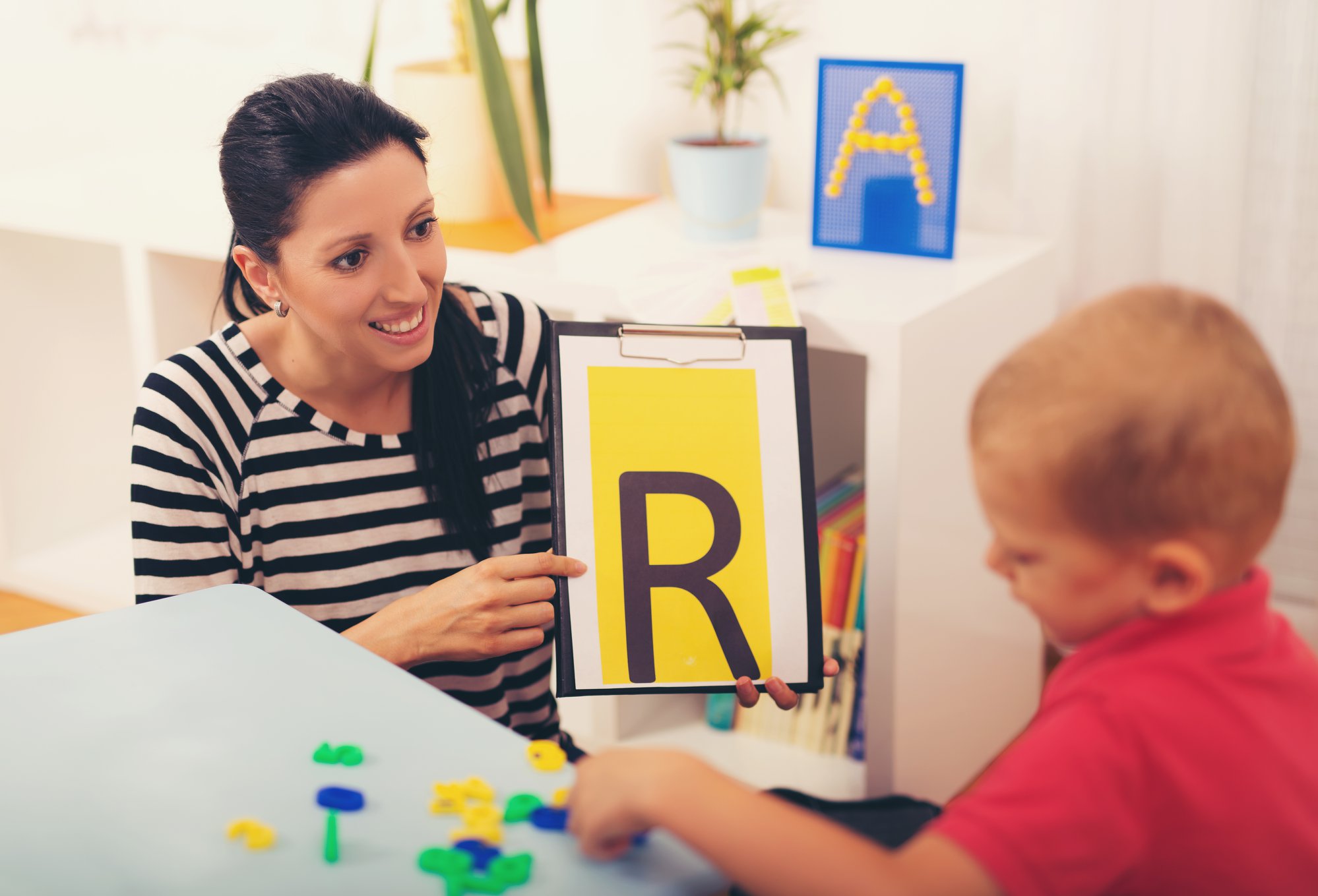
Communication sits at the center of almost everything a child does—from asking for help with a puzzle and sharing feelings to following classroom instructions and building confidence with classmates. When speech or language challenges go unaddressed, children may withdraw from group activities, rely on pointing or tantrums to be understood, or struggle when schoolwork demands stronger verbal and listening skills. Structured pediatric speech therapy gives children tailored, evidence-informed support to strengthen articulation, expressive language, listening comprehension, and social communication at a pace that feels encouraging rather than overwhelming.
A skilled clinician starts by observing how a child communicates naturally across different activities and contexts rather than relying on a single checklist. One child may understand rich vocabulary and complex ideas yet struggle to form certain consonant sounds clearly; another may speak fluently in short phrases but find it hard to answer "why" questions, follow multi-step directions, or take turns in conversation. Pinpointing those exact strengths and gaps allows goals to be clear, measurable, and relevant to real daily life.
Progress in therapy works best when sessions feel purposeful yet playful. Young minds stay engaged when practice is woven into turn-taking games, imaginative role-play, building blocks, picture cards, and everyday problem-solving. Rather than drilling isolated sounds in a rigid way, therapists help children carry new skills into real sentences and real conversations so changes stick outside the therapy room.
Family partnership is just as vital as what happens during a scheduled session. Parents and caregivers know a child's favorite toys, daily triggers, and subtle non-verbal cues better than anyone else. Simple habits—such as giving unhurried response time, modeling clear words naturally without constant correction, narrating daily routines, and reading together—keep momentum going throughout the week.
Therapy For Success approaches child communication support with individualized planning, attentive clinical care, and practical collaboration with families. By keeping sessions engaging and tailored to each child's needs, the team helps young learners communicate more clearly and comfortably in daily life.
Clearer communication helps children feel heard, understood, and capable in every setting they enter. With consistent support and family involvement, kids can build strong communication foundations that serve them well in school and beyond.