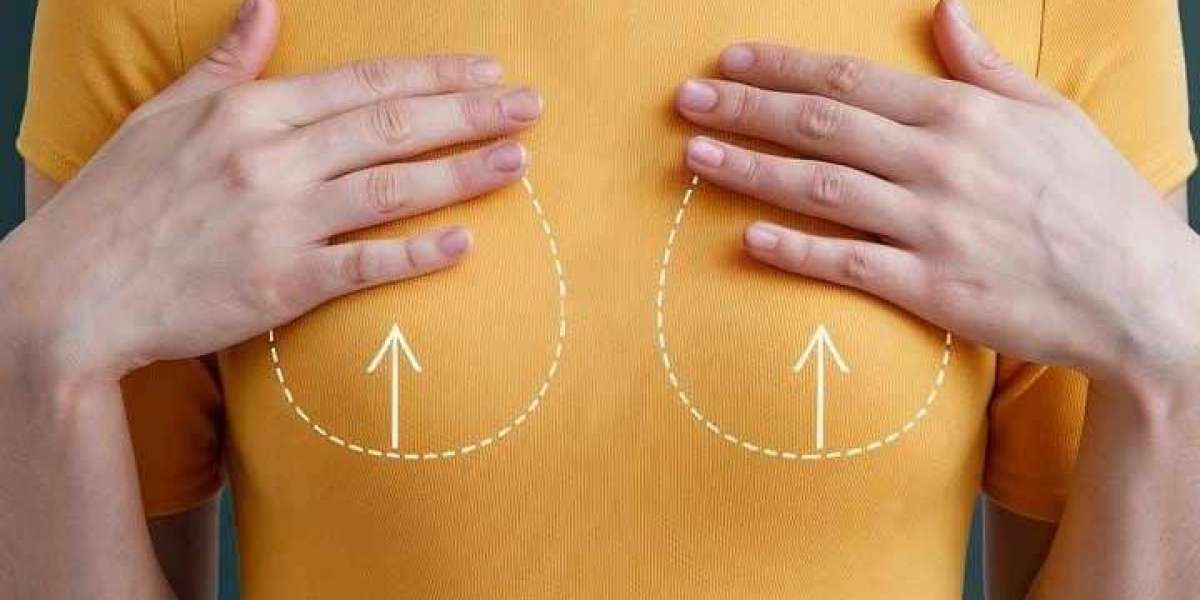

Preparing for fat transfer breast surgery involves more than arranging a procedure date. Patients need to understand the surgical process, complete any recommended medical assessments, and follow their surgeon's instructions before treatment. Proper preparation can help reduce avoidable risks and make the recovery process more organised. Anyone considering Fat Transfer Breast Augmentation in Dubai should begin with a detailed consultation and a clear understanding of what the procedure involves.
Breast fat transfer uses a patient's own fat, usually collected from areas such as the abdomen, thighs, or hips. The fat is processed and injected into the breasts to improve volume and shape. Since the procedure involves both liposuction and breast injections, preparation should cover the donor areas as well as the breasts.
Schedule a Detailed Consultation With Your Surgeon
The first step is to arrange a consultation with a qualified plastic surgeon who has experience in breast fat grafting. During this appointment, the surgeon will review your medical history, examine your breast anatomy, and discuss your cosmetic goals.
You should explain any previous breast procedures, existing medical conditions, allergies, and medications you currently take. This information helps the surgeon assess whether the procedure is appropriate for you.
The consultation is also the right time to discuss realistic results. Fat transfer usually provides modest volume enhancement, and some of the injected fat may be naturally absorbed by the body.
Breast Augmentation Lab
Breast Augmentation Lab highlights the importance of informed preparation before cosmetic breast treatment. Patients should understand the procedure, potential complications, recovery requirements, and expected limitations before making a decision. A qualified surgeon can explain the available options and help determine whether breast fat transfer matches the patient's individual needs.
Complete the Recommended Medical Assessment
Your surgeon may recommend a medical assessment before scheduling surgery. Depending on your health history and clinical needs, this may include blood tests, a general health review, or breast imaging.
The purpose is to identify factors that could affect surgery or recovery. Patients should provide accurate information about previous illnesses, operations, medications, and any unusual breast symptoms.
If you have noticed a breast lump, nipple discharge, skin changes, or persistent discomfort, discuss it with your healthcare professional before surgery. These concerns should be evaluated rather than assumed to be related to normal breast changes.
Review Your Medications and Supplements
Before surgery, provide your surgeon with a complete list of prescription medicines, over-the-counter products, vitamins, and herbal supplements you use.
Some medicines and supplements may affect bleeding, blood clotting, or anaesthesia. Your surgeon or anaesthetist will advise whether any adjustments are necessary and when they should be made.
Do not stop prescribed medication or begin new supplements without medical guidance. Following individual instructions is safer than relying on general advice from online sources.
Make Appropriate Lifestyle Adjustments
Your surgeon may recommend certain lifestyle changes before the procedure. Smoking and nicotine use can affect circulation and wound healing, so patients should discuss these habits openly and follow medical advice about stopping before and after surgery.
Maintaining a balanced diet and staying adequately hydrated can support general health. Patients should also avoid extreme dieting or sudden weight changes before treatment because changes in body fat may affect the donor areas and surgical planning.
If you have a medical condition that is not well controlled, your surgeon may recommend addressing it before proceeding.
Prepare Your Home for Recovery
Planning your recovery space before surgery can make the first few days more comfortable. Arrange a clean resting area with essential items within easy reach, including water, prescribed medicines, comfortable clothing, and phone chargers.
Patients may need help with daily activities immediately after surgery, particularly if liposuction involves multiple donor areas. Arranging assistance from a trusted person can make the recovery period easier.
You should also organise transport home because driving may not be appropriate immediately after anaesthesia or surgery.
Understand the Surgical Process
Knowing what happens during the procedure can help reduce uncertainty. Fat transfer breast augmentation generally involves collecting fat through liposuction, processing it, and injecting it into selected breast areas.
The surgeon chooses donor sites based on the patient's anatomy and available fat. The collected fat is prepared before being transferred using specialised injection techniques.
Not every injected fat cell survives. Some are reabsorbed, while others establish a blood supply and remain in the breast tissue. Patients should understand that the final result may take several months to become clearer.
Follow Eating and Drinking Instructions
Your surgical team will provide instructions about eating and drinking before the procedure. These instructions depend on the type of anaesthesia and the planned surgery.
Following the recommended fasting period is important because food or liquid in the stomach can create risks during anaesthesia. Do not guess the fasting time or rely on instructions intended for another patient.
If you accidentally eat or drink outside the recommended instructions, inform your surgical team before the procedure.
Arrange Time Away From Work and Exercise
Recovery time depends on the extent of liposuction, the areas treated, and individual healing. Patients should discuss their expected time away from work with the surgeon before scheduling surgery.
Strenuous exercise, heavy lifting, and activities that place pressure on healing areas may need to be restricted temporarily. Your surgeon will explain when you can gradually return to normal activities.
Avoid planning demanding commitments immediately after surgery. Giving yourself enough time to rest can make it easier to follow post-operative instructions.
Understand the Possible Risks Before Surgery
Fat transfer is a surgical procedure and carries potential complications. These may include infection, bleeding, swelling, bruising, changes in sensation, and irregularities at the donor sites.
Breast-related complications can include fat necrosis, oil cysts, calcifications, and uneven fat distribution. Some changes may also affect future mammograms or other breast imaging.
Patients should ask their surgeon how complications are monitored and what follow-up care is recommended. Any new breast lump or unusual change after surgery should be medically assessed.
Final Thoughts
Preparing for breast fat transfer involves medical assessment, lifestyle planning, medication review, and a clear understanding of the recovery process. Patients should follow their surgeon's individual instructions and make sure they understand the potential risks and limitations before proceeding.
Anyone considering Fat Transfer Breast Augmentation Dubai should choose a qualified plastic surgeon, discuss realistic expectations, and prepare carefully for both surgery and recovery.