
Managing waste is an important part of property maintenance, construction and renovation. Whether a homeowner is improving a garden or a contractor is working on a building project, unwanted materials can quickly take up valuable space.
Bricks, soil, concrete, timber and general construction debris need to be collected and transported safely so that work can continue without unnecessary disruption.
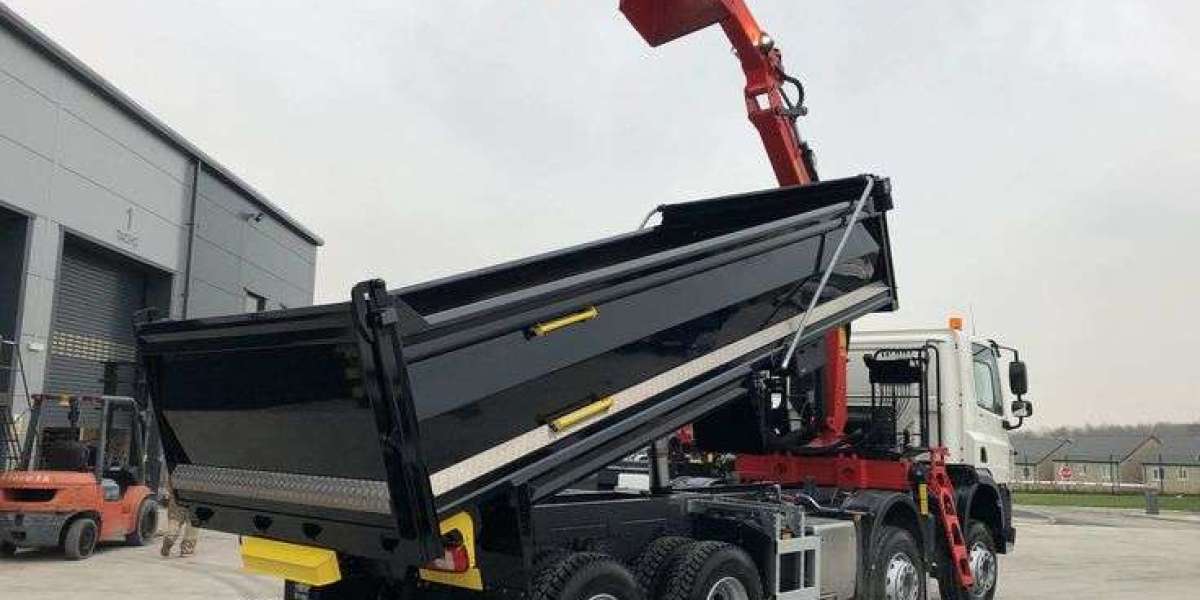
For projects involving substantial quantities of loose waste, Grab Hire Harrogate can provide a practical collection option. Grab lorries use a hydraulic loading arm to collect suitable materials and transport them away, reducing the amount of manual handling required in many situations. Understanding how this service works can help customers decide whether it is suitable for their particular requirements.
What Is Grab Hire?
Grab hire is a waste collection service that uses a specialized lorry fitted with a mechanical grab arm. The operator controls the arm to pick up suitable loose materials and load them into the vehicle.
Unlike some traditional waste removal arrangements, this method can allow materials to be collected directly from an accessible area without customers having to fill a container beforehand. It can be particularly useful for construction and landscaping projects where waste is produced in piles.
The service is not suitable for every material or location. Collection depends on the vehicle's reach, the position of the waste, the available access and the operator's accepted waste categories.
Why Convenience Matters in Waste Removal
Construction and renovation work can produce waste throughout the day. If materials remain scattered around a property, they may restrict movement, occupy working space and create additional hazards.
Arranging an appropriate collection can help keep the area more organised. Rather than allowing debris to accumulate indefinitely, customers can plan removal around the progress of the project.
A grab lorry may also reduce the need for workers to load every item manually. The mechanical arm can collect suitable loose materials, which can be useful when dealing with larger quantities of rubble, soil or aggregates.
For customers comparing waste collection options, Grab Hire Harrogate may be worth considering when the waste is suitable for mechanical collection and the property offers enough space for safe vehicle positioning.
Types of Materials That May Be Collected
The materials accepted by a grab hire provider vary according to its facilities, vehicle arrangements and waste management procedures. Common construction-related materials may include:
- Soil and suitable excavated earth.
- Bricks and broken masonry.
- Concrete and rubble.
- Hardcore and certain aggregates.
- Some types of green waste.
- Other accepted non-hazardous loose materials.
Customers should always confirm acceptance before booking. Mixed waste, bagged rubbish, household items and specialist materials may require a different collection arrangement.
Hazardous substances should never be placed into a general waste pile without proper assessment. Asbestos, chemicals and potentially contaminated soil require specialist handling and appropriate disposal arrangements.
How the Collection Process Works
The first step is to explain the job to the provider. Customers should describe the material, estimate the quantity and identify where it is located.
Photographs can help communicate the site's condition, particularly when access is restricted or the waste is spread across several areas.
The provider can then assess whether a grab lorry is suitable and discuss the collection arrangements. Vehicle access, turning space, overhead cables and the distance between the lorry and the material may influence the decision.
On the agreed date, the vehicle arrives and the operator assesses the working area before positioning the lorry. Suitable material is collected using the grab arm and loaded into the vehicle.
Once loading is complete, the waste is transported through the appropriate waste management arrangements. Customers should confirm what documentation or collection information will be provided.
Grab Hire Compared with Traditional Skips
Skips and grab lorries both offer useful waste collection options, but they work differently.
A skip is delivered to the property and remains there while customers fill it. This can be suitable when waste is produced gradually or when materials need to be stored before collection.
A grab lorry generally collects suitable loose materials during a scheduled visit. This may be more convenient when a pile of waste is already available and accessible.
The choice depends on the project. A skip may be more practical for mixed items that require sorting over several days, while a grab lorry can be useful for larger quantities of suitable loose materials.
Customers should compare the full service, including loading arrangements, accepted materials, collection timing and total cost.
Making Collection More Efficient
Good preparation can help prevent delays on collection day.
Before the vehicle arrives, customers should make sure that the waste is placed in an accessible location. The collection area should not be blocked by parked cars, stored materials or other obstacles.
It is also important to consider overhead restrictions. The grab arm needs suitable clearance to operate, and the lorry must be positioned on the ground that can safely support its weight.
Customers should avoid placing unsuitable materials into the collection pile. If there is uncertainty about an item, it is better to check with the provider in advance.
Responsible Waste Handling
Efficient collection should always be supported by responsible disposal. Waste should be transferred to an appropriate facility or authorized destination according to its classification.
Where practical, materials such as concrete, soil and metal may be directed towards suitable recovery or recycling processes. However, reuse and recycling depend on the condition and classification of the material.
In England, businesses and individuals have legal responsibilities relating to waste production and transfer. Customers should check that their chosen waste carrier is appropriately authorized and should retain relevant waste transfer documentation where required.
When Is Grab Hire a Suitable Choice?
Grab hire may be appropriate when a project generates a substantial quantity of loose, accessible material. Examples include driveway removal, garden excavation, building work and certain demolition-related activities.
It may be less suitable where waste consists mainly of small household objects, bagged rubbish or hazardous substances. Restricted access can also make collection difficult.
A discussion with the provider before booking helps establish whether another collection method would be more practical.
About mljgrabhire
Customers considering mljgrabhire for waste collection should contact the company to confirm its current grab hire services, accepted materials and service availability. Explain the quantity and location of the waste, along with any access restrictions. Request clear information about pricing, collection arrangements and disposal procedures before confirming the booking.
Conclusion
Removing construction and landscaping waste does not need to become a complicated part of a project. Choosing an appropriate collection method can help maintain usable space and reduce unnecessary manual handling.
When materials are suitable and the site allows safe vehicle access, Grab Hire Harrogate can offer a practical way to collect and transport loose waste. Planning ahead, checking accepted materials and arranging responsible disposal all contribute to a smoother experience.