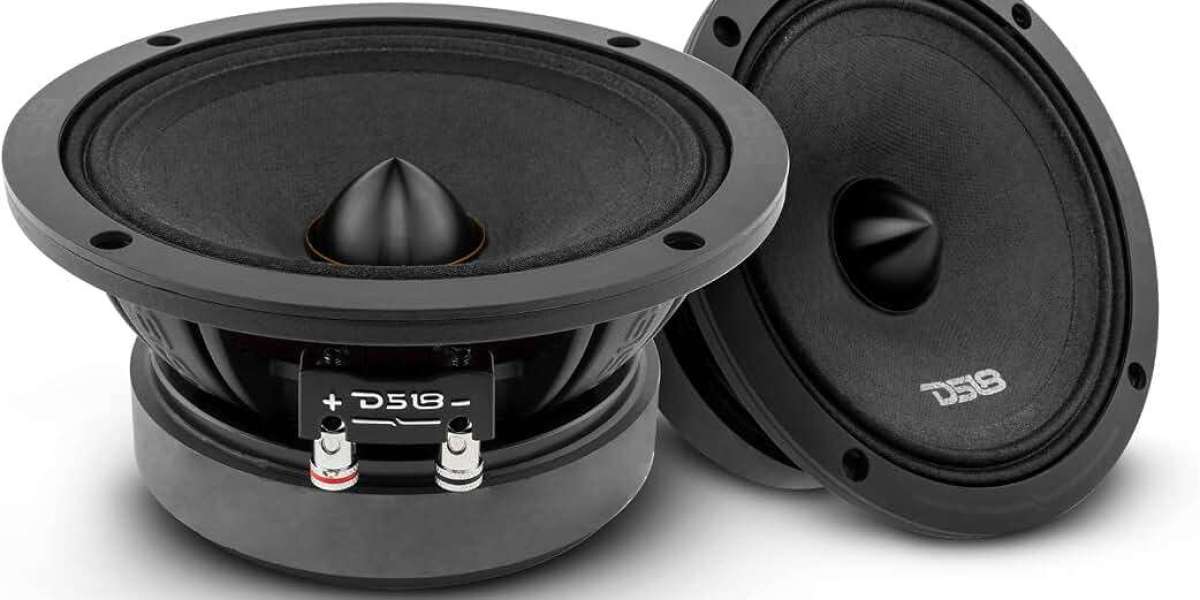

A rewarding in-car listening experience depends on more than simply installing powerful speakers or adding a large subwoofer. Every component needs to work together to reproduce music with depth, balance, and accuracy. From crisp high-frequency details to full-bodied vocals and controlled low-end impact, a well-planned setup can transform an ordinary vehicle interior into an engaging listening environment.
Building a capable system also requires attention to equipment compatibility, amplifier performance, speaker placement, enclosure design, and electrical support. Choosing components from a recognized automotive audio manufacturer can help create a consistent foundation, but the best results come from matching each product to the vehicle, listening preferences, and overall system goals.
Start With a Clear Understanding of Your Sound Goals
Before purchasing equipment, consider what you want your upgraded system to achieve. Some drivers prefer strong bass that adds weight to electronic music and hip-hop, while others value accurate vocals, instrument separation, and a balanced soundstage. Many listeners want both: impactful low frequencies without losing the clarity of the original recording.
A practical DS18 automotive sound setup should begin with a defined purpose rather than a collection of unrelated components. Think about the types of music you play most often, how loudly you listen, and whether you want a subtle factory-style improvement or a high-output system. These decisions influence speaker selection, amplifier power, subwoofer size, and installation requirements.
It is also important to consider the vehicle itself. Door depth, available mounting locations, cabin dimensions, and existing wiring can affect which products will fit and perform properly. Planning around these limitations helps prevent unnecessary purchases and makes installation more predictable.
Select Speakers That Reproduce Music Naturally
Speakers have a major influence on how a system presents vocals, instruments, and high-frequency details. A powerful amplifier cannot compensate for speakers that struggle with the frequencies they are expected to reproduce. Choosing suitable drivers helps create a more complete and enjoyable sound.
Different speaker types serve different purposes:
Coaxial speakers: Combine multiple drivers in one assembly, making them a practical option for straightforward factory speaker replacements.
Component speakers: Separate the woofer and tweeter to provide greater flexibility in placement and sound staging.
Midrange drivers: Focus on the frequencies that carry much of the detail in vocals, guitars, keyboards, and other instruments.
Tweeters: Reproduce higher frequencies, helping cymbals, percussion, and subtle musical details remain distinct.
When comparing models, look beyond maximum wattage. Pay attention to RMS power handling, impedance, sensitivity, frequency response, and physical dimensions. RMS ratings provide a more useful indication of continuous power capability than peak figures alone.
Sensitivity also matters. A speaker with higher sensitivity may produce more output from the same amount of amplifier power, although installation quality and acoustic conditions still influence the final result.
Build a Reliable Amplification Foundation
Amplifiers provide the power needed to drive speakers and subwoofers with control. Selecting an amplifier requires more than matching the advertised wattage of two products. The continuous output, impedance load, channel configuration, and intended application all need to align.
A four-channel amplifier can power front and rear speakers, while a monoblock amplifier is commonly used for a dedicated subwoofer. Multi-channel models may also support more complex configurations, depending on their specifications.
When evaluating amplification equipment, consider these points:
RMS output: Match continuous amplifier power with the speaker or subwoofer's recommended operating range.
Impedance compatibility: Confirm that the amplifier supports the final speaker or subwoofer load.
Channel requirements: Choose enough channels for the components you intend to operate.
Thermal performance: Allow sufficient ventilation and avoid placing equipment in enclosed spaces without proper airflow.
Adjustment features: Gain controls, crossovers, and other tuning options can help integrate the system.
Correct gain adjustment is especially important. Gain is not a volume control; it sets how the amplifier responds to the incoming signal. Excessive gain can introduce clipping, which may damage speakers and reduce sound quality. A properly configured amplifier delivers useful power without forcing the system beyond its operating limits.
Add Low-Frequency Impact Without Losing Control
Deep bass can give music a stronger physical presence, but achieving it requires the right combination of subwoofer, enclosure, amplifier, and installation. A subwoofer that produces impressive output on its own may still sound poorly integrated if the enclosure or crossover settings are unsuitable.
Consider the following factors when choosing a low-frequency driver:
Driver diameter: Larger drivers can move substantial amounts of air, but size alone does not determine bass quality.
RMS power handling: This helps establish the continuous power range the subwoofer is designed to handle.
Voice-coil configuration: Single- and dual-voice-coil designs offer different wiring possibilities.
Enclosure type: Sealed and ported enclosures produce different acoustic characteristics.
Available space: The enclosure must fit securely without interfering with vehicle operation or safety equipment.
A sealed enclosure often provides controlled, compact bass, while a ported design can deliver greater output around its tuning frequency when properly engineered. The correct choice depends on the subwoofer's specifications and the listener's priorities.
Avoid choosing an enclosure simply because it fits the available space. Internal air volume, port dimensions, and tuning frequency influence performance. An incorrectly sized enclosure can create unwanted peaks, reduce efficiency, or limit the driver's movement.
Treat Electrical Support as Part of the Upgrade
High-output systems place additional demands on a vehicle's electrical system. Amplifiers draw current according to their power requirements and operating conditions, so insufficient electrical support can contribute to voltage drops, unstable performance, and unwanted system behavior.
Start with properly sized power and ground cables. Cable selection should account for current demand, cable length, and the manufacturer's recommendations. Use secure connections, appropriate fusing near the battery, and a reliable grounding point with clean metal contact.
For more demanding installations, evaluate the condition and capacity of the battery, alternator, and charging system. Upgrading an amplifier without considering available electrical capacity can create problems that no amount of audio tuning will solve.
Keep power and signal wiring organized. Where practical, separate RCA signal cables from power cables to reduce the possibility of electrical interference. Protect cables from sharp edges, heat, moving parts, and areas exposed to moisture.
Improve the Listening Experience Through Careful Tuning
Even premium equipment needs proper adjustment. Tuning determines how each component contributes to the complete sound, helping prevent gaps, excessive overlap, and harsh frequency response.
Begin with crossover settings. High-pass filters protect smaller speakers from frequencies they cannot reproduce efficiently, while low-pass filters limit the frequencies sent to a subwoofer. These settings should reflect the capabilities of the installed drivers rather than rely on arbitrary numbers.
Next, adjust the subwoofer level so that bass supports the music instead of overpowering it. If vocals sound distant or instruments lack definition, review speaker levels, crossover points, and installation polarity. Small adjustments can make a noticeable difference.
Equalization can help address tonal imbalances, but excessive boosting often creates distortion and places additional demands on the equipment. Start with a relatively neutral setting, listen to familiar recordings, and make measured changes. Test different music styles to ensure the system performs consistently instead of sounding impressive with only one type of track.
Make Installation Quality a Priority
A successful upgrade depends on how well the equipment is installed. Loose speaker mounts, poorly secured wiring, air leaks around subwoofer enclosures, and inadequate amplifier ventilation can undermine otherwise capable components.
Use vehicle-specific mounting adapters where necessary and secure speakers firmly to reduce vibration. Apply suitable sound-deadening material to doors when appropriate, particularly if panel resonance affects midbass performance. Keep amplifier wiring protected and ensure all connections remain accessible for inspection.
Before completing the installation, verify speaker polarity, check impedance, inspect fuses, and confirm that no wires can contact moving or hot components. Test the system at moderate volume first, then gradually increase output while listening for distortion, rattling, or unusual behavior.
Professional installation can be valuable when a project involves custom enclosures, complex signal processing, high-current electrical upgrades, or integration with factory electronics.
Keep Performance Consistent Over Time
Once the system is operating correctly, routine inspection helps preserve its performance. Check amplifier connections, grounding points, speaker mounts, and enclosure hardware periodically. Excessive vibration can loosen fittings, while heat and moisture can affect wiring and electronic components.
Pay attention to changes in sound. New rattles, intermittent output, unusual amplifier temperatures, or sudden drops in volume may indicate a connection problem or equipment fault. Addressing these issues early can prevent more expensive repairs.
A balanced upgrade is built through careful component matching, reliable electrical support, thoughtful installation, and patient tuning. When each part performs its intended role, the result is more than loud playback: it is a cohesive sound system that delivers clear musical detail, controlled bass, and dependable performance on everyday drives.