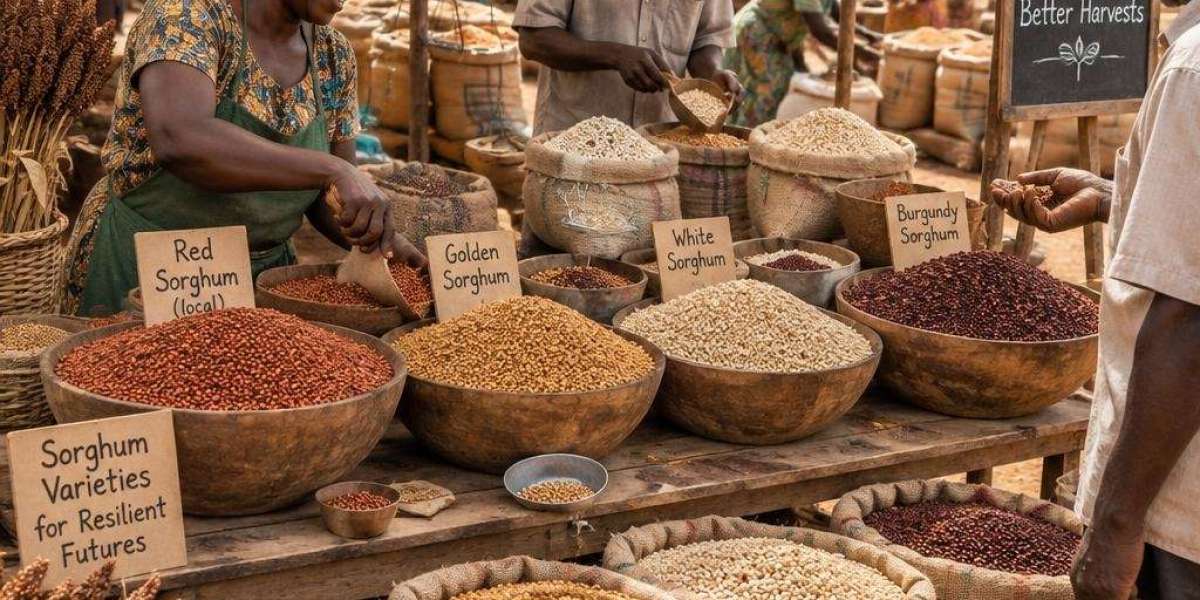

The global agricultural industry is continuously adapting to changing consumer preferences, evolving food requirements, and the need for more diversified agricultural production. Within this environment, sorghum has established an important position because of its multiple uses across food, feed, and industrial sectors. The Sorghum Seed Market is attracting attention from agricultural businesses that recognize the importance of developing suitable planting materials for different commercial applications.
One significant area of opportunity involves hybrid sorghum seed varieties . Hybrid seeds are developed through planned breeding activities to combine selected plant characteristics. Their development allows seed companies to target specific cultivation requirements, including grain production, crop uniformity, and adaptability to different environmental conditions. This creates opportunities for businesses to introduce specialized products and strengthen their relationships with agricultural producers.
The global market includes different types of sorghum seeds, each serving particular cultivation purposes. Grain sorghum is primarily associated with food and feed applications. Forage sorghum is cultivated to support livestock nutrition, while sweet sorghum is associated with its stalk characteristics and potential processing applications. Biomass sorghum is also relevant to businesses exploring agricultural materials for industrial purposes.
This product diversity allows seed manufacturers to serve different customer groups. Commercial grain producers, livestock farmers, food processors, and agricultural enterprises may have different expectations from their planting materials. Understanding these requirements is essential for companies planning their product portfolios.
The food processing industry presents an important commercial opportunity. Sorghum can be used in traditional food preparations as well as modern processed products. Flour, breakfast products, snacks, and other grain-based foods provide different opportunities for manufacturers. Food businesses are also exploring alternative ingredients to expand product offerings and respond to changing consumer interests.
Another opportunity comes from the livestock industry. Animal feed manufacturers require agricultural raw materials that can support different livestock feeding programs. Sorghum grain and forage can be incorporated into suitable feed formulations, creating connections between seed production and the broader animal agriculture industry.
Regional agricultural requirements also influence market development. Different regions have varying soil conditions, rainfall patterns, farming systems, and consumer preferences. Seed varieties that perform appropriately in one environment may not be equally suitable in another. Therefore, regional adaptation is an important consideration for manufacturers and agricultural distributors.
Research and development activities can help businesses respond to these differences. Breeding programs, field evaluations, seed processing improvements, and quality management practices contribute to product development. These activities also help companies understand the characteristics that farmers value when selecting planting materials.
Distribution is another important element of the competitive landscape. Agricultural dealers maintain relationships with local farmers and provide practical assistance during purchasing decisions. Direct distribution allows seed manufacturers to understand customer requirements more closely. Digital retailing provides another channel through which farmers can discover products and obtain information.
Brand reputation is particularly important in agricultural markets. Farmers often consider product reliability, seed quality, supplier accessibility, and the availability of technical guidance before selecting a seed brand. Companies that provide consistent customer support can establish stronger long-term relationships.
However, businesses must also consider challenges such as competition from alternative crops, changing agricultural input costs, inconsistent distribution networks, and differences in regional farming practices. Addressing these issues requires effective planning and a clear understanding of agricultural demand.
The future of the global Sorghum Seed Market will be influenced by product specialization, breeding innovation, food industry developments, and growing interest in agricultural diversification. Companies that understand these interconnected opportunities can develop stronger strategies for participating in the evolving seed industry.
FAQs
Q1. What are the major product categories in the Sorghum Seed Market?
The major categories include grain sorghum seeds, forage sorghum seeds, sweet sorghum seeds, and biomass sorghum seeds.
Q2. Which industries create demand for sorghum seeds?
The food processing, livestock feed, agricultural production, and bioenergy-related industries contribute to demand for different sorghum seed varieties.