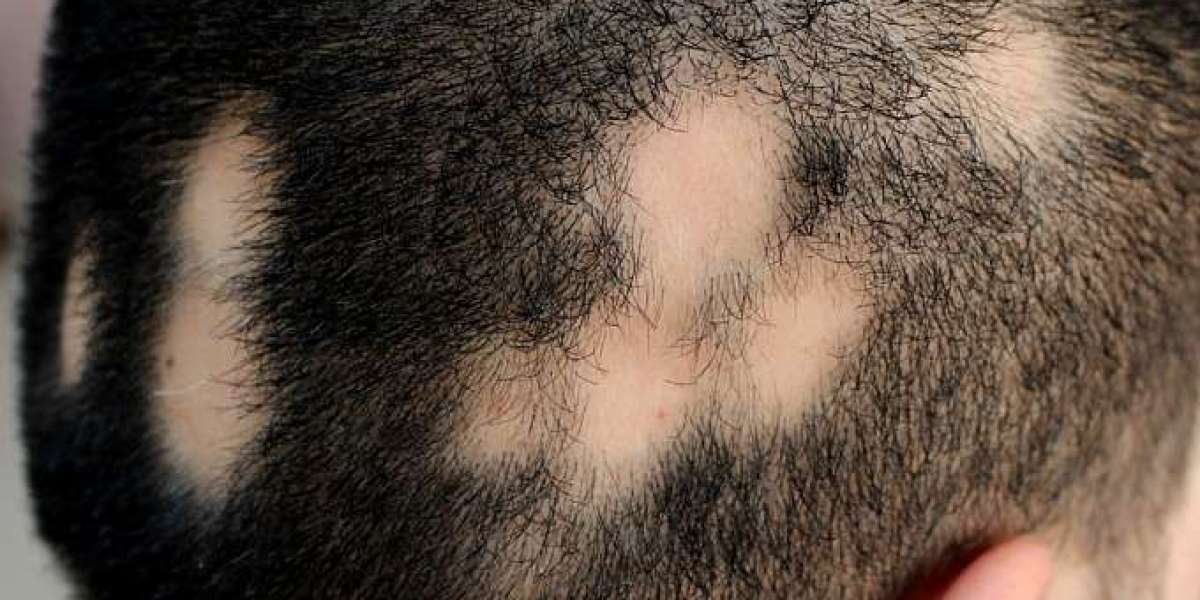

Experiencing sudden hair loss or round bald patches can be stressful, especially when the cause is unclear. Alopecia Areata in Islamabad is an autoimmune condition that affects hair follicles and causes hair loss in small, round patches. It can develop on the scalp, beard, eyebrows, or other areas of the body. Although it does not usually cause permanent damage to hair follicles, the condition can affect hair growth and confidence.
Before booking a treatment appointment, it is important to understand the condition, available treatment options, and the qualifications of the healthcare professional. Choosing an appropriate treatment approach requires proper evaluation rather than relying on advertisements or promising quick results.
If you are considering alopecia areata treatment in Islamabad, knowing what to expect can help you make a more informed decision. Here are five important things to consider before booking your appointment.
Understand What Alopecia Areata Is
The first step before booking treatment is understanding the condition. Alopecia areata occurs when the immune system mistakenly attacks healthy hair follicles, disrupting normal hair growth.
It commonly appears as one or more smooth, round bald patches. However, its presentation can vary from person to person.
Common signs include:
Small, circular or oval bald patches on the scalp.
Sudden hair loss without noticeable scarring.
Hair loss in the beard, eyebrows, or eyelashes.
Changes in fingernails, such as small dents or roughness.
New bald patches appearing over time.
Alopecia areata is different from common pattern baldness because it is associated with an autoimmune response rather than simply genetic hair thinning.
Understanding these symptoms is important because not every type of hair loss is alopecia areata. Conditions such as fungal infections, nutritional deficiencies, hormonal changes, and other scalp disorders can also cause hair loss.
A qualified healthcare professional can assess your symptoms and recommend appropriate investigations when necessary.
Get a Proper Diagnosis Before Starting Treatment
One of the most important things to know before booking an appointment is that successful treatment planning begins with an accurate diagnosis.
Although bald patches are a common sign of alopecia areata, visual examination alone may not always be sufficient. A healthcare professional should evaluate your scalp condition, medical history, and pattern of hair loss.
During the consultation, you may be asked about:
When you first noticed hair loss.
Whether the bald patches are increasing in size.
Any family history of autoimmune conditions or hair loss.
Previous hair loss treatments or medications.
Recent illnesses, stress, or changes in overall health.
Depending on your symptoms, the specialist may recommend a scalp examination, dermoscopy, blood tests, or occasionally a scalp biopsy to rule out other conditions.
Why does diagnosis matter?
An accurate diagnosis helps distinguish alopecia areata from other hair disorders. It also allows the healthcare professional to determine the extent of hair loss and select an appropriate management plan.
Avoid starting medicated creams, injections, or other procedures without professional guidance.
Explore Available Alopecia Areata Treatment Options
Before booking treatment, understand that alopecia areata does not have one universal treatment suitable for everyone. The recommended approach depends on the severity, location, duration, and progression of hair loss.
Some people experience spontaneous hair regrowth, while others require medical treatment.
Common treatment approaches include:
Corticosteroid Treatments
Corticosteroids may help reduce the immune system's inflammatory response around hair follicles. Depending on the affected area and severity, a specialist may recommend topical preparations or injections.
Topical Minoxidil
Minoxidil is sometimes recommended as an additional treatment to support hair regrowth. However, it does not directly treat the underlying autoimmune process.
Immunotherapy
For selected patients with more extensive or persistent alopecia areata, contact immunotherapy may be considered under specialist supervision.
Oral Medications
Certain oral medications, including JAK inhibitors, may be appropriate for some patients with severe alopecia areata. These require careful medical assessment, monitoring, and discussion of potential risks.
Before choosing a treatment, ask the healthcare professional about:
Expected benefits and limitations.
Possible side effects.
Treatment duration and follow-up requirements.
Whether multiple treatment sessions may be necessary.
The likelihood of recurrence.
Remember that hair regrowth varies between individuals, and no treatment can guarantee permanent results.
Check the Clinic's Experience and Professional Expertise
Choosing the right clinic is another important consideration before booking alopecia areata treatment. A professional clinic should focus on accurate assessment, patient safety, realistic expectations, and individualized care.
Do not select a clinic based only on promotional offers or claims of guaranteed hair regrowth. Instead, evaluate the qualifications and experience of the professionals involved in your treatment.
Consider the following factors:
Qualified professionals: Check whether the healthcare professional has relevant qualifications and experience in diagnosing and managing hair loss conditions.
Personalized consultation: The clinic should assess your individual symptoms instead of recommending the same treatment to every patient.
Transparent information: You should receive clear details about treatment options, costs, risks, and expected outcomes.
Follow-up care: Hair regrowth requires monitoring, and the clinic should explain how progress will be evaluated.
Patient safety: Treatment procedures and medications should follow appropriate medical standards.
If you are exploring treatment options locally, SKN Cosmetics in Islamabad is a clinic you can consider when researching professional hair and cosmetic care. Before booking, discuss your symptoms, ask about the professional responsible for your assessment, and confirm whether the clinic offers appropriate medical evaluation and management for alopecia areata.
The most suitable clinic is one that prioritizes your individual needs rather than promising unrealistic results.
Understand Aftercare, Treatment Duration, and Follow-Up
Booking your first appointment is only one part of the treatment journey. Alopecia areata management may require ongoing evaluation because hair regrowth and disease activity can change over time.
Some patients notice improvement within a few months, while others may need longer treatment or a different approach.
Aftercare recommendations may include:
Follow the prescribed medication schedule carefully.
Attend follow-up appointments as recommended.
Avoid using unverified hair growth products.
Maintain a balanced diet to support overall hair health.
Use gentle hair care products to reduce unnecessary irritation.
Inform your healthcare professional about new bald patches or treatment-related side effects.
It is also important to understand that alopecia areata can recur even after successful hair regrowth. Regular monitoring helps identify changes and allows the treatment plan to be adjusted when necessary.
Avoid comparing your progress with other patients because individual responses can differ significantly.
Final Thoughts
Booking alopecia areata treatment requires more than finding a clinic or selecting a popular hair restoration procedure. Understanding the condition, getting an accurate diagnosis, exploring appropriate treatment options, checking professional expertise, and preparing for follow-up care are all essential steps.
For individuals researching alopecia areata treatment in Islamabad, taking time to evaluate these factors can support better-informed healthcare decisions. A professional consultation is the best starting point for understanding your hair loss and discussing a treatment plan based on your individual condition.
Frequently Asked Questions (FAQs)
1. Can alopecia areata cause permanent hair loss?
It can, particularly in severe cases, but many people experience partial or complete hair regrowth.
2. Is alopecia areata contagious?
No, alopecia areata is an autoimmune condition and cannot spread from person to person.
3. How long does alopecia areata treatment take?
Treatment duration varies. Some patients notice improvement within a few months, while others need longer management.
4. Can alopecia areata affect eyebrows and beards?
Yes, it can affect the scalp, eyebrows, beard, eyelashes, and other body hair.
5. Does alopecia areata treatment guarantee hair regrowth?
No. Treatment may support regrowth, but individual results vary and recurrence is possible.