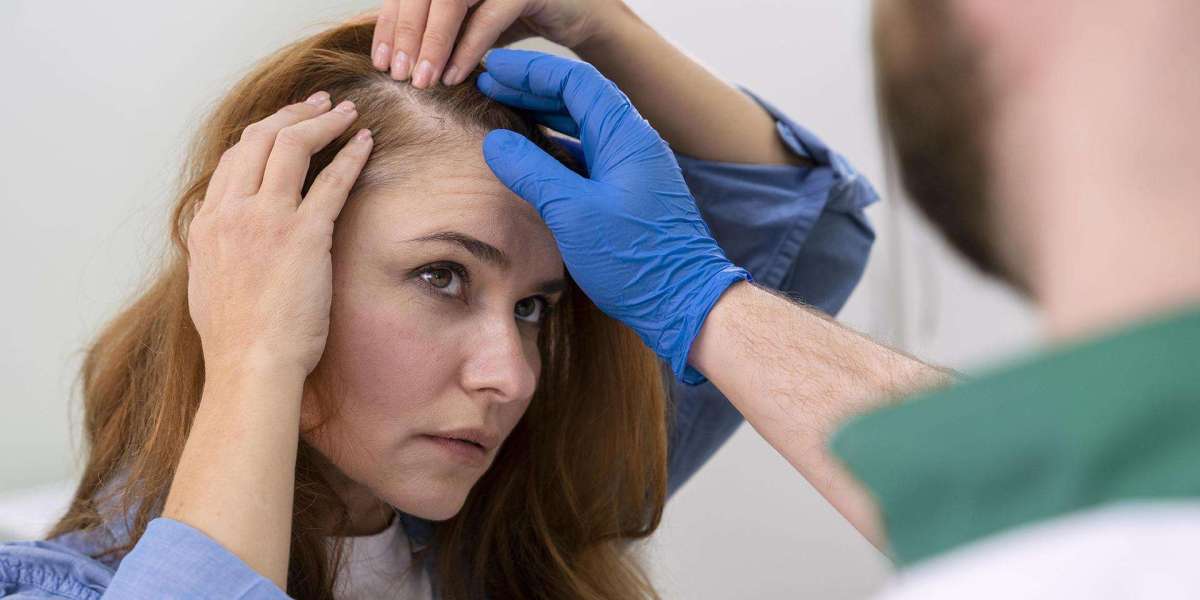

Hair loss can be a frustrating experience for both men and women. Whether you are experiencing a receding hairline, thinning hair, excessive shedding, or bald patches, finding the right treatment is an important step towards managing the problem. Hair loss can develop due to several factors, including genetics, hormonal changes, nutritional deficiencies, stress, medical conditions, and scalp disorders. Identifying the underlying cause is essential before selecting any treatment.
For individuals considering professional hair loss treatment in Islamabad, choosing an experienced clinic can make the process more informed and manageable. A qualified specialist can assess your scalp, understand your hair concerns, and recommend suitable treatment options based on your condition. This guide explains what to consider when selecting a professional hair loss clinic and how to make an informed decision.
Understand the Cause of Your Hair Loss
Before choosing a treatment, it is important to understand why your hair is falling out. Different causes require different management approaches, and a treatment that works for one person may not be suitable for another.
Common causes of hair loss include:
Genetic hair loss: Androgenetic alopecia can cause gradual hair thinning in men and women.
Hormonal changes: Pregnancy, menopause, thyroid disorders, and other hormonal changes may affect hair growth.
Nutritional deficiencies: Low levels of iron, vitamin D, and certain nutrients can contribute to hair shedding.
Stress and lifestyle: Physical or emotional stress, poor sleep, and inadequate nutrition may influence the hair growth cycle.
Scalp conditions: Dandruff, inflammation, infections, and certain skin disorders can affect scalp health.
A professional assessment helps determine whether your hair loss is temporary, progressive, or related to an underlying medical condition.
Look for Qualified Hair Restoration Professionals
The experience and qualifications of the professional managing your treatment should be among your main considerations. Hair restoration involves understanding hair growth cycles, scalp conditions, treatment limitations, and individual patient requirements.
When evaluating a clinic, consider the following:
Check the qualifications and relevant experience of the treating doctor.
Ask whether the specialist has experience managing your particular type of hair loss.
Review the clinic's approach to consultation and patient assessment.
Ensure that treatment recommendations are based on your condition rather than generic packages.
Discuss possible risks, expected outcomes, and recovery requirements.
A responsible professional should explain which treatments may help, which may not be appropriate, and whether further medical investigation is necessary.
Explore Available Hair Loss Treatment Options
Professional hair loss treatment is not limited to one procedure. The appropriate option depends on the cause, severity, medical history, and condition of the hair follicles.
Some commonly considered options include:
PRP Hair Treatment: Platelet-Rich Plasma (PRP) involves using a concentrated preparation of platelets obtained from the patient's own blood. It is injected into selected scalp areas and may help improve hair density in certain individuals. Results vary, and multiple sessions may be recommended.
Exosomes Hair Therapy: Exosome-based hair treatments are emerging approaches being explored for their potential role in supporting cellular communication and hair follicle activity. However, clinical evidence remains limited, and their effectiveness and regulatory status should be discussed with a qualified professional.
Medications: Depending on the diagnosis, a doctor may recommend evidence-based medications such as minoxidil or other appropriate treatments. These require proper guidance because effectiveness, side effects, and suitability vary.
Hair Transplant: For individuals with established pattern baldness and suitable donor hair, hair transplantation may be an option. Techniques such as Follicular Unit Extraction (FUE) and Follicular Unit Transplantation (FUT) relocate hair follicles from donor areas to areas experiencing thinning.
Scalp Micropigmentation: This cosmetic procedure creates the appearance of fuller hair through carefully applied pigment. It does not stimulate natural hair growth but may improve the visual appearance of thinning areas.
Choose a Clinic That Offers Personalised Consultations
A detailed consultation is an important part of professional hair loss management. Avoid selecting a treatment simply because it is popular or advertised as suitable for everyone.
During your consultation, the specialist may:
Examine your scalp and evaluate hair density.
Review your medical and family history.
Discuss the duration and pattern of hair loss.
Recommend blood tests or additional investigations when necessary.
Explain suitable treatment options and their limitations.
Develop a treatment plan according to your needs.
You should also have the opportunity to ask questions about treatment costs, expected timelines, maintenance, possible side effects, and follow-up appointments.
Evaluate Clinic Hygiene, Technology, and Patient Care
The quality of a hair restoration clinic involves more than its treatment menu. A professional environment should follow appropriate hygiene standards, use suitable equipment, and prioritise patient safety.
Consider these factors before making a decision:
Clean and properly maintained treatment rooms.
Appropriate sterilisation and infection-control practices.
Qualified professionals performing or supervising procedures.
Transparent information about treatment procedures.
Clear pre-treatment and aftercare instructions.
Regular follow-up to monitor progress.
A trustworthy clinic should never guarantee permanent results or promise unrealistic hair growth within a few days.
Why Consider SKN Cosmetics in Islamabad?
For individuals exploring professional hair restoration options in the capital, SKN Cosmetics in Islamabad is a clinic worth considering when researching available aesthetic and hair treatment services. Before selecting any clinic, patients should evaluate the qualifications of its treating professionals, available treatment options, consultation process, and approach to patient safety.
When considering SKN Cosmetics, prospective patients can discuss their hair concerns, explore potentially suitable options, and understand the treatment process before making a decision. It is important to request an individual assessment rather than assuming that every procedure is appropriate for every patient.
A good clinic experience should include clear communication, realistic expectations, transparent pricing, and guidance about follow-up care. These factors help patients make informed decisions about their hair restoration journey.
Compare Treatment Costs and Long-Term Requirements
Treatment costs in Islamabad can vary depending on the procedure, number of sessions, specialist experience, and individual requirements. A lower price should not be the only reason for selecting a clinic.
Before proceeding, ask for a clear breakdown of:
Initial consultation charges.
Procedure or session costs.
Number of recommended sessions.
Medicines and additional investigations.
Maintenance and follow-up expenses.
Understanding the complete treatment plan helps you evaluate affordability without compromising professional standards.
Maintain Realistic Expectations and Follow Aftercare
Hair restoration is generally a gradual process. Hair growth cycles take time, and visible improvements may require several months depending on the treatment and underlying condition.
Follow your specialist's recommendations regarding scalp care, prescribed medications, nutrition, and follow-up visits. Avoid experimenting with unverified products or combining multiple treatments without professional guidance.
Remember that successful hair loss management depends on accurate diagnosis, appropriate treatment selection, consistency, and realistic expectations.
Frequently Asked Questions (FAQs)
Q1. Which is the best treatment for hair loss?
The best treatment depends on the underlying cause, hair condition, and individual medical history.
Q2. Can PRP help with hair thinning?
PRP may improve hair density in some individuals, although results vary.
Q3. How long does hair loss treatment take?
Many treatments require several months before noticeable improvements can be assessed.
Q4. Is hair transplantation suitable for everyone?
No. Suitable donor hair, overall health, and the pattern of hair loss influence eligibility.
Q5. How do I choose a hair loss clinic in Islamabad?
Check professional qualifications, consultation quality, hygiene standards, treatment options, and patient care.
Final Thoughts
Choosing professional hair restoration care requires careful research and an understanding of your individual hair concerns. From identifying the underlying cause to comparing PRP, medications, exosome-based therapies, and hair transplantation, every decision should be guided by appropriate professional advice. If you are exploring hair loss treatment in Islamabad, prioritise qualified specialists, realistic treatment expectations, and personalised care. A well-informed approach can help you choose a suitable treatment strategy and manage your hair restoration journey with greater