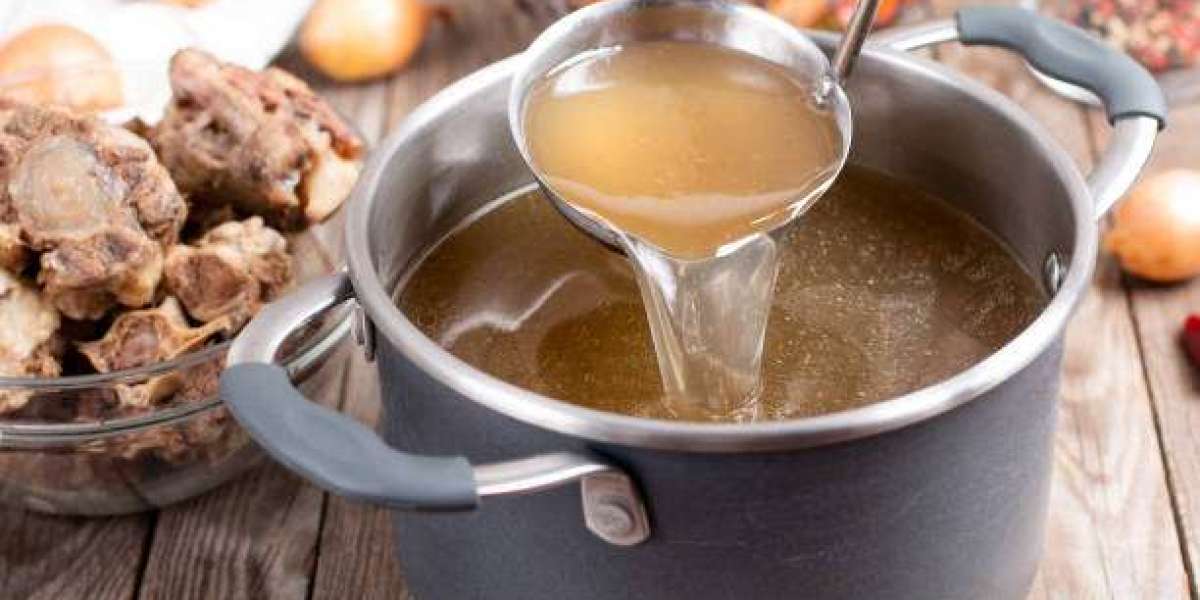

Bone Broth Market is experiencing changing product expectations as convenience, packaging innovation, and evolving food habits influence purchasing behavior. Traditional bone broth preparation can require considerable cooking time, making packaged alternatives attractive to consumers who want familiar culinary ingredients without preparing them from scratch. Manufacturers are introducing liquid, powdered, concentrated, and ready-to-use formats to serve different household and commercial requirements. These products can support everyday cooking, quick meal preparation, and specialty beverage applications. The development of convenient formats is helping bone broth become more accessible to consumers with different lifestyles and food preparation routines.
The increasing preference for ready-to-use savory meal bases and convenient broth solutions is encouraging manufacturers to improve product accessibility and preparation convenience. Liquid broth can be added directly to recipes, while powdered versions may offer easier storage and portion control. Concentrated products can provide another option for consumers and commercial kitchens seeking flexible preparation. Each format has different packaging, storage, and usage requirements. Brands that explain these differences clearly can help shoppers select products suited to their cooking habits and storage preferences.
Modern household routines are contributing to demand for products that simplify meal preparation. Consumers may use bone broth to prepare quick soups, cook grains, enrich sauces, or add flavor to one-pot meals. Ready-to-use products can reduce the need for lengthy preparation, particularly for individuals managing busy schedules. Smaller packaging formats may suit occasional users, while larger containers can appeal to households that cook frequently. Manufacturers can develop different pack sizes to serve varied consumption patterns. Convenient preparation instructions and versatile recipe suggestions can further improve product usability.
Shelf stability and storage requirements influence the development of packaged bone broth. Liquid products may require refrigeration or specialized processing, depending on the formulation and packaging method. Shelf-stable products can provide additional convenience for retailers and consumers by supporting longer storage under specified conditions. Powdered formats can offer another storage advantage when properly packaged and protected from moisture. Manufacturers must select suitable processing and packaging systems to preserve product quality and meet applicable food safety requirements. Clear storage instructions help consumers handle products appropriately after purchase.
Packaging innovation is also supporting product differentiation. Cartons, pouches, jars, and resealable containers provide different advantages depending on the product format and intended usage. Single-serving packs may appeal to consumers seeking portion convenience, while larger containers can support family cooking and foodservice applications. Packaging should be easy to open, store, and handle without compromising product protection. Manufacturers are also considering material selection and packaging efficiency as part of broader operational decisions. Effective packaging can improve shelf presentation while supporting distribution and storage requirements.
Retailers are adapting product assortments to reflect interest in specialty and convenient food products. Bone broth may be positioned alongside soups, stocks, cooking ingredients, and selected nutrition-focused products. Online grocery platforms provide another route for consumers to compare brands and product formats. Manufacturers can use digital listings to communicate serving suggestions, ingredient details, and storage information. Promotions, recipe partnerships, and multipack offers may help increase product visibility. Strong retail relationships and reliable inventory management are important for maintaining consistent product availability.
Commercial kitchens can also benefit from convenient bone broth formats. Restaurants and catering businesses may use broth as a foundation for soups, gravies, sauces, and prepared meals. Products that offer consistent flavor and predictable preparation can support kitchen efficiency. Bulk containers and concentrated formulations may be suitable for businesses with regular demand. Suppliers must consider delivery schedules, storage requirements, and customer specifications when serving this segment. Developing relationships with foodservice distributors can help manufacturers expand their reach beyond household retail channels.
Looking forward, convenience and product innovation are expected to remain important influences on the Bone Broth Market. Manufacturers can explore new packaging formats, flavor options, and preparation methods to meet changing consumer expectations. Shelf stability, reliable quality, and easy-to-understand product information will remain central to product development. Businesses that understand both household and commercial applications may identify opportunities across multiple distribution channels. As consumers continue seeking practical cooking solutions, packaged bone broth can maintain a useful role in contemporary food preparation.
Frequently Asked Questions
What are the main packaged bone broth formats?
Liquid, powdered, concentrated, and ready-to-use formats are commonly available.
Why are shelf-stable products attractive?
They can offer convenient storage when processed and packaged appropriately.
How do consumers use ready-to-use bone broth?
They add it to soups, sauces, grains, and other everyday recipes.