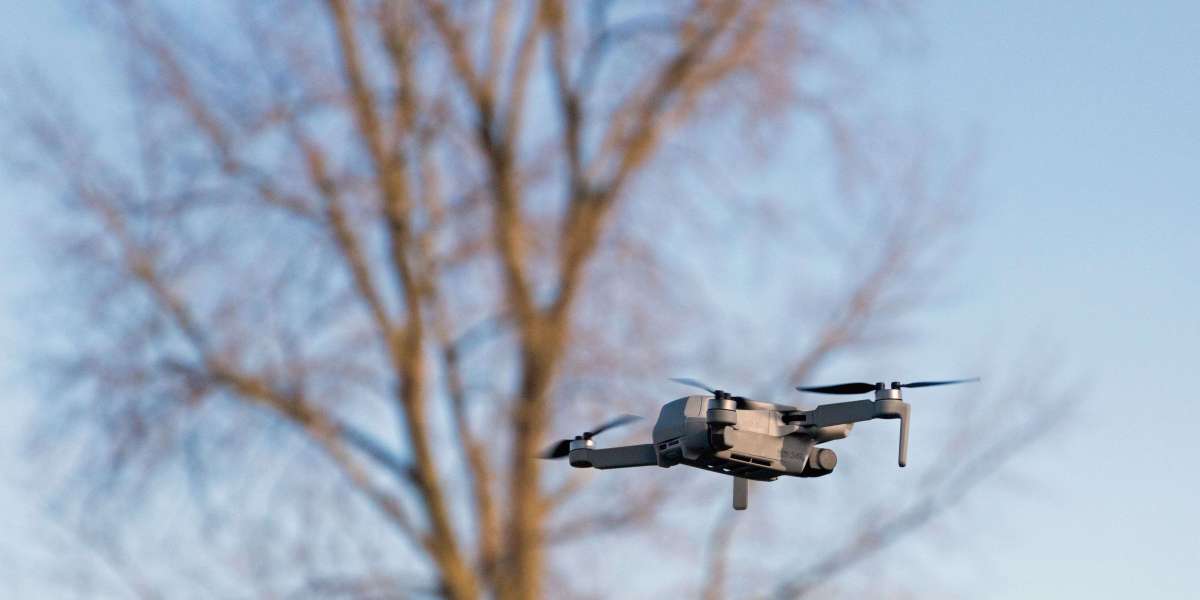

The increasing adoption of unmanned aerial vehicles has created new opportunities across commercial, industrial, and defense sectors. Drones are now used for activities such as aerial photography, infrastructure inspections, agricultural monitoring, logistics, surveying, and security operations. However, the expanding presence of these devices has also introduced new challenges for organizations responsible for maintaining controlled airspace. Unauthorized drone operations near sensitive facilities and restricted locations have encouraged greater attention toward counter-drone technologies. Within this changing environment, the UAV Jammer Market is gaining importance as organizations explore different approaches to aerial security.
The development of unmanned aerial vehicle protection systems is becoming increasingly relevant to modern security planning. These systems are associated with technologies designed to identify, monitor, and respond to unauthorized drone activity. UAV jammers form one part of this wider technology category, supporting specialized security requirements in authorized environments. Growing awareness of aerial security challenges is encouraging manufacturers, government organizations, and defense stakeholders to examine new solutions.
Increasing Demand for Advanced Airspace Protection
Airspace protection has become an important consideration for organizations operating sensitive facilities. Airports, military establishments, government buildings, industrial locations, and critical infrastructure may face security concerns associated with unauthorized drone operations.
The accessibility of commercial drone platforms has expanded their presence in everyday environments. Although most drone activities serve legitimate purposes, unauthorized operations can create potential safety and security concerns. This has encouraged organizations to review traditional security arrangements and consider additional technologies.
UAV jamming systems are designed to interfere with selected signals associated with drone operations. They are generally considered within broader counter-unmanned aircraft strategies rather than as independent solutions for every security situation.
Organizations evaluating these systems must consider their operational environment, existing surveillance infrastructure, regulatory requirements, and potential effects on surrounding communication networks. These considerations are shaping the way the industry approaches product development and deployment.
Role of Innovation in UAV Jammer Development
Technological innovation is an important factor influencing the evolution of the UAV Jammer Market. Manufacturers are exploring improvements in equipment design, system reliability, portability, and compatibility with broader security platforms.
Portable equipment is relevant for security operations that require temporary protection arrangements. Fixed installations may be considered for facilities that need continuous monitoring and established security infrastructure.
Another area of development involves improving the relationship between detection technologies and response systems. Identifying an unauthorized drone is an important part of aerial security management, but organizations also need reliable processes for assessing potential threats and coordinating appropriate responses.
The combination of different security technologies can help create a more comprehensive approach. Radar-based monitoring, optical identification, communication monitoring, and centralized security platforms may contribute to broader counter-drone capabilities.
These developments are encouraging manufacturers to consider complete security requirements instead of focusing exclusively on individual equipment features.
Growing Importance in Military and Defense Operations
Military and defense organizations have specialized requirements when it comes to protecting personnel, installations, equipment, and operational environments. The increasing presence of unmanned aircraft has made counter-drone capabilities an important consideration within modern defense planning.
UAV jammer technology is attracting attention as part of the wider range of electronic and security systems used to address unauthorized aerial activity. Defense organizations may evaluate different technologies depending on their operational requirements and the security environment.
The development of integrated security infrastructure is also influencing procurement considerations. Organizations increasingly need systems that can operate alongside existing surveillance and command arrangements.
Reliability, adaptability, equipment compatibility, and operator training are important considerations in these environments. Additionally, the use of signal-interference equipment must remain consistent with applicable laws and operational authorizations.
Commercial Applications and Infrastructure Security
The commercial security landscape is another area where counter-drone technology is receiving attention. Large industrial facilities, transportation infrastructure, energy installations, and selected private properties may require additional protection against unauthorized aerial activities.
For businesses, the presence of drones can create concerns involving privacy, operational disruption, and facility security. Organizations responsible for protecting sensitive locations are therefore examining different approaches to identifying and managing aerial activity.
Airports represent a particularly sensitive environment because aviation safety depends on maintaining appropriate airspace management. Any security technology considered for such locations must account for aviation requirements and avoid unnecessary interference with legitimate operations.
Energy facilities and industrial properties may also evaluate counter-drone solutions as part of their wider security planning. The growing interest in integrated protection systems creates opportunities for technology providers serving these specialized applications.
Product Development and Industry Competition
Competition among technology manufacturers is encouraging continued attention toward product development. Companies operating in the UAV jammer industry are exploring ways to improve equipment design, usability, integration, and reliability.
Customer requirements can differ significantly depending on the application. Government organizations may prioritize specialized security capabilities, while infrastructure operators may focus on compatibility with existing monitoring arrangements.
Manufacturers must also consider maintenance, equipment durability, technical support, and training requirements. These factors can influence purchasing decisions alongside the technical characteristics of individual systems.
Partnerships between technology developers, security integrators, and infrastructure operators may also contribute to industry development. Such collaborations can help address practical implementation requirements and encourage improvements in system integration.
Regulatory and Operational Challenges
Despite the growing interest in counter-drone solutions, regulatory considerations remain a major challenge for the UAV Jammer Market. Jamming equipment can interfere with radio-frequency communication, including services used by legitimate aircraft and other communication systems.
Consequently, the use of these technologies is subject to legal restrictions and authorization requirements in many jurisdictions. Organizations must understand applicable regulations before considering deployment.
Another challenge involves the continuously changing drone technology landscape. New aircraft designs and communication capabilities create an evolving environment for security providers.
Organizations must also consider implementation costs, maintenance responsibilities, personnel training, and integration with existing infrastructure. Addressing these challenges will be important for supporting responsible industry development.
Future Opportunities in the UAV Jammer Market
The future development of the UAV Jammer Market will be connected to the growing importance of airspace security and the continued adoption of unmanned aerial vehicles.
Demand for integrated counter-drone solutions, advanced monitoring technologies, and adaptable security infrastructure is expected to remain an important industry focus.
Manufacturers may find opportunities through improvements in equipment portability, system compatibility, software integration, and operational reliability. Greater cooperation between security providers and regulatory authorities will also be essential for responsible technology adoption.
Conclusion
The UAV Jammer Market is evolving as organizations recognize the importance of protecting sensitive locations from unauthorized drone activities. Defense modernization, commercial infrastructure security, technological innovation, and expanding drone applications are contributing to growing industry attention. Although regulatory and operational challenges remain, continued developments in integrated counter-drone technologies are creating opportunities for manufacturers and security providers. The industry's future will depend on its ability to deliver reliable, adaptable, and legally compliant solutions for modern airspace protection.
FAQs
Q1. Why is the UAV Jammer Market gaining attention?
The market is gaining attention because of increasing drone adoption and growing concerns about unauthorized aerial activities near sensitive facilities, restricted locations, and critical infrastructure.
Q2. What are the major application areas of UAV jammer technology?
Major areas of interest include defense installations, government security operations, airport protection, critical infrastructure security, and selected commercial security environments.