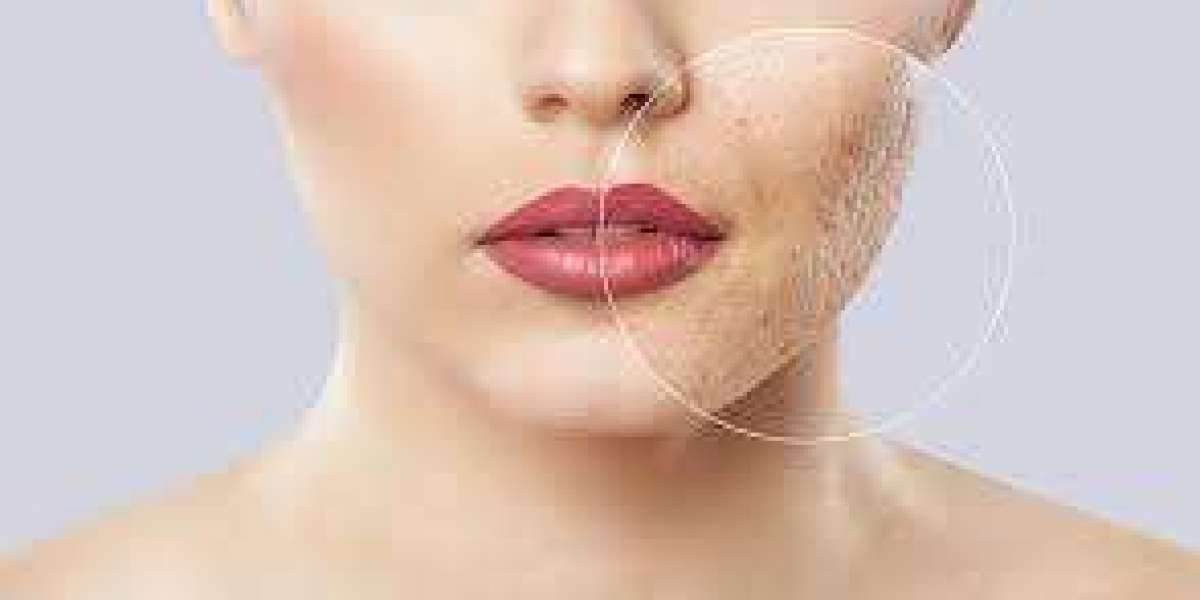

Not every scar responds the same way to reconstructive care. While a thin, flat line on the cheek may fade into a near-invisible crease after a straightforward outpatient procedure, a thick keloid on the chest or a tight burn band across a joint poses far greater surgical challenges. Patients exploring Surgical Scar Revision in Islamabad often wonder why one mark requires a single quick closure while another demands staged operations and months of combined therapy. Understanding the biological, anatomical, and mechanical factors behind stubborn scars helps you set realistic expectations and choose the safest path toward smoother, healthier skin.
Why Certain Scars Resist Standard Surgical Correction?
Surgeons evaluate every scar across multiple dimensions—including collagen behavior, surrounding skin tension, tissue depth, and blood supply—before recommending an operation. When several of these variables work against normal wound healing, revision becomes significantly more complex.
Keloid Biology and Overactive Collagen Synthesis
Unlike ordinary scars that stop growing once a wound closes, keloids behave like benign fibroproliferative growths that extend well beyond the original injury borders. Because the underlying skin cells are genetically programmed to overproduce dense collagen in response to any trauma, simply cutting a keloid out creates a fresh surgical wound that can trigger an even larger recurrence. Treating keloids requires pairing meticulous low-tension excision with immediate adjuvant therapies such as corticosteroid injections, silicone sheeting, or pressure therapy.
High-Tension Anatomical Zones
Skin is constantly pulled by underlying muscles and joint movement. Scars located over the sternum (chest), shoulders, upper back, knees, and elbows experience continuous mechanical stretching every time you breathe, reach, or walk. High tension stimulates fibroblasts to lay down thick, widened bands of collagen, making incisions in these areas much harder to keep narrow than scars tucked along natural facial creases.
Extensive Burn Contractures and Tissue Loss
Deep thermal or chemical burns destroy not just the outer epidermis, but also the underlying dermis, sweat glands, and elastic fat layers. As these wide wounds heal, they contract tightly, pulling adjacent skin, eyelids, lips, or joints out of their natural position. Because there is no spare local skin to pull together, surgeons cannot simply excise and stitch a burn contracture; instead, they must recruit healthy tissue from elsewhere.
Immature, Actively Remodeling Scars
Fresh scars remain red, firm, and biologically active for 12 to 18 months while internal collagen fibers reorganize. Operating on an immature scar—unless an urgent functional contracture demands early release—often provokes intense inflammation and thicker hypertrophic regrowth.
Core Benefits of Tailored Scar Revision
Even when a scar is complex, a customized surgical plan offers meaningful functional and cosmetic improvements:
Functional Mobility Restoration: Releasing tight contracture bands restores full range of motion across stiff necks, hands, shoulders, or facial features.
Improved Surface Contour and Texture: Depressed, tethered, or raised irregular scars can be leveled with surrounding skin so light reflects evenly across the surface.
Better Camouflage Along Natural Lines: Reorienting a scar that cuts across natural skin folds makes the healed line blend discreetly into existing anatomical creases.
Relief From Chronic Discomfort: Thick, tight scars frequently cause persistent itching, tenderness, or pulling sensations that subside once tension is relieved.
Surgical Procedure Details for Complex Scars
When standard elliptical excision is insufficient, reconstructive specialists rely on advanced geometric and tissue-transfer techniques during Surgical Scar Revision in Islamabad:
Z-Plasty and W-Plasty Reorientation: The surgeon designs interlocking triangular skin flaps to break up a long, straight scar and redirect it parallel to relaxed skin tension lines, lengthening tight bands by up to 75% or more.
Multi-Layered Tension-Free Closure: Deep absorbable dermal sutures bear the mechanical load beneath the surface so the top epidermal edges meet effortlessly without stretching.
Skin Grafting and Tissue Expansion: For wide burn scars lacking adjacent laxity, healthy skin grafts or gradually expanded neighboring tissue flaps replace damaged areas permanently.
Combined Multimodal Protocols: High-risk keloid or hypertrophic scars receive targeted intralesional steroid injections or laser resurfacing alongside surgical closure to calm collagen activity.
Patient Suitability and Candidacy
Ideal candidates for scar revision are physically healthy non-smokers whose original wound has matured for at least 6 to 12 months. Good nutritional status—including adequate protein, zinc, and vitamins A and C—supports strong collagen synthesis, while well-controlled blood sugar minimizes infection risks. Most importantly, candidates must hold realistic expectations: revision surgery transforms a prominent, restrictive mark into a finer, flatter scar, though no medical procedure can erase scar tissue completely.
Potential Risks and Complications
Every surgical intervention carries localized risks that increase when treating complex or high-tension scars:
Scar Widening or Hypertrophic Regrowth: Excessive early movement can stretch healing dermal layers.
Keloid Recurrence: Patients with a personal or family history of keloids face ongoing recurrence risk if post-operative steroid or silicone maintenance is skipped.
Pigment Alterations: Darker skin tones have a higher tendency toward temporary or lasting hyperpigmentation if healing skin is exposed to ultraviolet rays.
Delayed Healing or Wound Separation: Smoking, diabetes, or premature suture removal can compromise blood flow and weaken early wound edges.
Recovery Timeline and Essential Aftercare
Most localized scar revisions are performed under local anesthesia in 45 to 90 minutes, allowing patients to return home the same day. Light desk activities typically resume within 1 to 3 days, whereas heavy lifting or stretching exercises must wait 3 to 6 weeks depending on anatomical tension.
Strict aftercare protects your surgical investment throughout the 12-month maturation phase:
Keep the incision clean, dry, and supported with surgical strips as instructed.
Apply medical-grade silicone gel or sheets consistently once surface healing is complete to hydrate tissue and flatten collagen.
Protect the maturing scar daily with broad-spectrum SPF 50+ sunscreen to prevent dark UV discoloration.
Attend scheduled follow-ups for timely suture removal and prophylactic steroid injections if recommended.
Frequently Asked Questions (FAQs)
Why do scars on the chest and shoulders widen more easily after surgery?
The chest and shoulders undergo constant multidirectional pulling from breathing and arm movement, which places continuous mechanical tension on healing collagen fibers.
Can a keloid scar be cured permanently with surgery alone?
No. Excising a keloid without follow-up treatments carries a high recurrence rate, so surgeons always pair removal with steroid injections, silicone sheets, or pressure therapy.
How long does it take to see the final result of scar revision?
While structural tightness or raised bulk improves immediately, a newly revised scar takes 12 to 18 months to soften, flatten, and fade to its final color.
Does smoking really affect how a revised scar heals?
Yes. Nicotine constricts tiny blood vessels and deprives healing skin of oxygen, significantly raising the risk of wound separation and thick scarring.
Are non-surgical treatments needed after surgical revision?
Often yes. Combining surgery with fractional laser treatments, silicone therapy, or corticosteroid injections produces far smoother results on stubborn scars than any single method alone.
Conclusion
Understanding what makes certain scars more difficult to treat—from keloid genetics and high-tension joints to deep burn contractures—empowers patients to approach treatment with clarity and patience. Modern reconstructive techniques can dramatically soften texture, restore natural movement, and camouflage prominent marks when paired with disciplined aftercare. If you are considering Surgical Scar Revision in Islamabad, schedule a personalized consultation with a qualified reconstructive specialist to evaluate your skin's unique healing profile and design a safe, tailored treatment plan.