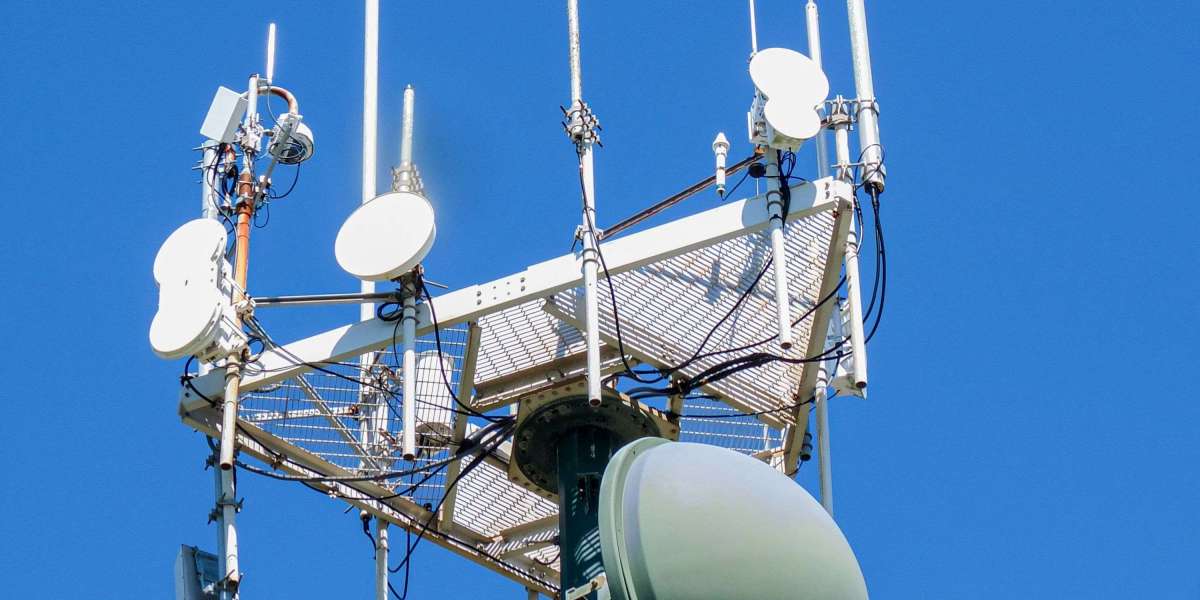

Protecting national boundaries and maintaining secure airspace are important responsibilities for governments and security organizations. These activities require monitoring technologies that can observe large areas, detect movement, and provide useful information to security personnel. Surveillance radar systems support these requirements by enabling organizations to monitor objects across different operational environments.
The increasing adoption of airspace and border surveillance radar solutions highlights the importance of advanced monitoring technologies in modern security infrastructure. Radar equipment helps organizations strengthen observation capabilities and coordinate surveillance activities. Its applications across aviation, military operations, coastal protection, and border monitoring demonstrate the flexibility of this technology.
Importance of Border Surveillance
Border protection requires continuous awareness of activities around national boundaries. Security organizations need dependable monitoring systems to observe movement and identify situations that may require further attention.
Surveillance radar systems can support these activities by detecting objects within designated monitoring areas. Their ability to operate across different environmental conditions makes them useful for locations where continuous observation is necessary.
Radar installations can also be integrated with cameras, communication systems, and command centers. This combination allows security personnel to access information through a coordinated monitoring environment.
Different border locations may require different surveillance configurations. Geographic conditions, infrastructure availability, and operational objectives influence the selection of suitable radar equipment.
Supporting Airspace Protection
Airspace protection is another important application of surveillance radar technology. Aviation authorities and defense organizations require monitoring solutions that help them observe aircraft movement and maintain awareness of surrounding airspace.
Radar systems provide information about detected airborne objects and support tracking activities. This information contributes to airspace observation and helps operators coordinate monitoring responsibilities.
Airports also depend on radar-based surveillance as part of their broader operational infrastructure. Reliable monitoring supports aviation management and helps personnel maintain awareness of aircraft activity.
The growing complexity of aviation environments makes the integration of monitoring technologies increasingly important. Radar systems can work alongside communication platforms and other surveillance equipment to support coordinated operations.
Coastal and Maritime Security Applications
Coastal security organizations face the challenge of monitoring extensive waterways and observing vessel movement. Surveillance radar systems contribute to maritime monitoring by providing information about objects operating across designated areas.
These systems can support the observation of vessel movement and help authorities maintain awareness of surrounding maritime activity. Their integration with coastal monitoring infrastructure can improve information sharing between different operational teams.
Ports and important maritime facilities may also use radar technology as part of their security arrangements. Monitoring capabilities can support the protection of infrastructure and help authorities coordinate observation activities.
The flexibility of radar equipment allows it to serve different maritime environments, depending on installation requirements and operational objectives.
Technological Innovation in Security Monitoring
Modern surveillance radar development is increasingly influenced by digital technologies. Manufacturers are focusing on improved processing capabilities, automated tracking, and better integration with monitoring infrastructure.
Advanced signal processing helps systems interpret received information and support object detection. Automated tracking capabilities can assist operators in monitoring movement over time.
Artificial intelligence and analytical software are also becoming relevant to surveillance operations. These technologies can support information organization and help identify patterns within monitoring environments.
Network connectivity is another important development area. Connected radar systems can exchange information with other security platforms, supporting coordinated observation and decision-making.
These developments are creating opportunities for organizations seeking more flexible and integrated surveillance infrastructure.
Factors Influencing Industry Development
The growing importance of national security and infrastructure protection is encouraging organizations to evaluate their surveillance capabilities. Governments and security agencies require technologies that can support continuous monitoring and address different environmental conditions.
Technological advancement is also influencing purchasing and modernization decisions. Organizations are increasingly interested in solutions that offer digital integration, reliable performance, and operational flexibility.
However, deployment decisions involve several considerations, including installation requirements, maintenance, technical training, cybersecurity, and compatibility with existing equipment.
Manufacturers must address these requirements while developing solutions suitable for different end users and operational environments.
Future Outlook for Border and Airspace Surveillance
Surveillance radar technology is expected to remain important as governments and security organizations continue modernizing their monitoring infrastructure. Developments in intelligent processing, connected systems, compact equipment, and automated tracking may create new opportunities for the industry.
The growing focus on integrated security solutions will also influence future radar development. Organizations are likely to prioritize technologies that can work effectively with existing surveillance and communication infrastructure.
Conclusion
Surveillance radar systems play an important role in airspace protection, border monitoring, and maritime security. Their ability to support continuous observation and object detection makes them valuable for modern security operations. Continued technological innovation and increasing monitoring requirements will contribute to their importance across different industries.
FAQs
Q1. How are surveillance radar systems used in border protection?
They help security organizations monitor designated areas, detect objects, observe movement, and maintain awareness around national boundaries.
Q2. What is the role of surveillance radar in airspace protection?
Surveillance radar helps detect and track airborne objects, providing information that supports airspace monitoring and coordinated aviation and defense operations.