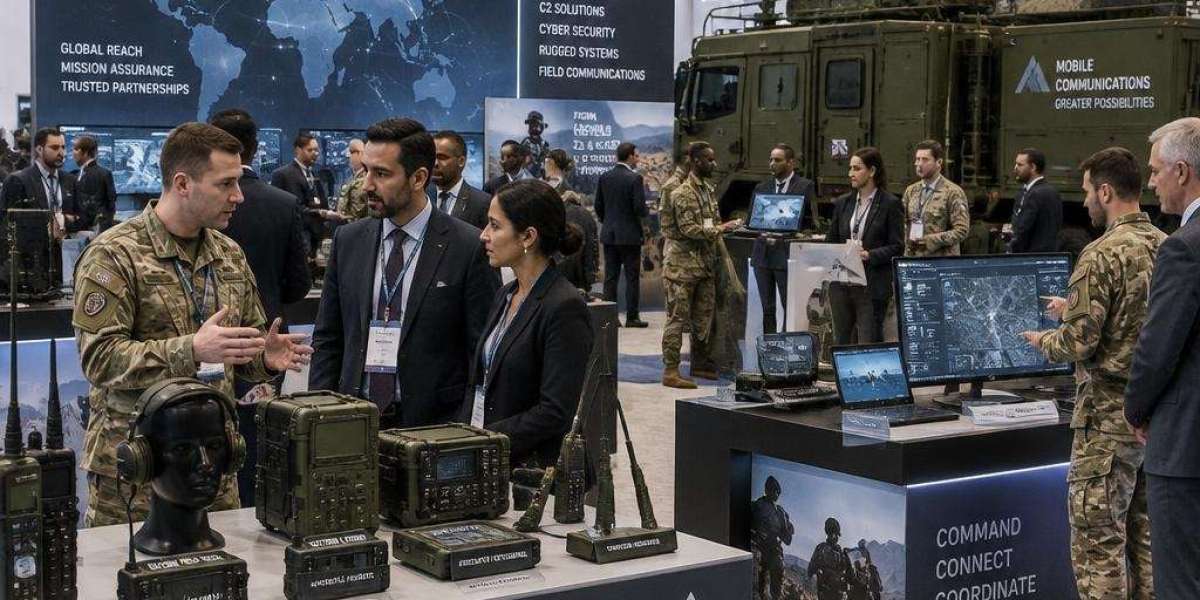

Communication infrastructure is a fundamental component of modern defense organizations. Reliable information exchange helps personnel maintain organizational coordination, manage responsibilities, and support efficient decision-making. The Military Communication Market addresses these requirements through specialized communication technologies designed for demanding operational environments. As digital transformation influences defense infrastructure, communication equipment manufacturers are focusing on developing adaptable solutions that support connectivity, information security, and dependable performance.
The growing importance of secure military communication systems reflects the need for protected information exchange across defense organizations. These systems support authorized communication between personnel, administrative departments, and operational facilities. Modern communication solutions emphasize information protection, equipment compatibility, and reliable connectivity while addressing the evolving requirements of defense institutions.
Importance of Reliable Defense Communication
Defense organizations require dependable communication infrastructure to manage administrative responsibilities and organizational activities. Effective information exchange helps different departments maintain coordination and ensures that relevant instructions reach authorized personnel.
Reliable communication systems also contribute to improved organizational efficiency by reducing communication-related misunderstandings. Digital communication platforms can help departments organize information and maintain consistent communication practices.
Equipment developers must consider user requirements, environmental conditions, and long-term maintenance needs when designing communication solutions.
Digital Transformation in Defense Infrastructure
Digital technologies are changing traditional approaches to communication management. Defense organizations can benefit from integrated platforms that simplify information exchange and improve accessibility for authorized users.
Digital communication solutions support organized documentation, efficient information management, and collaboration between different departments. These capabilities can contribute to more consistent administrative processes.
Manufacturers are also exploring adaptable communication interfaces that support integration with existing organizational technologies. Such developments create opportunities for gradual infrastructure modernization.
Information Security and Data Protection
Information security remains an essential consideration within defense communication environments. Organizations require appropriate safeguards to protect sensitive information and prevent unauthorized access.
Communication platforms must incorporate responsible information management practices and suitable access controls. Regular assessments can help organizations evaluate system reliability and identify areas requiring maintenance or improvement.
Workforce awareness also contributes to information protection. Personnel must understand organizational communication policies and their responsibilities when handling sensitive information.
Equipment Reliability and Maintenance
Communication equipment must provide dependable functionality throughout its operating lifecycle. Proper maintenance helps organizations preserve equipment performance and identify technical concerns.
Manufacturers are focusing on equipment durability, maintenance accessibility, and reliable component design. Adaptable equipment configurations can support changing organizational requirements without unnecessary infrastructure replacement.
Technical support services also contribute to communication equipment management by helping organizations address maintenance needs and understand system functionality.
Growing Importance of Interoperability
Defense organizations often use communication technologies from different equipment providers. Compatibility between these technologies is important for maintaining organized information exchange.
Interoperable communication platforms can support integration with existing infrastructure while reducing unnecessary administrative complexity. Equipment developers must consider technical compatibility and established communication standards during product development.
Collaboration between technology providers and organizations can encourage the development of communication solutions that address practical requirements.
Future Outlook of the Military Communication Market
The Military Communication Market will continue evolving alongside developments in digital infrastructure, information management, and communication engineering. Manufacturers are exploring opportunities to improve equipment accessibility, reliability, and integration capabilities.
Responsible technology adoption will remain important as defense organizations modernize their communication infrastructure. Organizations must evaluate system compatibility, workforce requirements, information protection, and long-term maintenance considerations.
Future communication solutions are likely to emphasize adaptable designs that support different organizational environments. By combining dependable engineering practices with responsible information management, communication technology providers can contribute to the continued modernization of defense infrastructure.
FAQs
What is military communication technology?
Military communication technology refers to specialized systems that support authorized information exchange, organizational connectivity, and communication management within defense institutions.
Why is information security important in military communication?
Information security helps protect sensitive information, maintain authorized access, and preserve the integrity of organizational communication systems.