
Searching for a neurologist near me usually begins when something does not feel right, whether it is a recurring headache, unexplained dizziness, frequent numbness, memory problems or a seizure. However, choosing the right specialist involves more than finding the nearest clinic. You need a neurologist who understands your symptoms, can identify their underlying cause and recommends an appropriate treatment plan.
If you are looking for a neurologist in Delhi, understanding what to check before booking an appointment can help you make a more informed decision.
1. Understand When You Should Consult a Neurologist
A neurologist is a medical specialist who diagnoses and manages conditions affecting the brain, spinal cord and nervous system. Many symptoms that initially seem unrelated may require neurological evaluation.
You should consider consulting a neurologist if you experience:
- Frequent or persistent headaches and migraines.
- Repeated seizures or episodes of unexplained loss of awareness.
- Tingling, numbness or weakness in the arms or legs.
- Difficulty maintaining balance or coordinating movements.
- Tremors, muscle stiffness or involuntary movements.
- Memory difficulties or changes in cognitive function.
- Persistent dizziness or unexplained neurological symptoms.
Recognising these symptoms early can help identify conditions that may benefit from timely medical attention.
2. Look for Experience Relevant to Your Symptoms
Not every neurological condition requires the same expertise. For example, someone experiencing repeated seizures may benefit from consulting an epilepsy specialist, while someone struggling with recurring headaches may need a neurologist experienced in headache and migraine management.
When comparing specialists, consider their qualifications, clinical experience and areas of expertise.
Patients looking for the best neurologist in Delhi should also check whether the doctor has experience managing complex neurological conditions and uses appropriate diagnostic methods to guide treatment.
3. Check the Diagnostic Facilities Available
Accurate diagnosis is an important part of neurological care. Depending on your symptoms, a neurologist may recommend additional investigations to understand what is happening within the nervous system.
Some commonly used diagnostic tests include:
- EEG: Records electrical activity in the brain and helps evaluate suspected seizure disorders.
- Video EEG Monitoring: Combines brain activity recording with video to assess seizure-related events.
- MRI and Brain Imaging: Help identify structural changes or abnormalities in the brain.
- Nerve Conduction Studies: Evaluate how electrical signals travel through peripheral nerves.
Not every patient needs all these tests. The neurologist decides which investigations are appropriate after reviewing the symptoms and medical history.
4. Choose a Specialist According to Your Specific Condition
Different neurological symptoms require different approaches to diagnosis and management.
For example:
Recurring Headaches and Migraines: Frequent headaches, severe migraine attacks and headaches affecting daily activities should be evaluated. Patients seeking migraine treatment in Delhi should look for a specialist who can assess headache patterns, possible triggers and suitable treatment options.
Seizures and Epilepsy: Repeated seizures, unusual episodes of awareness or unexplained movements require proper neurological assessment. An experienced epilepsy specialist in Delhi can evaluate seizure patterns and determine whether EEG or video EEG monitoring is necessary. Appropriate epilepsy diagnosis and management may help guide long-term treatment.
Sudden Weakness or Speech Difficulties: Sudden facial drooping, weakness on one side of the body, difficulty speaking or sudden vision changes may indicate a stroke. These symptoms require immediate emergency medical attention. Do not wait for a routine neurologist appointment. Timely stroke treatment in Delhi can be critical.
5. Review the Doctor's Approach to Patient Care
A good neurological consultation should involve more than prescribing medication. The doctor should understand your medical history, ask about the frequency and duration of symptoms, review previous reports and explain the possible causes.
Before choosing a specialist, consider whether the consultation includes:
- A detailed discussion of your symptoms.
- Review of previous medical reports and medications.
- A neurological examination where appropriate.
- Clear explanations of recommended investigations.
- A treatment and follow-up plan based on your condition.
Good communication helps patients understand their diagnosis and participate more confidently in treatment decisions.
6. Consider Dr. Seema Shahi for Neurological Consultation
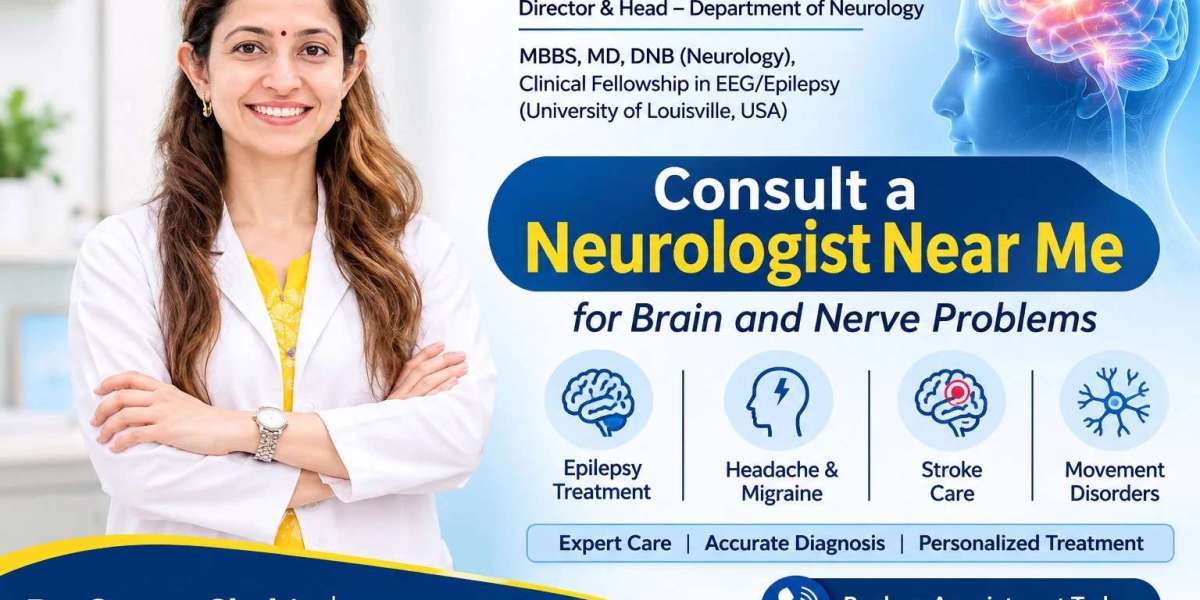
For individuals searching for a neurologist near me in Delhi, Dr. Seema Shahi is a neurologist and epileptologist associated with Pacific OneHealth.
With over 15 years of experience in neurology, her areas of expertise include epilepsy, clinical neurophysiology, advanced EEG and the management of complex neurological conditions. She has also received specialised fellowship training in EEG and Epilepsy at the University of Louisville, Kentucky, USA.
Her clinical interests include drug-resistant epilepsy, epilepsy monitoring, video EEG and pre-surgical evaluation. Her approach focuses on detailed assessment, evidence-based treatment and individual patient needs.
You can explore Dr. Seema Shahi's neurological services to understand the available areas of neurological care.
7. Prepare Before Your First Neurology Appointment
A little preparation can make your consultation more productive. Before visiting the neurologist, keep the following information ready:
- A list of symptoms and when they first appeared.
- Details about how frequently symptoms occur.
- Previous prescriptions, medical reports and investigation results.
- Information about current medications.
- Relevant family medical history.
If you experience episodes such as seizures, dizziness or headaches, maintaining a symptom diary may also help the doctor understand their frequency and pattern.
Frequently Asked Questions
When should I search for a neurologist near me?
You should consider consulting a neurologist when you experience recurring headaches, seizures, unexplained numbness, tremors, balance difficulties or other persistent symptoms involving the nervous system.
How do I choose the right neurologist?
Check the doctor's qualifications, relevant clinical experience, areas of expertise, diagnostic approach and communication with patients. Choose someone whose experience matches your symptoms.
Do I need an EEG before visiting a neurologist?
No. An EEG is recommended only when clinically indicated, particularly when evaluating suspected seizures or certain other neurological conditions. The neurologist will decide whether the test is necessary.
Can a neurologist treat migraines and epilepsy?
Yes. Neurologists diagnose and manage both conditions. Some specialists also have advanced training in epilepsy or headache disorders.
Conclusion
Finding the right neurologist near me is about choosing appropriate medical expertise rather than simply selecting the closest clinic. Understanding your symptoms, checking the specialist's experience and preparing for your consultation can help you take the right steps towards neurological care.
For patients exploring neurological consultation in Delhi, Dr. Seema Shahi offers experience in general neurology, epilepsy management and advanced neurodiagnostic evaluation. Seeking professional advice at the right time can help you understand your symptoms and make informed decisions about your treatment.