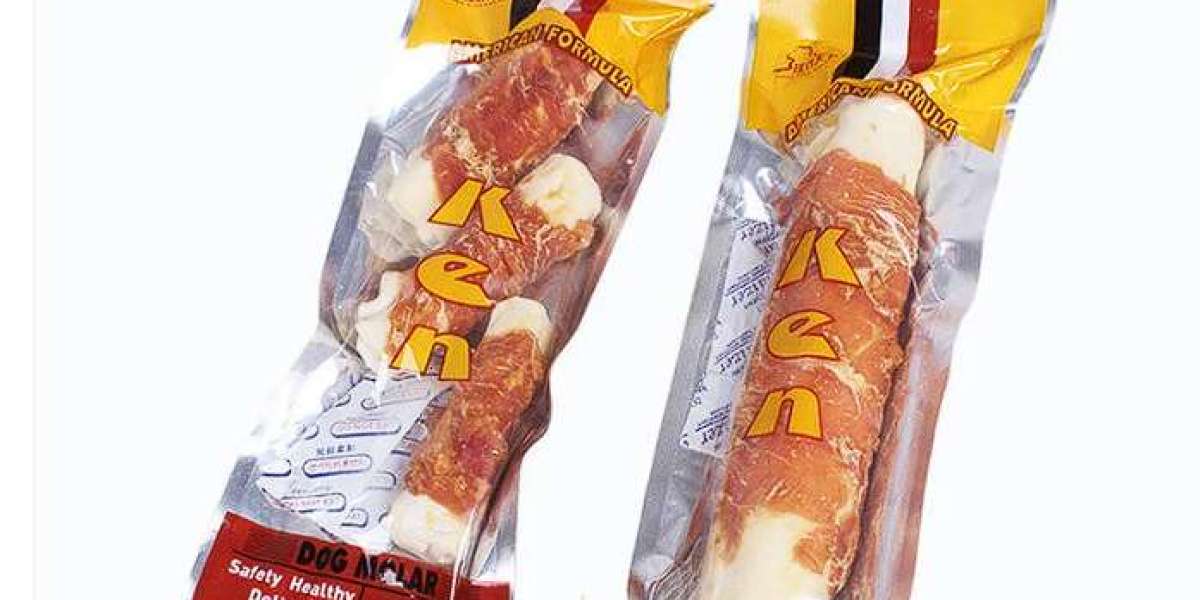

Pet snacks offer an additional way to reward pets and add variety to their daily routines. Available in different flavours, textures, shapes, and ingredients, pet treats are designed for different animal types and preferences. From crunchy biscuits and soft treats to chew snacks, training rewards, and specialty treats, different options serve different purposes. Explore the Pet Snacks range to discover different pet snack styles and treat options.
What Are Pet Snacks?
Pet snacks are specially prepared food products offered to pets alongside their regular meals. They are available in different forms, including crunchy biscuits, soft treats, dried snacks, chew products, and small training rewards.
Different snacks are formulated for specific animals, such as dogs, cats, birds, rabbits, and other small pets. Their ingredients, textures, and nutritional compositions vary according to the intended animal.
Some treats are designed for training and rewards, while others provide different chewing textures or feeding experiences. Certain products also come in convenient packaging for storage and portioning.
Pet snacks should complement a suitable everyday diet rather than replace nutritionally complete pet food. Selecting appropriate treats requires considering the animal species, age, dietary requirements, ingredients, and recommended serving amounts.
Key Features & Benefits of Pet Snacks
Different Flavours: Available in various flavours and ingredient combinations.
Multiple Textures: Options include crunchy, soft, chewy, and dried snacks.
Training Rewards: Small treats can be used during positive training activities.
Different Pet Types: Products are available for different animal species.
Convenient Packaging: Various package sizes support storage and portioning.
Treat Variety: Different shapes and textures provide multiple snack options.
Chewing Options: Suitable products offer different chewing experiences.
Easy Portioning: Many treats are available in individual or small-piece formats.
Specialty Formulas: Some products are designed for particular dietary requirements.
Everyday Rewards: Suitable treats can be offered occasionally as part of a routine.
Ingredient Choices: Products may contain different proteins, grains, and other ingredients.
Storage Options: Sealed packaging helps maintain product freshness when stored correctly.
Different Types of Pet Snacks
Crunchy Pet Treats: Crunchy snacks include biscuits, small bites, and other firm treats. They are available in different shapes and flavours for suitable pet species.
Soft Pet Treats: Soft treats have a more flexible texture and are available in different sizes. They can be convenient for portioning during reward activities.
Dog Training Treats: Training treats are generally available in smaller portions that are convenient to offer during training sessions. Choose products appropriate for the dog's size and dietary needs.
Cat Treats: Cat snacks include crunchy bites, soft treats, and other specially formulated options. Select products designed for cats and suitable for their nutritional requirements.
Chew Treats: Chew products are available in different shapes and textures for appropriate animals. Always consider the animal's size, chewing habits, and product safety recommendations.
Dried Pet Snacks: Dried treats are available in different ingredient combinations and packaging styles. Check storage instructions and nutritional information before use.
Bird Treats: Bird snacks include suitable seed-based and other species-specific treat options. Their ingredients should match the dietary requirements of the particular bird species.
Small Animal Treats: Rabbits, guinea pigs, and other small pets require species-appropriate treats. Product selection should account for their individual dietary requirements.
Fish Treats: Aquarium fish treats include suitable food products such as freeze-dried or specially formulated treats. Choose products according to fish species and feeding requirements.
Specialty Pet Treats: Some snacks are developed for particular dietary preferences or feeding requirements. Review the ingredient list and product information before choosing them.
Everyday Uses for Pet Snacks
Pet snacks can be included in everyday pet routines as occasional rewards and additional feeding options. Small treats are commonly used during positive training activities to reward desired behaviour.
For dogs, suitable training treats can help make learning activities more engaging. Smaller portions are often convenient when rewards are offered repeatedly during a session.
Cat treats can be offered as occasional rewards or during interactive activities. Different textures and flavours provide variety while allowing owners to consider individual food preferences.
Birds and small animals also have species-specific treat options. However, their regular diets should remain appropriate for their nutritional needs, with snacks offered in suitable quantities.
Some pet owners use treats during bonding and interactive play. Regardless of the animal, snacks should be offered carefully and should not replace a balanced everyday diet.
How to Choose the Right Pet Snacks
Consider these factors when comparing different pet snacks:
Animal Species: Choose snacks specifically formulated for the intended pet.
Age: Consider age-related feeding requirements and product recommendations.
Ingredients: Review ingredient lists and nutritional information carefully.
Texture: Compare crunchy, soft, chewy, and dried options.
Treat Size: Select portions suitable for the animal's size.
Dietary Requirements: Consider food sensitivities and any dietary restrictions.
Nutritional Content: Review calories, protein, fat, and other listed nutrients.
Product Purpose: Decide whether the snack is intended for training, occasional rewards, or another suitable use.
Serving Instructions: Follow the manufacturer's recommended feeding amounts.
Packaging: Choose packaging that protects treats during storage.
Freshness: Check expiry dates and product condition.
Storage: Review storage requirements after opening.
Safety: Avoid ingredients that are unsuitable or harmful to the intended animal.
Veterinary Guidance: Seek professional advice when dietary requirements or food sensitivities are uncertain.
When shopping online, review product descriptions, ingredients, nutritional details, intended animal types, and feeding instructions. These details help determine whether a particular snack is appropriate for your pet.
Pet Snacks Care and Storage
Proper storage helps maintain the quality and condition of pet snacks. Always follow the manufacturer's storage instructions and keep products in their original packaging whenever possible.
Store treats in a clean, dry place away from direct sunlight, excess moisture, and heat. Reseal opened packages properly to help maintain freshness.
Check product labels for expiry dates, storage temperatures, and instructions for use after opening. Avoid offering treats that show unusual changes in appearance, smell, or texture.
Keep different pet snacks separated and clearly identified. This helps prevent accidental feeding of products intended for another animal species.
Use clean hands or suitable feeding utensils when handling treats. Clean treat containers and feeding accessories regularly to maintain good food hygiene.
Pay attention to serving sizes and include treats within the animal's overall daily food intake. Treats should remain an appropriate addition to a balanced diet.
Explore Pet Snacks at Global Swanky
Choosing suitable pet snacks becomes easier when you compare ingredients, flavours, textures, package sizes, and feeding recommendations. From crunchy biscuits and soft treats to training rewards, dried snacks, and species-specific options, different products offer choices for various pet routines.
Explore the Pet Snacks range to discover available treat styles and pet food accessories. You can also visit Global Swanky to explore more pet accessories, outdoor products, and everyday essentials.
Frequently Asked Questions About Pet Snacks
What Are the Different Types of Pet Snacks?
Common types include crunchy biscuits, soft treats, training rewards, chew snacks, dried treats, bird treats, and species-specific snacks for different animals.
How Often Should I Give My Pet Snacks?
Treat frequency depends on the animal's species, size, dietary requirements, and overall food intake. Follow product feeding instructions and seek veterinary guidance when necessary.
Can All Pets Eat the Same Snacks?
No. Different animals have different nutritional requirements, and a treat suitable for one species may be unsuitable or harmful to another. Always select species-specific products.
How Should I Store Pet Snacks?
Store snacks according to the manufacturer's instructions. Keep packages sealed and place them in a clean, dry area away from direct sunlight and excess moisture.
How Do I Choose Suitable Snacks for My Pet?
Consider the animal's species, age, size, ingredients, dietary requirements, texture preferences, and recommended serving amounts before selecting pet snacks.