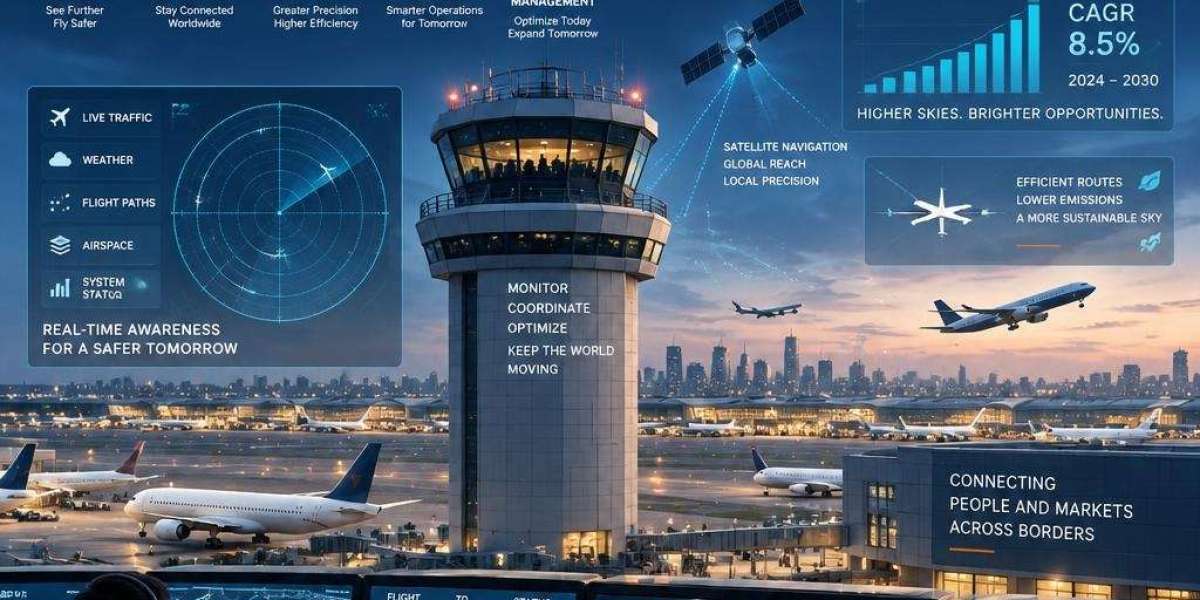

The development of modern aviation infrastructure creates commercial opportunities for technology providers, engineering organizations, communication equipment manufacturers, and professional service companies. Airport authorities and air navigation service providers require dependable solutions that address operational requirements and support institutional modernization. The Air Traffic Management Market represents a specialized commercial environment influenced by infrastructure investments, government procurement, technological development, and aviation industry requirements.
The increasing relevance of air traffic management infrastructure investments highlights the relationship between aviation modernization and commercial development. Organizations may invest in communication equipment, digital management platforms, professional training infrastructure, and authorized technology integration services. Companies participating in this market must evaluate customer requirements, regulatory obligations, financial resources, and long-term contractual responsibilities.
Growing Investment in Aviation Infrastructure
Aviation infrastructure investment plays an important role in supporting air transportation services and institutional modernization.
Government organizations and aviation authorities evaluate infrastructure requirements according to operational priorities and available financial resources.
Modernization initiatives may create opportunities for specialized manufacturers and professional technology providers.
Investment planning must consider equipment availability, workforce requirements, maintenance obligations, and regulatory compliance.
Transparent financial assessments help institutions understand long-term technology ownership responsibilities.
Responsible infrastructure investments can contribute to dependent aviation services and sustainable industrial development.
Opportunities for Aviation Software Companies
Digital modernization creates opportunities for software developers specializing in aviation management and institutional information platforms.
Technology providers may develop solutions supporting authorized documentation, administrative coordination, infrastructure management, and professional decision-making.
Software licensing and approved technical support arrangements can represent potential revenue sources.
Companies must evaluate customer expectations, software maintenance requirements, and information protection responsibilities.
Successful software development requires qualified professional expertise and comprehensive quality management procedures.
Dependable customer support can contribute to long-term relationships with aviation organizations.
Role of Government Procurement Programs
Government procurement represents an important commercial consideration within aviation infrastructure development.
Institutional customers may evaluate suppliers according to product reliability, professional qualifications, financial stability, and regulatory compliance.
Manufacturers must maintain accurate documentation demonstrating their organizational capabilities and product characteristics.
Procurement arrangements may involve extensive administrative evaluations and long-term contractual obligations.
Companies should understand applicable eligibility requirements before participating in authorized purchasing activities.
Responsible procurement practices contribute to institutional accountability and transparent public resource management.
Importance of Strategic Technology Partnerships
Strategic partnerships can encourage cooperation between aviation authorities, engineering organizations, software developers, and communication equipment manufacturers.
Organizations with complementary capabilities may collaborate on authorized infrastructure development projects.
Partnerships can support professional education, responsible knowledge sharing, and coordinated implementation planning.
Successful collaboration requires clearly defined contractual responsibilities and dependable communication.
Companies should evaluate potential partners according to relevant qualifications, technical expertise, financial stability, and regulatory compliance.
Responsible partnerships can contribute to sustainable commercial relationships and practical industry development.
Managing Commercial and Financial Challenges
Businesses participating in the Air Traffic Management Market may encounter challenges related to investment requirements, procurement timelines, technology compatibility, and regulatory obligations.
Companies must evaluate operating expenses and contractual responsibilities before accepting major infrastructure projects.
Long-term customer support and software maintenance can create additional financial commitments.
Effective business planning requires realistic revenue expectations, transparent accounting procedures, and comprehensive commercial assessments.
Qualified financial and legal professionals can support organizations in understanding potential risks.
Responsible financial management remains essential for sustainable market participation.
Emerging Opportunities in Professional Services
Professional services represent another area of commercial opportunity within aviation infrastructure development.
Businesses may offer authorized engineering consultation, software integration, professional education, maintenance documentation, and regulatory advisory services.
Successful service delivery requires qualified personnel, comprehensive documentation, and dependable customer assistance.
Companies should evaluate institutional requirements and establish transparent service agreements before undertaking specialized projects.
Investment in employee development can help organizations maintain relevant professional capabilities as aviation technologies evolve.
Future Outlook for Aviation Infrastructure Businesses
The Air Traffic Management Market offers opportunities for continued commercial development in digital infrastructure, communication technologies, professional services, and authorized aviation modernization projects.
Future investment strategies may emphasize adaptable software platforms, dependable technology integration, and long-term customer support.
Organizations considering market expansion must evaluate financial resources, workforce capabilities, regulatory obligations, and customer expectations.
Collaboration between manufacturers, aviation authorities, and technology providers can encourage practical infrastructure improvements.
Companies that prioritize product reliability, transparent business practices, and responsible innovation may establish stronger foundations for sustainable commercial development.
FAQs
What business opportunities exist in the Air Traffic Management Market?
Potential opportunities include aviation software development, communication equipment manufacturing, authorized technology integration, professional training, engineering consulting, and infrastructure maintenance services.
What factors influence air traffic management investments?
Infrastructure modernization, government procurement, aviation demand, technology development, operational requirements, and regulatory obligations influence investment decisions.