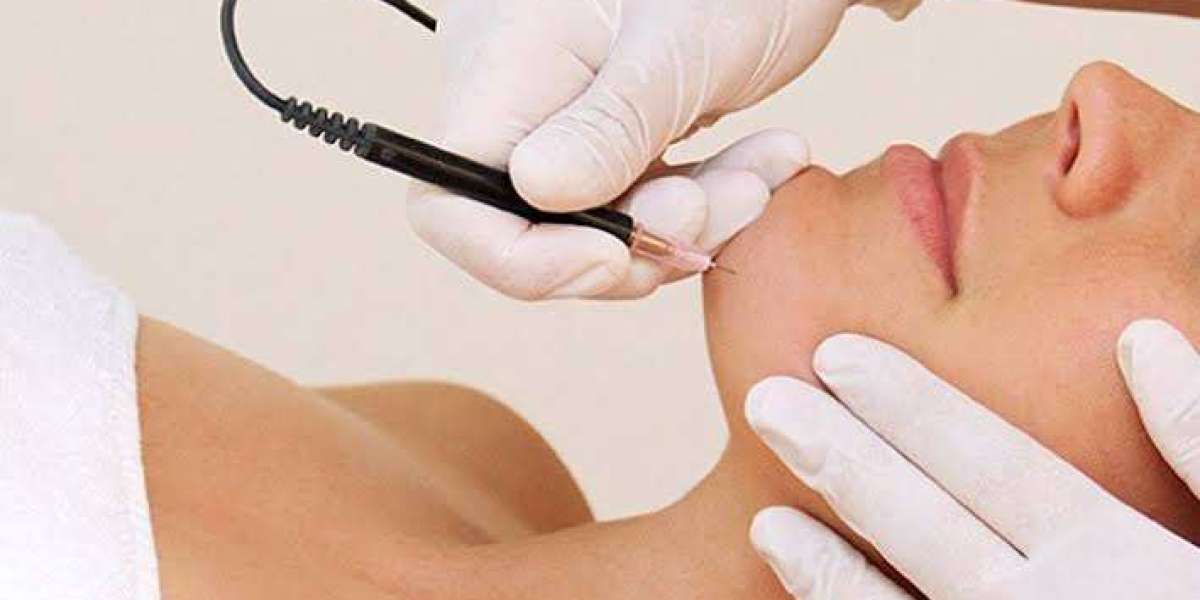

Choosing a clinic for electrolysis laser hair removal involves more than comparing treatment prices, equipment, or expected results. Hygiene and cleanliness are equally important factors because hair removal procedures involve direct contact with the skin and specialised equipment. Poor hygiene practices can increase the risk of skin irritation, infections, and other complications.
For individuals considering Electrolysis Laser Hair Removal in Islamabad, understanding clinic hygiene can help them make informed decisions. A professional clinic should follow appropriate sanitation procedures, maintain clean treatment rooms, use properly disinfected equipment, and ensure that practitioners follow safe hygiene practices throughout every session.
Why Hygiene Is Important During Hair Removal Treatments
Hair removal procedures may involve laser devices, electrolysis probes, and other instruments that come into contact with the skin. Depending on the treatment method, the skin may experience temporary redness, sensitivity, or minor irritation.
Maintaining proper hygiene helps minimise avoidable risks during these procedures. It also creates a safer and more comfortable environment for patients.
Some important reasons why clinic hygiene matters include:
Reducing infection risks: Properly sterilised or single-use instruments help prevent the transfer of harmful microorganisms.
Protecting sensitive skin: Clean treatment surfaces and suitable skincare products reduce unnecessary exposure to contaminants.
Supporting safe procedures: Hygiene protocols help practitioners maintain consistent standards during appointments.
Building patient confidence: A clean and organised clinic environment makes patients feel more comfortable discussing their treatment concerns.
Improving treatment experiences: Appropriate sanitation and preparation help reduce preventable complications.
Good hygiene does not guarantee perfect results, but it is an essential part of responsible aesthetic care.
How Unclean Equipment Can Affect Your Skin
Electrolysis and laser hair removal use different technologies, but both require careful equipment handling.
Electrolysis involves inserting a fine probe into individual hair follicles to disable their growth. Since this process involves direct contact with the follicle, using a sterile, single-use probe for each patient is particularly important.
Laser hair removal uses concentrated light energy to target hair follicles. Although the laser handpiece does not usually penetrate the skin, it still requires appropriate cleaning and disinfection according to the manufacturer's instructions.
Improper equipment handling may contribute to:
Skin irritation and inflammation.
Increased risk of bacterial contamination.
Unnecessary discomfort during treatment.
Cross-contamination between patients.
Delayed skin recovery in some circumstances.
Patients should feel comfortable asking how equipment is cleaned, disinfected, or sterilised before beginning their sessions.
Essential Hygiene Standards Every Hair Removal Clinic Should Follow
A professional hair removal clinic should maintain clear hygiene procedures rather than relying only on the appearance of its treatment rooms.
Here are some important standards patients should look for:
Clean and Disinfected Treatment Rooms
Treatment rooms should be cleaned regularly, with treatment surfaces disinfected between appointments. Beds, handles, workstations, and frequently touched equipment should receive appropriate attention.
A well-maintained treatment room should have:
Fresh disposable bed coverings where appropriate.
Clean floors and organised workstations.
Proper waste disposal facilities.
Adequate ventilation and lighting.
Clean towels and other reusable materials.
Sterilised and Single-Use Instruments
Electrolysis requires particularly careful instrument management because probes come into direct contact with the skin.
Patients should check whether:
A new, sterile, single-use probe is opened for every treatment.
Reusable instruments are sterilised using appropriate validated procedures.
Disposable materials are discarded after use.
Equipment is stored in a clean and protected environment.
These practices help reduce the possibility of cross-contamination.
Practitioner Hygiene and Personal Protection
The hygiene practices of treatment professionals are just as important as equipment cleanliness.
Practitioners should wash or sanitise their hands before and after patient contact. They should also use appropriate gloves when required and change them between patients.
Other important practices include wearing clean professional clothing, maintaining personal hygiene, and avoiding unnecessary contact with treatment areas.
What Patients Should Check Before Booking an Appointment
Before choosing a clinic for electrolysis laser hair removal, patients should evaluate its cleanliness and safety standards.
Rather than making a decision based entirely on promotional offers, consider the following points:
Observe the environment: Check whether the reception area and treatment rooms appear clean and organised.
Ask about sterilisation: Understand how the clinic handles reusable instruments and disposable probes.
Check practitioner qualifications: Ask about the training and experience of the professional performing the procedure.
Discuss skin preparation: A practitioner should explain how the skin is assessed and prepared before treatment.
Review aftercare instructions: The clinic should provide clear guidance on post-treatment skincare and warning signs.
Ask about equipment maintenance: Laser devices should be maintained and used according to manufacturer guidelines.
These questions can help patients distinguish between clinics that prioritise patient safety and those that focus mainly on marketing.
Hygiene and Aftercare: Why Both Matter
Clinic hygiene is important before and during treatment, but proper aftercare also contributes to a safe recovery experience.
After electrolysis or laser hair removal, the treated skin may temporarily become sensitive. Patients should follow the instructions provided by their practitioner.
Common aftercare recommendations may include:
Avoiding excessive heat, saunas, and hot showers for the period advised by the practitioner.
Keeping the treated area clean.
Avoiding unnecessary touching or scratching.
Using recommended soothing skincare products.
Protecting exposed areas from direct sunlight.
Avoiding harsh exfoliating products until the skin has recovered.
Patients should contact their treatment provider if they experience worsening redness, increasing pain, pus, spreading warmth, or other signs that may indicate infection.
Choosing a Clinic for Electrolysis Laser Hair Removal in Islamabad
Finding a suitable clinic requires evaluating more than treatment availability. Patients should consider practitioner experience, equipment standards, hygiene procedures, consultation quality, and personalised treatment planning.
SKN Cosmetics in Islamabad is an option patients can explore when researching aesthetic and hair removal services. Before choosing any clinic, individuals should arrange a consultation to discuss their hair removal goals, skin type, treatment suitability, and safety concerns.
During the consultation, patients should ask about:
Hygiene and sterilisation protocols.
The difference between electrolysis and laser hair removal.
Equipment used for the procedure.
Expected treatment sessions and recovery.
Possible side effects and aftercare requirements.
A transparent consultation allows patients to understand the procedure and make decisions based on their individual needs. Remember that the most suitable clinic is one that prioritises patient safety, professional care, and realistic treatment expectations rather than making exaggerated promises.
Final Thoughts
Clinic hygiene is a fundamental part of safe electrolysis and laser hair removal. Clean treatment rooms, properly sterilised instruments, single-use electrolysis probes, and responsible practitioner practices help minimise preventable risks.
Patients in Islamabad should take time to evaluate hygiene standards before booking an appointment. Asking the right questions and understanding treatment procedures can help create a more informed and comfortable hair removal experience.
Frequently Asked Questions (FAQs)
Q1. Why is hygiene important for electrolysis laser hair removal?
Hygiene helps reduce contamination risks, prevent infections, and support safer treatment sessions.
Q2. Should electrolysis probes be reused?
No. Electrolysis probes should be sterile and single-use for every patient.
Q3. How often should laser equipment be cleaned?
Laser equipment should be cleaned and disinfected according to manufacturer guidelines and between patients where required.
Q4. Can poor clinic hygiene cause skin infections?
Yes. Improperly handled instruments and contaminated surfaces can increase infection risks.
Q5. What should I check before choosing a hair removal clinic?
Check treatment room cleanliness, equipment sterilisation, practitioner qualifications, and hygiene procedures.