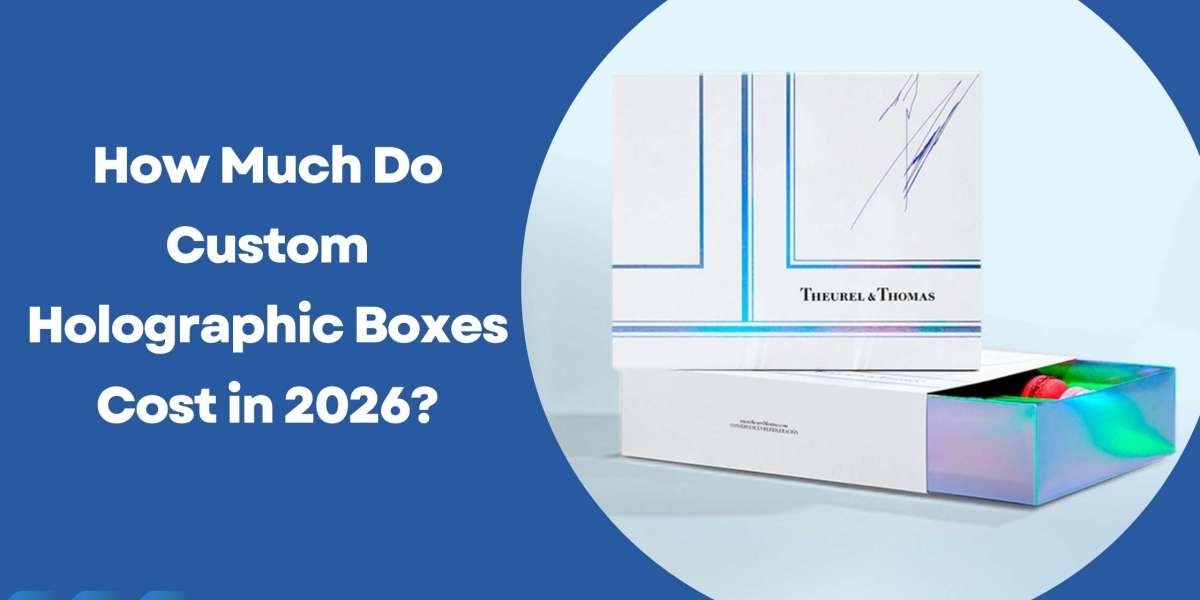

In 2026, custom holographic boxes continue to be one of the most visually striking and effective packaging solutions for brands aiming to stand out. Whether you’re launching a premium product, limited-edition release, or high-end gift item, holographic packaging adds a luxurious shimmer that captures attention and elevates perceived value.
But one question most brands ask before designing custom holographic boxes is: How much will they cost? Let’s break down what affects pricing, typical ranges you might expect, and tips on managing costs without compromising quality.
What Are Custom Holographic Boxes?
Custom holographic boxes are packaging solutions enhanced with holographic effects. These effects may include:
Holographic foil stamping
Holographic film lamination
Iridescent or rainbow sheen finishes
3D holographic print effects
The holographic surface interacts with light, producing eye-catching visual movement that makes products pop on shelves or in eCommerce imagery.
Because holographic effects involve additional materials and processing steps, pricing is typically higher than standard printed packaging.
Key Factors That Influence Custom Holographic Box Costs
1. Box Style & Structural Complexity
The type of box you choose has a big impact on price.
Standard folding cartons: Lower cost
Rigid or premium boxes: Higher cost
Specialty shapes / custom dielines: Add to tooling fees
More complex box structures require additional setup and production work, increasing overall cost.
2. Holographic Finish Type
Different holographic effects vary in price depending on how they’re applied:
Holographic Film Lamination: Entire box covered with a holographic film — premium price
Holographic Foil Stamping: Selective holographic highlights — moderately priced
Holographic Spot UV or Varnish: Lower cost accent effects
The more surface area you cover and the more intricate the design, the more the cost increases.
3. Material Selection
Box material significantly influences price:
Standard Paperboard: Most affordable
Kraft or Recycled Material: Slightly higher
Rigid / Specialty Boards: Premium pricing
Heavier and more durable materials also increase shipping costs.
4. Printing & Artwork
Full-color printing with holographic effects is more expensive than simple, one- or two-color printing.
Advanced printing adds value, but more colors and special effects contribute to higher costs.
5. Order Quantity
As with most custom packaging, quantity heavily affects price:
Small runs: Highest per-unit cost
Mid-size runs: Moderate per-unit cost
Large wholesale orders: Lowest per-unit cost
Buying in bulk can significantly reduce the average cost per box.
6. Finishing Options
Additional finishes add visual appeal—but also cost. Popular enhancements include:
Embossing / Debossing
Spot UV Gloss
Soft-Touch or Matte Lamination
Die-Cut Windows
Each finish adds production steps and material costs.
Typical Cost Ranges for 2026 (Estimated Per Unit)
Note: These are approximate ranges based on market trends; actual quotes may vary by supplier, region, and specifications.
| Box Type | Estimated Per-Unit Cost | Notes |
|---|---|---|
| Standard Folding Carton w/ Holographic Film | $1.80–$4.50 | Best for lightweight products |
| Holographic Box w/ Foil Stamping | $2.50–$6.00 | Great balance of premium and cost |
| Rigid Holographic Box | $6.00–$15.00+ | Luxury packaging for high-end products |
| Specialty Shapes / Custom Dielines | $4.00–$10.00+ | Depends on complexity |
Factors such as supplier minimums, material availability, and printing complexity can push costs higher or lower.
How to Manage Custom Holographic Box Costs
Even with premium effects, there are ways to optimize your budget:
• Choose Selective Holographic Accents
Instead of full coverage, consider holographic highlights on logos or key panels.
• Increase Order Quantity
Economies of scale lower per-unit cost significantly.
• Use Strategic Material Choices
Combine standard paperboard with selective holographic finishes to balance durability and cost.
• Simplify Structural Design
Standard box styles are cheaper than complex shapes or custom dielines.
• Plan Ahead
Rush orders often incur extra fees. Planning production timelines in advance keeps costs down.
Why Custom Holographic Boxes Are Worth the Investment
While custom holographic packaging can be more expensive than standard boxes, many brands find value in:
Enhanced Shelf Presence
Premium Perceived Value
Stronger Brand Recognition
Better Social Media Appeal
Higher Unboxing Experience Quality
These benefits often translate into increased sales and stronger customer affinity—making the investment worthwhile.
Final Thoughts
Custom holographic boxes in 2026 are a premium packaging option that adds visual impact and brand distinction. While costs are influenced by materials, finishes, structure, quantity, and printing choices, careful planning and smart design strategies can make holographic packaging both beautiful and cost-effective.
Whether you’re launching a new product line, promoting a limited edition, or reinforcing a luxury brand image, holographic packaging offers a unique way to capture attention and elevate your brand experience.