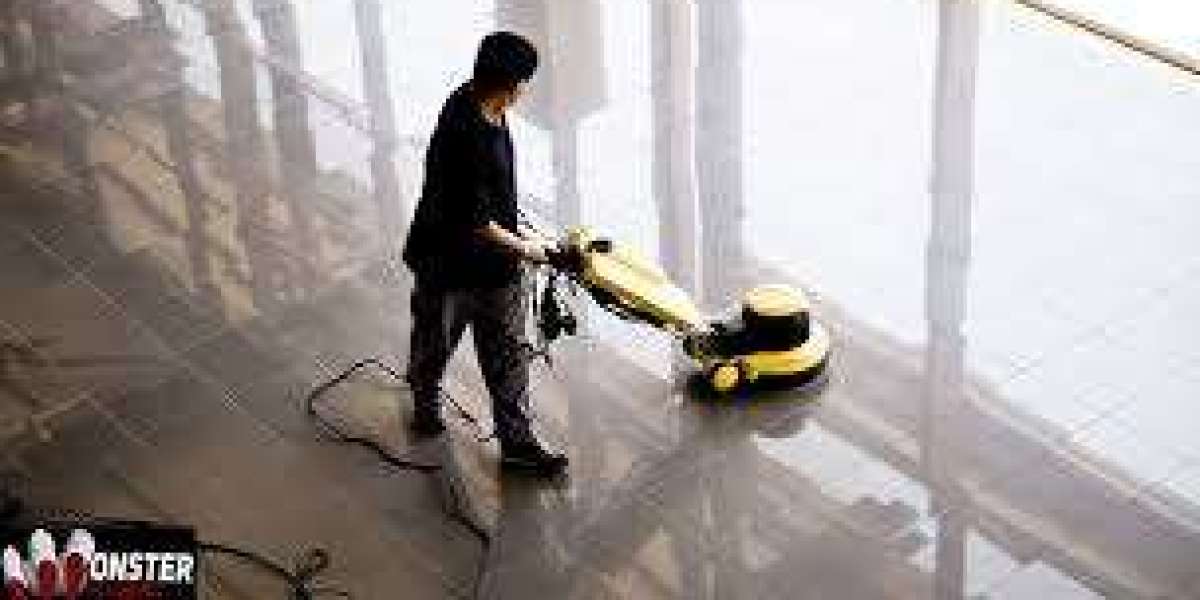

Which Floor Types Do Sydney Hard Floor Cleaners Handle? (Tile, Vinyl, Concrete, Stone, Timber)
Sydney hard floor cleaners expertly handle a variety of surfaces including tile, vinyl, concrete, stone, and timber, using specialized techniques like stripping, sealing, polishing, and restoration to maintain durability and appearance. They tackle common issues such as stains, grime buildup, and wear from foot traffic with tools like rotary machines, high-pressure cleaners, and eco-friendly products. Professionals ensure safe, effective results that extend floor life and improve hygiene.
This guide dives deep into each floor type, from common problems to pro cleaning methods. You'll find comparisons between materials, step-by-step processes, maintenance tips, and real-world examples. Whether you own a home or run a business, these insights help you choose the right care. We also cover benefits of hiring experts versus DIY, environmental factors, and costs. At the end, check our FAQs for quick answers to common questions.
Overview of Common Hard Floor Types
Hard floors add style and strength to spaces, but each type needs specific care. Sydney cleaners deal with diverse materials, drawing on years of experience to match methods to surfaces. Here's a breakdown of the main ones: tile, vinyl, concrete, stone, and timber.
1. Tile Floors: Ceramic and Porcelain
Tile floors, like ceramic or porcelain, shine in high-moisture areas such as kitchens and bathrooms. They resist water and stains well, but grout lines trap dirt over time, leading to discoloration or mold.
Cleaners address these by deep-cleaning grout with rotary scrubbers and sealants. They remove haze from new installs or restore shine on older tiles. Professionals spot issues like cracks early, preventing bigger repairs. Homeowners often need pros for tough stains, as DIY scrubbers lack the power.
2. Vinyl and Linoleum Floors
Vinyl and linoleum offer flexible, affordable options for busy spots. These resilient floors handle spills and traffic, but scuffs, yellowing, and wax buildup dull them.
Sydney experts strip old layers with safe chemicals, then apply fresh seals for a glossy finish. They use buffing pads to revive shine without damage. Challenges include avoiding harsh cleaners that strip protective coatings. Pros ensure even application, which DIY efforts often miss.
3. Concrete Floors: Sealed and Polished
Concrete provides a tough base for warehouses or modern homes. Sealed or polished versions resist dust, but unsealed ones absorb stains like oil or tire marks.
Cleaners test porosity first, then scrub with industrial machines and apply sealers. They handle post-construction dust, using HEPA vacuums for fine particles. Issues like etching from acids require restoration. Experts prevent slip risks by maintaining traction.
4. Stone Floors: Marble, Granite, Terrazzo, Limestone, Travertine, Sandstone
Natural stone like marble or granite adds elegance, but it's porous and prone to etching from acids or scratches. Terrazzo mixes durability with style, while limestone and travertine need gentle care.
Professionals polish with diamond pads and seal to block stains. They restore worn areas by honing surfaces smooth. Challenges include matching pH-balanced cleaners to avoid damage. Pros use material-specific methods for long-lasting results.
5. Timber and Wood Floors
Timber floors bring warmth, covering hardwoods like oak or engineered boards. They scratch easily and warp from moisture, needing careful handling.
Cleaners sand away marks, then apply polishes or oils. They deep-clean without excess water to prevent swelling. Issues like varnish fading require full refinishing. Experts minimize dust during work, a big plus over DIY.
Comparisons Between Floor Types
Choosing the right floor depends on your needs. Here's a table comparing key aspects:
Floor Type | Durability | Maintenance Ease | Cost to Clean | Best For |
Tile (Ceramic/Porcelain) | High – resists chips and water | Medium – grout needs attention | Low to medium | Kitchens, baths |
Vinyl/Linoleum | Medium – flexible but wears | Easy – wipe clean | Low | High-traffic areas |
Concrete (Sealed/Polished) | Very high – tough against impacts | Medium – seals prevent stains | Medium | Warehouses, garages |
Stone (Marble/Granite etc.) | High – but etches easily | Hard – requires sealing | Medium to high | Elegant spaces |
Timber/Wood | Medium – scratches show | Medium – avoid water | Medium | Living rooms |
Tile beats stone in durability for wet areas, but stone offers more luxury. Vinyl needs less upkeep than timber, which demands polishing to keep its glow. Concrete outlasts vinyl in industrial spots, but both handle traffic well. Pros help match types to your lifestyle, considering factors like pets or kids.
Step-by-Step Professional Cleaning Processes
Sydney cleaners follow structured steps for top results. Here's how they approach hard floors:
Assessment: Inspect the surface for damage, test materials, and plan methods.
Preparation: Clear areas, vacuum loose dirt, and protect nearby items.
Deep Cleaning: Use scrubbers or pressure washers to remove grime. For tile, focus on grout; for vinyl, strip old wax.
Treatment: Apply polishes, seals, or restoratives. Stone gets honed, timber sanded.
Finishing: Buff for shine, rinse residues, and dry thoroughly.
Inspection: Check for even results and touch up spots.
Benefits include longer floor life and better air quality from dust removal. DIY lacks pro tools, risking uneven seals or damage. Experts use eco-products for safety.
Maintenance Tips, Environmental Considerations, and Cost Factors
Keep floors pristine with these tips:
Sweep daily to remove grit that scratches surfaces.
Use pH-neutral cleaners; avoid acids on stone.
Seal porous types like concrete every 1-2 years.
Place mats at entries to trap dirt.
Go green with GECA-certified products that cut VOCs. Cleaners recycle waste and use low-water methods.
Costs vary: Basic tile clean starts at $100-200 per room, while stone restoration hits $300+. Factors include size, condition, and type. Pros offer quotes based on inspections.
Case Studies and Hypothetical Scenarios
In a busy warehouse, cleaners stripped tire marks from concrete, sealed it, and boosted safety. A home with faded timber got sanded and polished, reviving its look after years of wear.
Imagine post-renovation: Dust covers new tile. Pros vacuum with HEPA filters, scrub grout, and seal for protection. Or a restaurant with greasy vinyl: They strip buildup, buff, and apply non-slip finish to prevent falls.
These examples show how tailored care solves real problems.
Conclusion
Taking care of your hard floors properly makes a real difference — not just in how they look today, but in how long they last and how comfortable your space feels overall. From tackling stubborn grout on tiles to gently reviving the natural beauty of timber, the right professional approach saves time, prevents damage, and delivers results that regular cleaning simply can’t match.
With years of hands-on experience helping homes and businesses keep their floors in top shape, we’ve seen firsthand how a thorough clean and the right protection can transform a worn-out surface into something you’re proud to show off. Whether you’re dealing with everyday wear, post-renovation dust, or just want that fresh, polished finish, expert care is worth it.
If your floors could use some attention, reach out for a no-obligation quote — we’d be happy to take a look and share what would work best for your specific surfaces. In the meantime, keep up with those daily sweeps and gentle cleaners; small habits go a long way.
Your floors are a big part of your home or business — give them the attention they deserve.
FAQs
1. What types of hard floors can professionals clean?
Ans. Experts handle tile, vinyl, concrete, stone, and timber. They adapt methods to each, like polishing stone or sealing concrete, ensuring safe, thorough results.
2. How often should I clean my hard floors?
Ans. Clean high-traffic areas weekly, with pro deep cleans every 6-12 months. Factors like pets or spills speed up needs; regular care prevents buildup.
3. What's the difference between stripping and sealing?
Ans. Stripping removes old coatings with chemicals, while sealing applies new layers for protection. Stripping preps the surface; sealing guards against stains and wear.
4. Can timber floors be cleaned without damage?
Ans. Yes, pros use low-moisture methods and gentle sands to avoid warping. They apply oils that nourish wood, extending its life.
5. How do you remove stains from concrete?
Ans. Cleaners scrub with pH-balanced solutions and pressure wash. For oil, they use degreasers; sealing afterward prevents future marks.
6. Is vinyl cleaning pet-safe?
Ans. Pros choose non-toxic, eco-friendly products safe for pets. They rinse thoroughly to eliminate residues that could harm animals.
7. What is acid cleaning for hard floors?
Ans. It uses mild acids to etch and clean stone or concrete, removing mineral deposits. Pros test first to avoid damage on sensitive surfaces.
8. How long does floor sealing last?
Ans. Seals endure 1-3 years, depending on traffic. Reapply sooner in busy spots; maintenance extends it.
9. What's the best way to clean tile vs. stone?
Ans. Tile gets scrubbed with rotary tools; stone needs gentle polishing to prevent etching. Both benefit from sealing, but stone requires pH-neutral cleaners.
10. How much does hard floor cleaning cost?
Ans. Expect $2-5 per square meter for basics, up to $10 for restoration. Size, type, and condition affect prices; quotes help the budget.