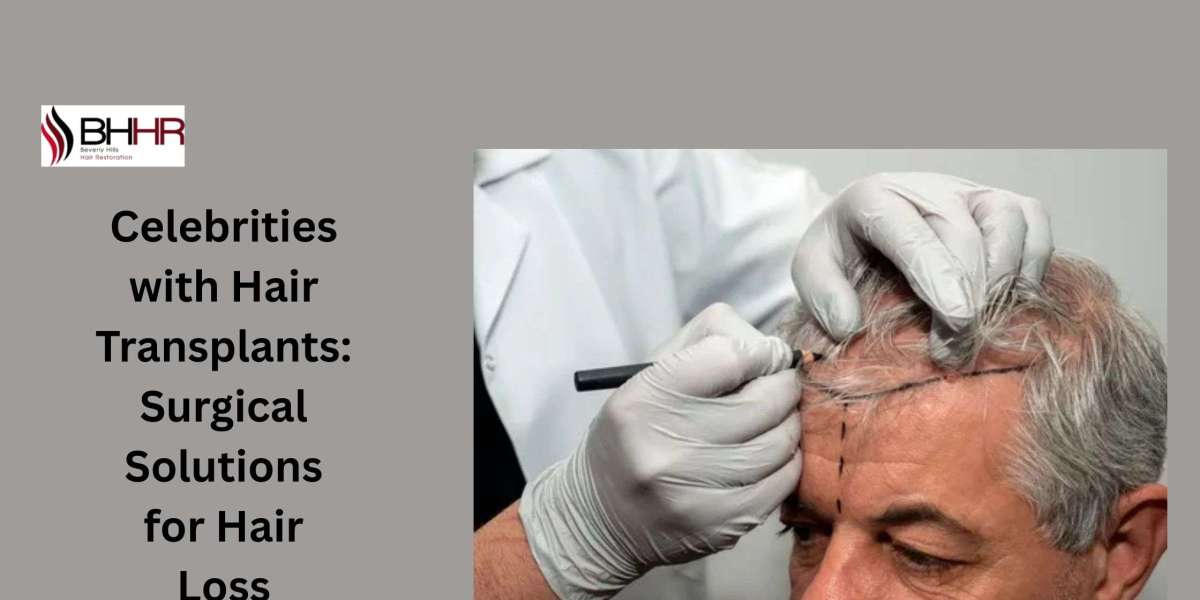

Hair loss affects individuals across all professions, including those constantly in the public eye. Over the years, advances in medical science have made hair restoration a reliable option for people seeking long-term solutions. The growing visibility of celebrities with hair transplants has helped normalize surgical hair restoration and shifted public perception from secrecy to informed decision-making. This article explores how surgical hair transplant procedures work, why public figures often choose them, and what patients can realistically expect from modern techniques.
Understanding Hair Loss in Public Figures
Hair loss is a medically recognized condition influenced by genetics, hormonal changes, age, stress, and lifestyle factors. Celebrities are not immune to these biological processes, despite access to premium skincare or grooming resources. In fact, constant styling, frequent product use, and on-camera stress may sometimes accelerate hair thinning.
Public figures often face added pressure to maintain a youthful appearance due to career demands. Hair thinning or receding hairlines can impact on-screen confidence, professional opportunities, and personal well-being. As a result, many explore medical interventions early, when hair loss is still manageable. Surgical solutions are often preferred because they address the root cause rather than offering temporary cosmetic coverage.
Why Surgical Hair Restoration Is Often Chosen
Non-surgical treatments such as topical solutions or oral medications may slow hair loss, but they rarely restore lost hair density. Surgical hair restoration, on the other hand, relocates healthy hair follicles from the donor side to the thinning and bald regions. This makes the results long-lasting and naturally integrated with existing hair.
For celebrities, discretion and predictability are essential. Surgical procedures provide controlled outcomes, minimal maintenance, and results that improve gradually over time. When performed correctly, transplanted hair grows just like natural hair, allowing normal styling, grooming, and professional appearance without ongoing concealment
Common Hair Transplant Techniques Explained
Modern hair transplantation primarily relies on two proven surgical methods: Follicular Unit Extraction (FUE) and Follicular Unit Transplantation (FUT). Both techniques are medically sound and selected based on individual needs rather than status or profession.
FUE involves extracting individual follicular units and implanting them into the recipient area. It leaves minimal scarring and allows for quicker recovery. FUT mainly removes a thin strip of scalp to harvest grafts, which may be suitable for patients requiring a higher graft count. Surgeons carefully design hairlines and graft placement to ensure symmetry, density, and natural direction of growth.
Natural Results and Long-Term Outcomes
One of the most common concerns surrounding hair transplantation is whether the results will look natural. Advances in surgical precision, microscopic graft handling, and customized hairline design have significantly improved outcomes. When performed by trained specialists, transplanted hair blends seamlessly with existing hair.
Transplanted follicles are typically resistant to the hormonal causes of hair loss, making them permanent. Over time, the hair grows, sheds, and regrows just like natural hair. This is one reason why discussions about celebrities with hair transplants have become more open—results are increasingly difficult to distinguish from untouched hair.
Recovery, Healing, and Post-Procedure Care
Recovery from a hair transplant is generally manageable and follows a predictable timeline. Mild swelling, redness, or scabbing may occur during the first few days. Most patients resume normal and best activities within a week, though strenuous exercise is temporarily avoided.
Post-procedure focuses care on scalp hygiene, sun protection, and following medical guidance to protect newly implanted follicles. Hair growth occurs gradually over several months, with visible improvement often seen between six and twelve months. This gradual transformation allows patients, including public figures, to maintain a natural presence throughout the process.
Expertise at BHHR in palm Desert
At BHHR in Palm desert, patients benefit from advanced surgical methods, personalized treatment planning, and experienced medical supervision in Palm Desert.The clinic emphasizes patient education, ethical care, and medically appropriate solutions tailored to individual hair loss patterns. By focusing on precision and safety, the clinic supports outcomes that prioritize natural appearance and long-term satisfaction rather than trends or unrealistic promises.
Making an Informed Decision About Hair Transplants
Surgical hair restoration is a medical decision that should be based on accurate information, professional consultation, and realistic expectations. While public figures have contributed to broader awareness, the core principles of successful hair transplantation apply to everyone.
Understanding candidacy, technique options, recovery timelines, and long-term care allows patients to approach treatment with confidence. As medical advancements continue, hair restoration remains a reliable solution for individuals seeking lasting improvement through scientifically supported surgical methods.