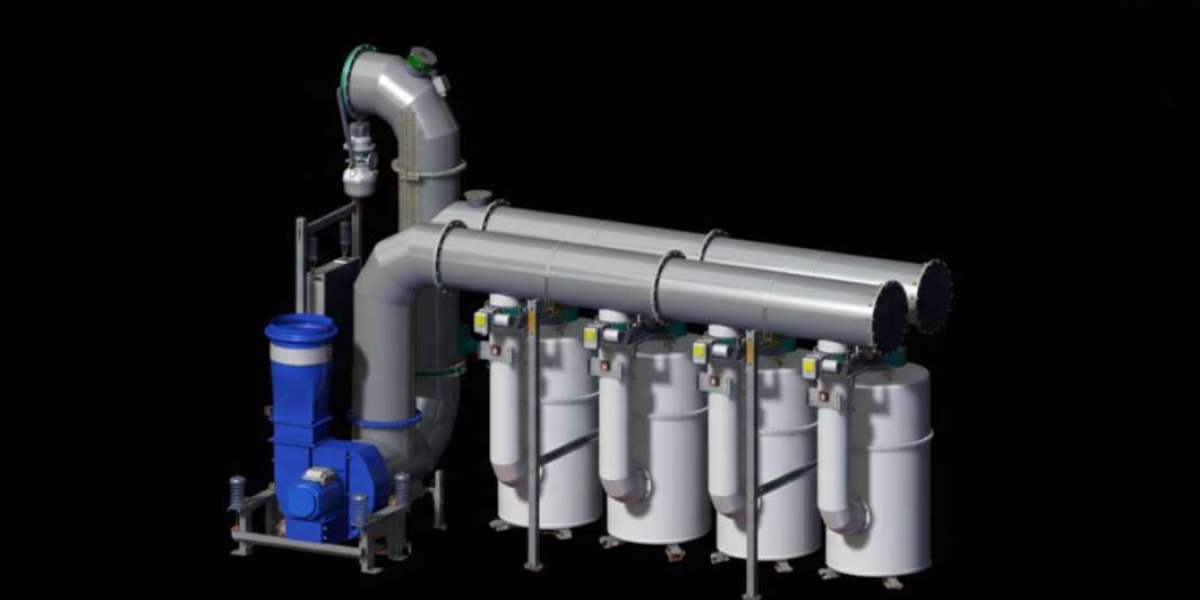

When you install an NBC filtration system, the first big question is not just how it works, but how often you should replace the filters. People worry that if they change too early, they waste money, and if they wait too long, the NBC filtration system will not protect them during a real emergency. This guide keeps it simple and explains how long filters last, what affects their life, and how to read your system so you never guess.
Why Filter Replacement Matters in an NBC Filtration System
An NBC filtration system is designed to clean dangerous air before it reaches you. Over time, dust, moisture, and chemical fumes fill the filters. When that happens, air cannot pass freely, and protection drops. In a CBRN filtration system, the filters are the heart of the unit. If they fail, the rest of the equipment—blower, ducts, even the safe room—cannot keep you safe.
Most studies and manufacturer guidelines show two very different lifetimes:
In normal, clean conditions, filters in an NBC filtration system can sit sealed for years.
In real contamination, the same filters can saturate in hours or days.
That is why there is no single fixed number for everyone. You need a clear routine plus a plan for emergency use.
Signs Your NBC Filtration System Filters Need Changing
Instead of counting only days or years, it’s better to watch for signs. Your NBC filtration system already gives several clues.
1. Drop in airflow
The blower is working, but less air comes through the vents. You may feel weaker flow in the safe room. The NBC control panel may show lower airflow values or a warning light. This usually means the dust and particle parts of the filter are clogged.
2. Pressure warnings
Most NBC/CBRN filtration systems run with positive pressure. If the pressure gauge on the NBC control panel drops and does not recover, even when the blower runs at full speed, it’s a strong hint that filters are blocked.
3. Smell or irritation
In a CBRN filtration system, the carbon section removes bad smells and gases. If occupants smell smoke, chemicals, or feel eye and throat irritation while the NBC filtration system is running, the carbon layer may be saturated.
Any of these signs mean you should plan a filter change as soon as it is safe.
Typical Replacement Intervals for CBRN Filtration Systems
Each brand is different, but there are common patterns you can use as a starting point:
Stored, sealed filters in a dry shelter: inspect yearly, replace around every 10 years, or according to the manufacturer.
Filters used only for short tests: change every 5–7 years.
Filters used during a long smoke or dust event: change after the event, even if the hours seem low.
Filters used in real chemical or biological incidents: always replace. Do not reuse.
For critical facilities, many safety officers keep a rule like “one full set of spare filters per NBC filtration system plus an extra set for drills.” This way, CBRN systems never run with questionable filters.
How NBC Detector and Control Panel Help with Timing
Modern CBRN filtration systems do not leave everything to guesswork. Devices like the NBC detector and NBC control panel give real-time information that helps you decide when it is time to change filters.
The NBC detector can sense certain gases or aerosols in the incoming or internal air. If you still see high readings inside even while the NBC filtration system is on, the filters may be saturated or bypassed.
The NBC control panel often shows fan speed, pressure, filter status lights, and sometimes operating hours. You can use these hours like a car uses mileage to schedule service.
By combining detector readings, panel data, and visual checks, you get a practical, safe schedule instead of a random guess.
Can You Extend Life by Cleaning Filters?
People sometimes ask if they can wash or blow out filters in an NBC filtration system. For CBRN use, the answer is no. Surface dust might leave, but the carbon that traps gases and the media that catches germs are not “cleanable.” Washing or blowing them only damages the structure and removes fine material that makes them effective. Once a CBRN filtration system filter has done its job in a real event, it should be replaced.
Stay Ahead of CBRN Filter Changes
There is no one single date for every NBC filtration system, but there are clear rules. In storage, filters for CBRN filtration systems can last many years with simple checks. During real contamination, they may only be good for a day or two. Watch airflow, pressure, smell, and data from your NBC detector and NBC control panel, and keep spare sets ready. With a simple schedule and regular checks, your NBC filtration system will be ready the moment you truly need it.