
What a Building's Facade Actually Does
When I was first drawn to the buildings, one of the things that struck was the exterior of the building. It is not just for show. It is a whole lot more than we give it credit for.
A building's facade is constructed as a protective shield for the building so it can shield the building from the rain, heat, dust, and anything else Mother Nature wants to throw at it. And it is the factor that gives the building its unique personality.
The facade industry is evolving rapidly. GMI Research anticipates the Facade Market will reach USD 285.5 billion by 2030. People want better building exteriors, and a lot of it.
Why Facades are Important
It is important to understand the purpose of a facade before choosing one.
Energy Efficiency
A well designed facade makes the best use of natural light. This kind of facade aids in keeping the interior spaces cool in summer and warm in winter. This translates into lower energy bills and less reliance on artificial heating and cooling.
Strength and Durability
Think of it as a shield. It takes the hit from rain, sunlight, and temperature changes so that the main structure is not exposed. This alone can greatly extend the life of the building.
Visual Appeal
Let’s be honest. Stunning facades enhance the aesthetics of a building and any area, it attracts attention, and can be a magnet for business.
Types of Facades You’ll See in Modern Buildings
There are many options. Each of the ones used in modern buildings has its pros and cons. Selecting for a building depends on what the building needs.
Lightweight Facade
This facade is the non-load bearing type. It is also regarded as non-structural.
Typically constructed of glass and metals, it enables large amounts of sunlight, quick construction, and modern aesthetics. This type can become expensive in maintenance and provides limited insulation.
Curtain Wall Facade
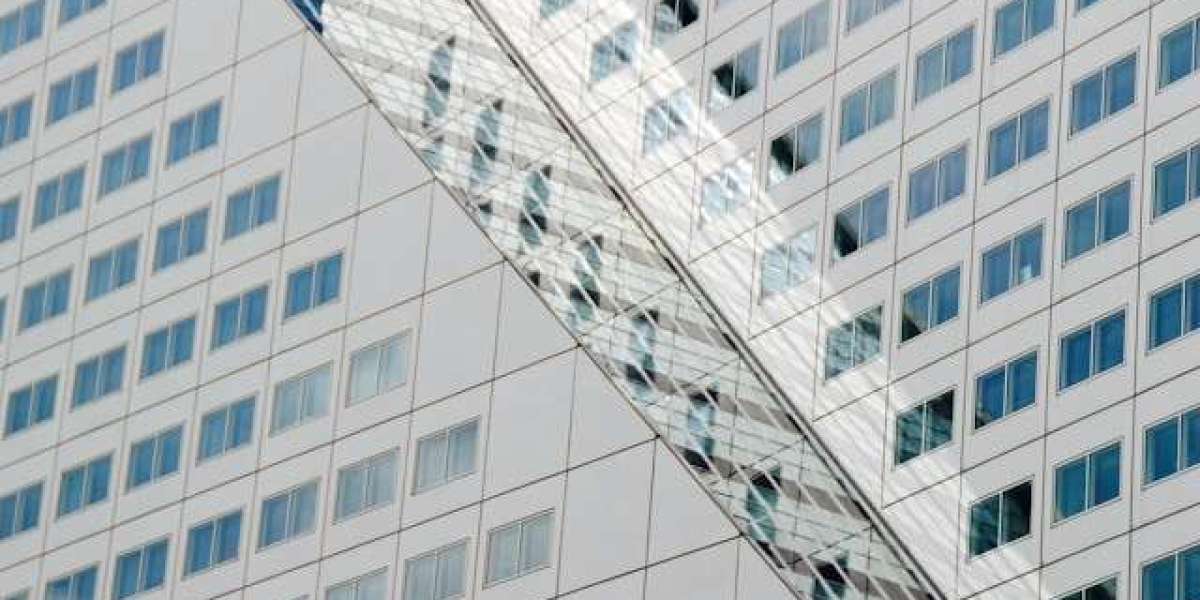
Most likely, you have experienced this in interior design of tall office buildings. A lot of glass, and a clean and modern design.
Although it does not provide structural support to the building, it does create an open and light-filled atmosphere, during the day, inside the building, in addition to the volume of glass throughout the building. The drawback of this, however, is managing heat.
Panel Facade
Design flexibility is the name of the game with this facade.
Panels can be custom-made for the design of the building and insulation, and sound-dampening can be custom fabricated to meet the design of the building. If any panel becomes damaged, only that affected panel needs to be repaired.
Heavyweight Facade
As the name suggests, this facade is solid and strong,
In addition, it can be integrated into the structure of the building. This type of facade can serve to respond to the impact of harsh weather conditions, and in addition, they provide sound insulation. This type of facade is the most commonly used in areas where there is a lot of traffic (people and vehicle movements) or adverse weather conditions.
Prefabricated Facade
These facade are designed and built off-site before being installed at the construction site.
This type of facade offers the potential for higher quality construction and a faster rate of installation at the construction site. However, in some cases, the transportation and logistical difficulty can extend the construction duration. In general, for large construction projects, this construction method has a high rate of construction efficiency.
Traditional Facade
Classic materials of brick and stone that never really go out of style, and cycle back into modern design.
More than a century of experience backs the endurance of strength of these facades. Sometimes describe as a clas-display these facades convey a feeling of timelessness and elegance that endures. Commonly and Historically employed in residential buildings, these facades provide a windows and a doors elegance and a heritage look.
Rainscreen Cladding
Of cladding systems, the rainscreen system is the most complicated. It is the most effective.
By design, the rainscreen system allows air circulation across a cavity that improves ventilation and moisture control. Vis a Vi moisture control, a rainscreen system is critical in torrential rain climates.
Clay Facades
Clay or terracotta facades have remain unchanged for centuries.
Modern manufacture has improved the weather resistance and maintenance requirements for the product. Detailing on sintered terracotta is exceedingly unlikely to weather to the point of requiring maintenance.
Modern Cladding
For facades, design has become more than an aesthetic surface.
Instead of simply stylish and decorative, the designs incorporate performance, functional systems and protection for the entire structure. Facades increase the service life of buildings, enhance performance and improve the aesthetics of a structure.
Today, a plethora of appropriate selections for a facade design. It is necessary to focus on balancing design and performance within appropriate boundaries.